
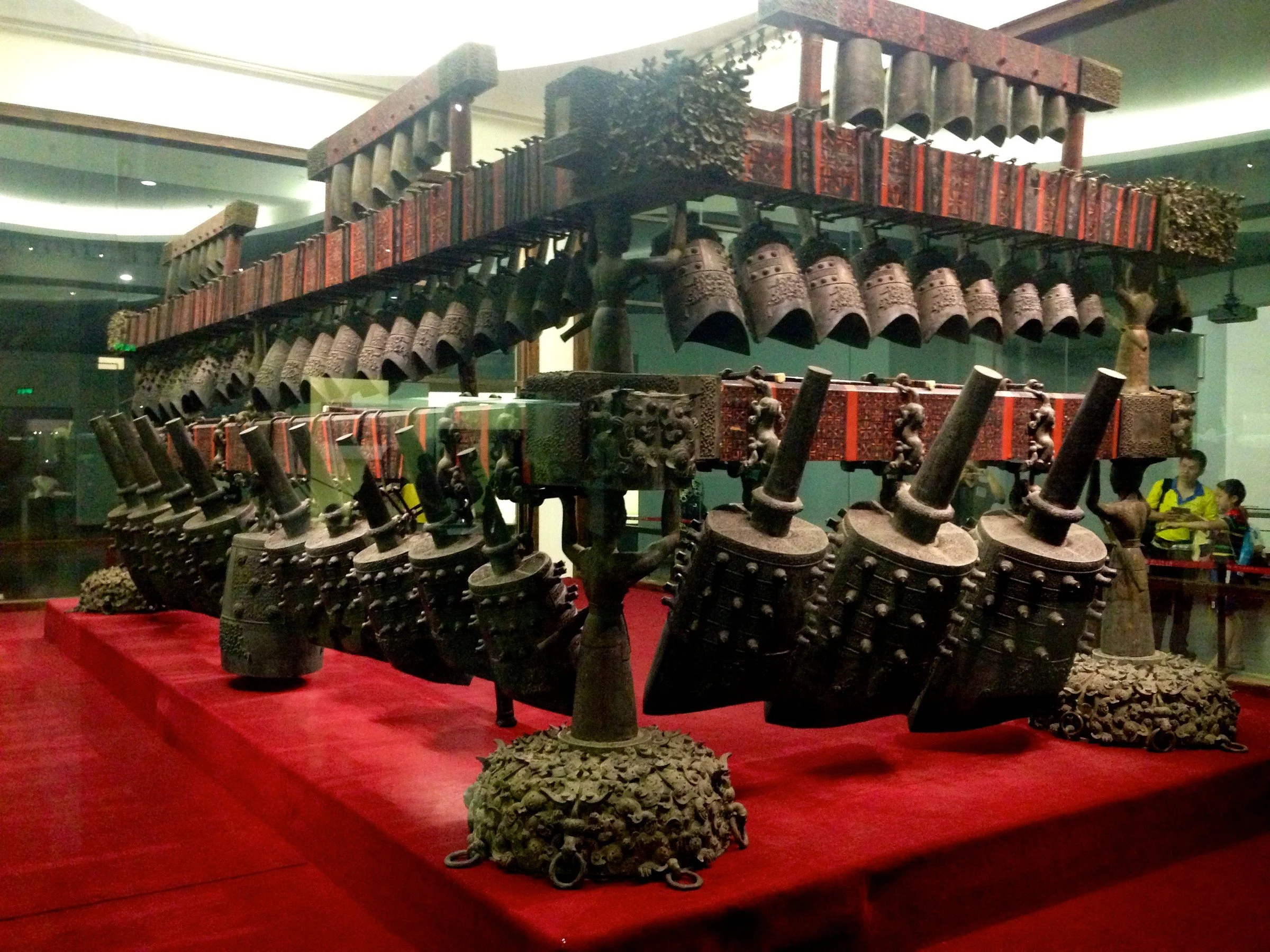
Ancient Chinese Bellmakers Could Get Two Notes from One Bell
Ancient Chinese bells make the usual image of a round church bell look almost crude. The geometry is what makes the story land. More than two thousand years ago, founders were deliberately shaping bronze so a single bell could hold two usable notes.
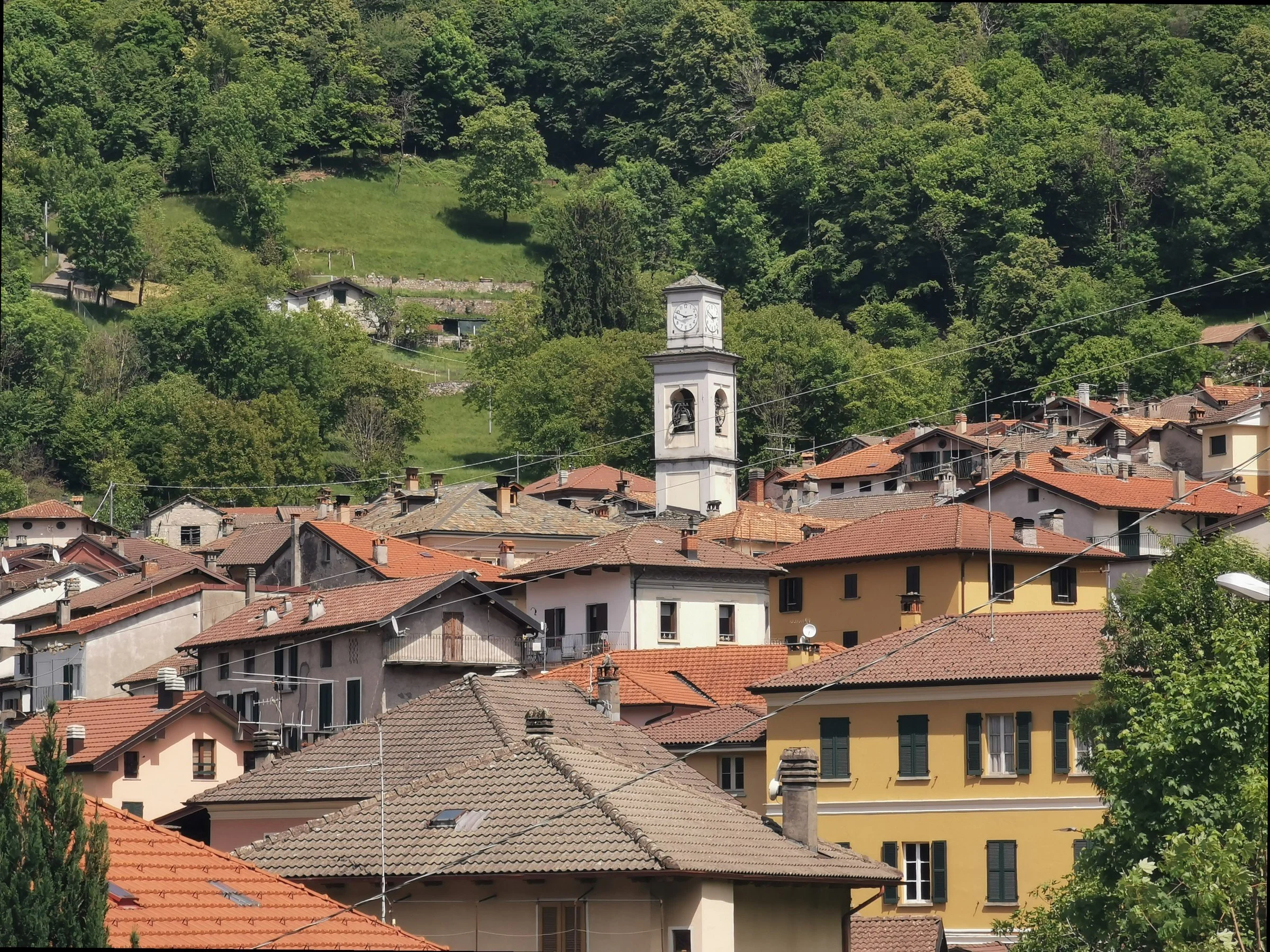
Why Put the Bell in a Tower?
A bell becomes a different instrument when you lift it above the roofs. Modern communication made that function less necessary, but it did not make it meaningless. A tower bell still does something a phone notification does not. It addresses everyone within earshot without asking who subscribed first.
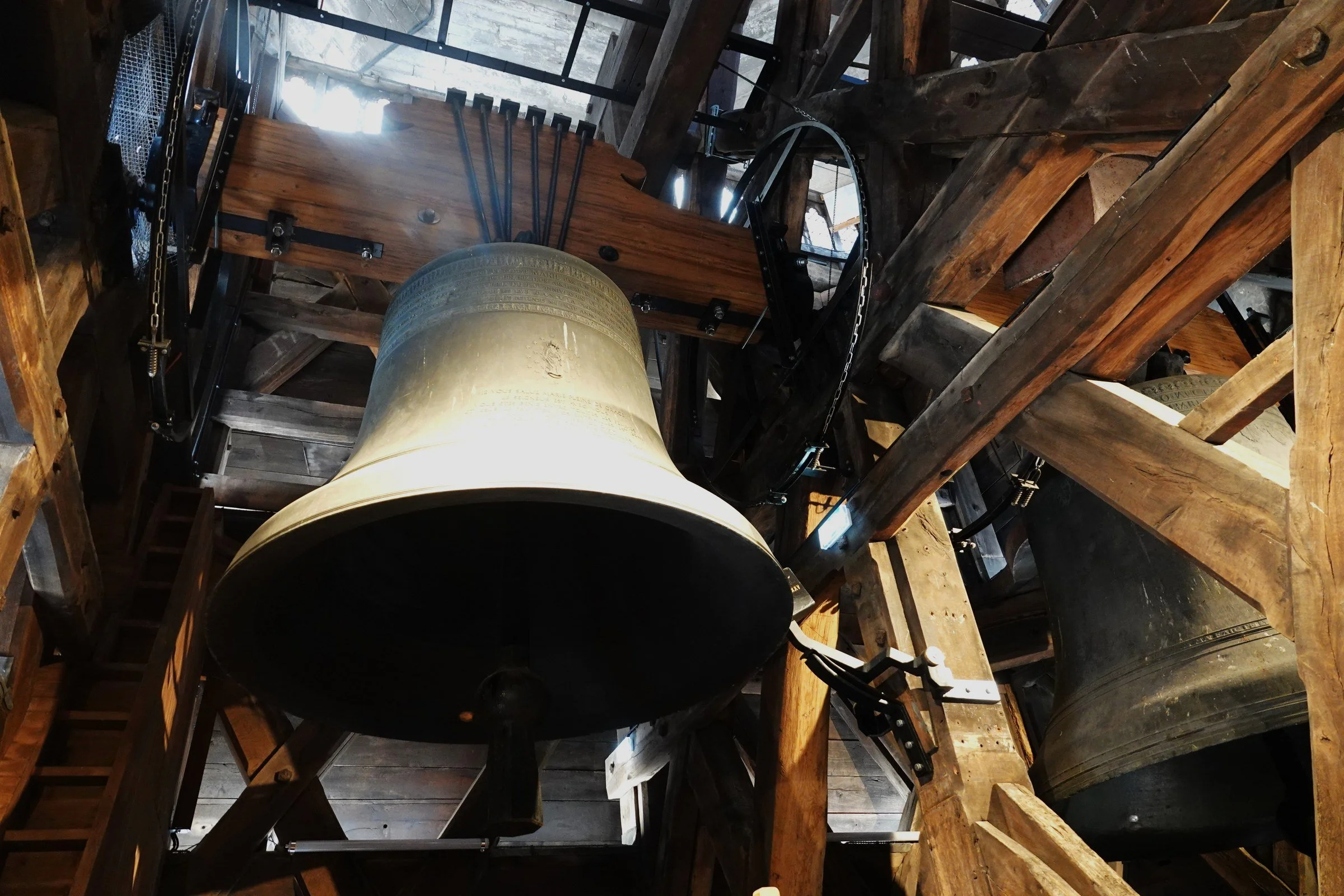
Notre-Dame Put Its Bells Back Before It Reopened
The 2019 fire at Notre-Dame came close to destroying the north tower belfry. The sequence is a good reminder that restoring a bell tower means more than hanging bronze in a stone room. The timber, bearings, clappers, frames, and surrounding structure all have to survive the forces created when several tonnes begin to move.
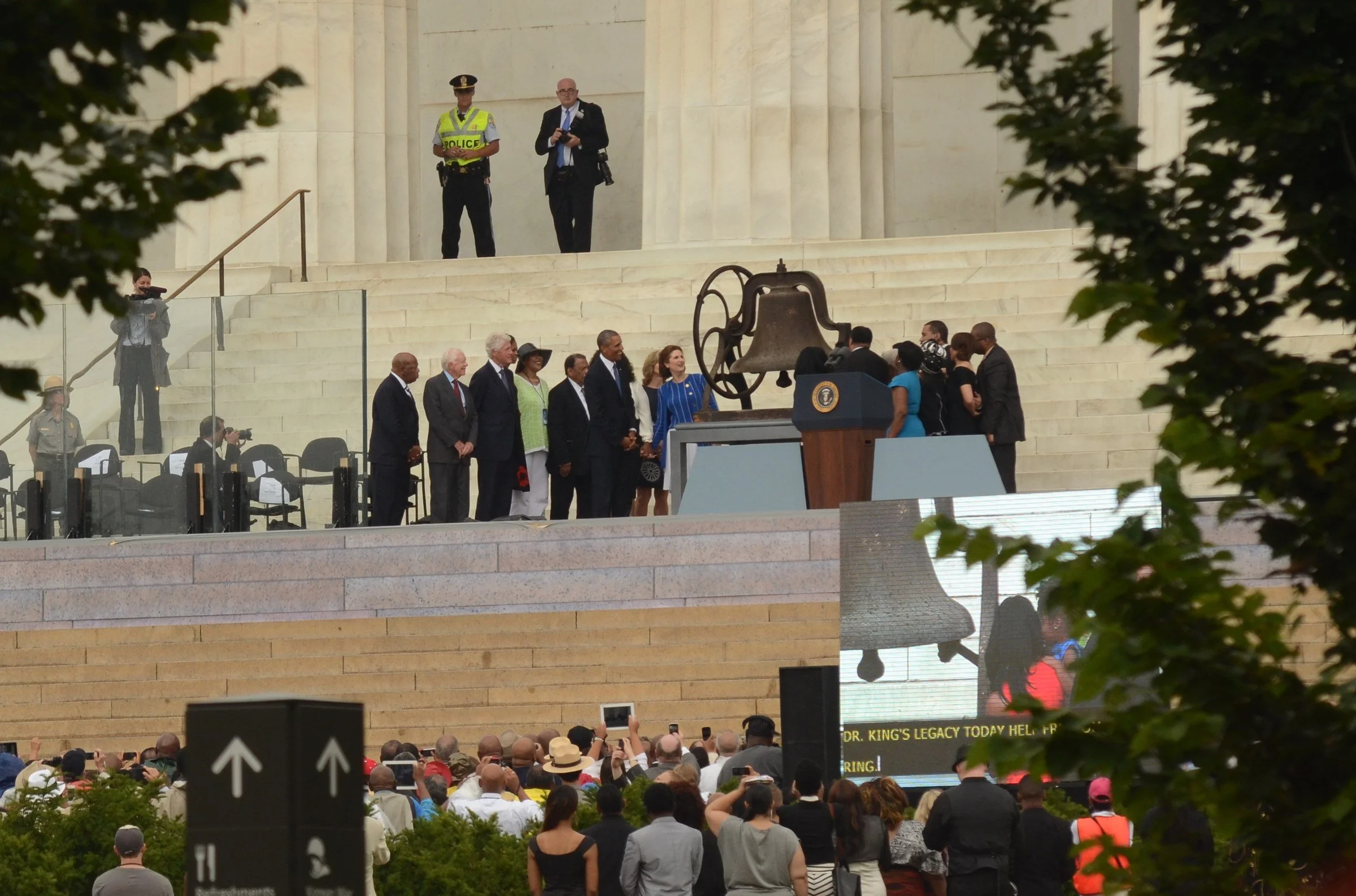
When ‘Let Freedom Ring’ Became Literal
Martin Luther King Jr. used “let freedom ring” as a national metaphor in 1963. Fifty years later, people answered him with actual bells. It is better history than claiming a nationwide bell response happened immediately after the original speech. The large coordinated ringing belongs to the 2013 commemoration, and it carried fifty years of memory with it.
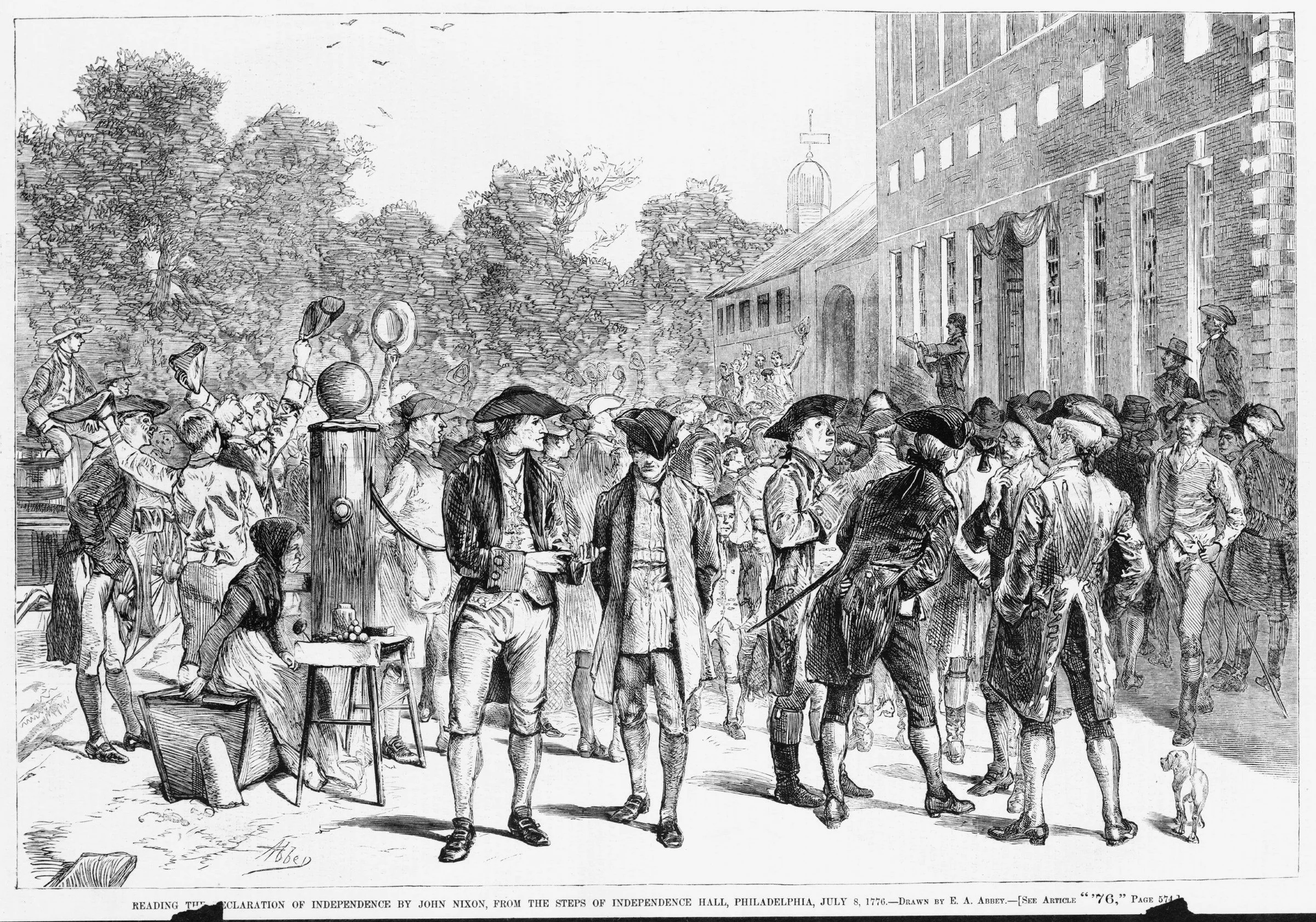
Philadelphia Rang for the Declaration, but the Liberty Bell Story Is Murkier
On July 8, 1776, the Declaration of Independence was read publicly in the State House yard in Philadelphia, and bells were part of the city’s celebration and summons. The distinction is worth keeping because the real history is strong enough without borrowing a sound nobody can prove. Bells helped make public news public. The Liberty Bell became attached to the event later because memory likes one object better than a whole city full of ringing.
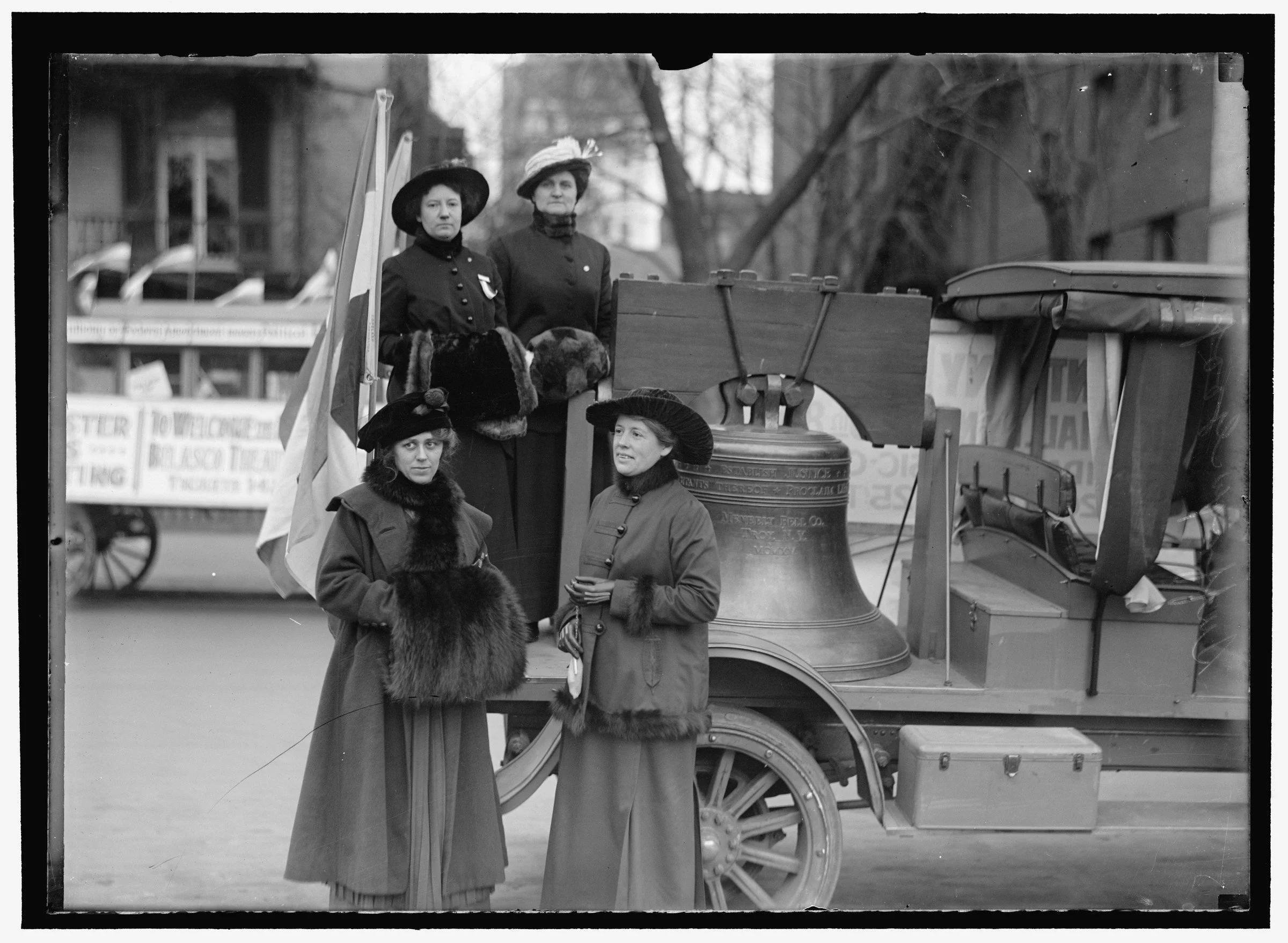
Abolitionists Gave the Liberty Bell Its Name
For decades, Philadelphia’s famous cracked bell was simply the State House bell. That history is more interesting than pretending the bell was born as a national icon in 1776. Symbols accumulate. The bronze stayed the same while generations changed what they demanded from the words cast into it.
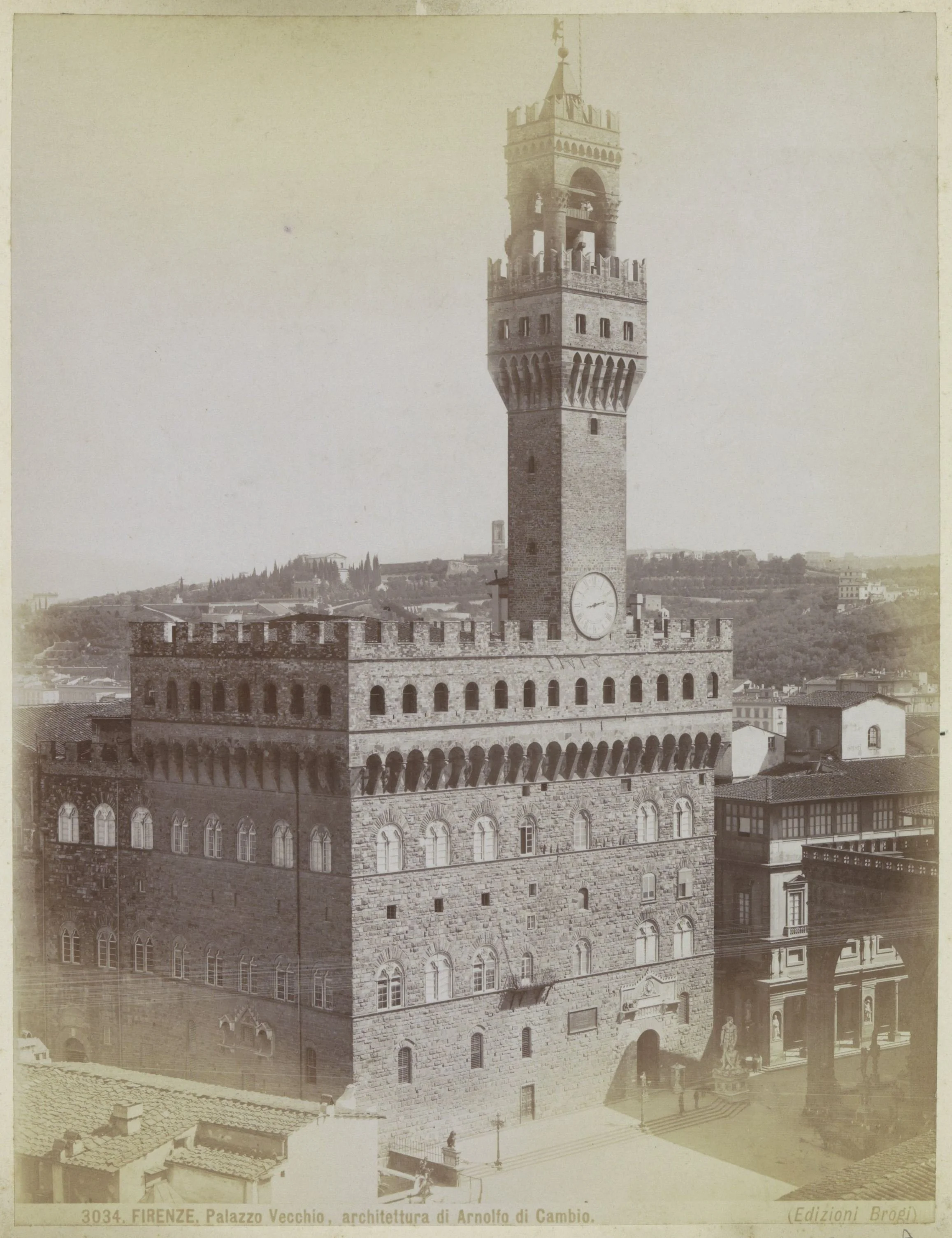
The Morning Eight Bell Towers Started a Revolt
On July 20, 1378, a man named Nardo di Camaldoli entered Santa Maria del Carmine in Florence and began ringing the bells. The bells did not cause the revolt. They made organization audible at city scale, and both sides understood exactly what that was worth.
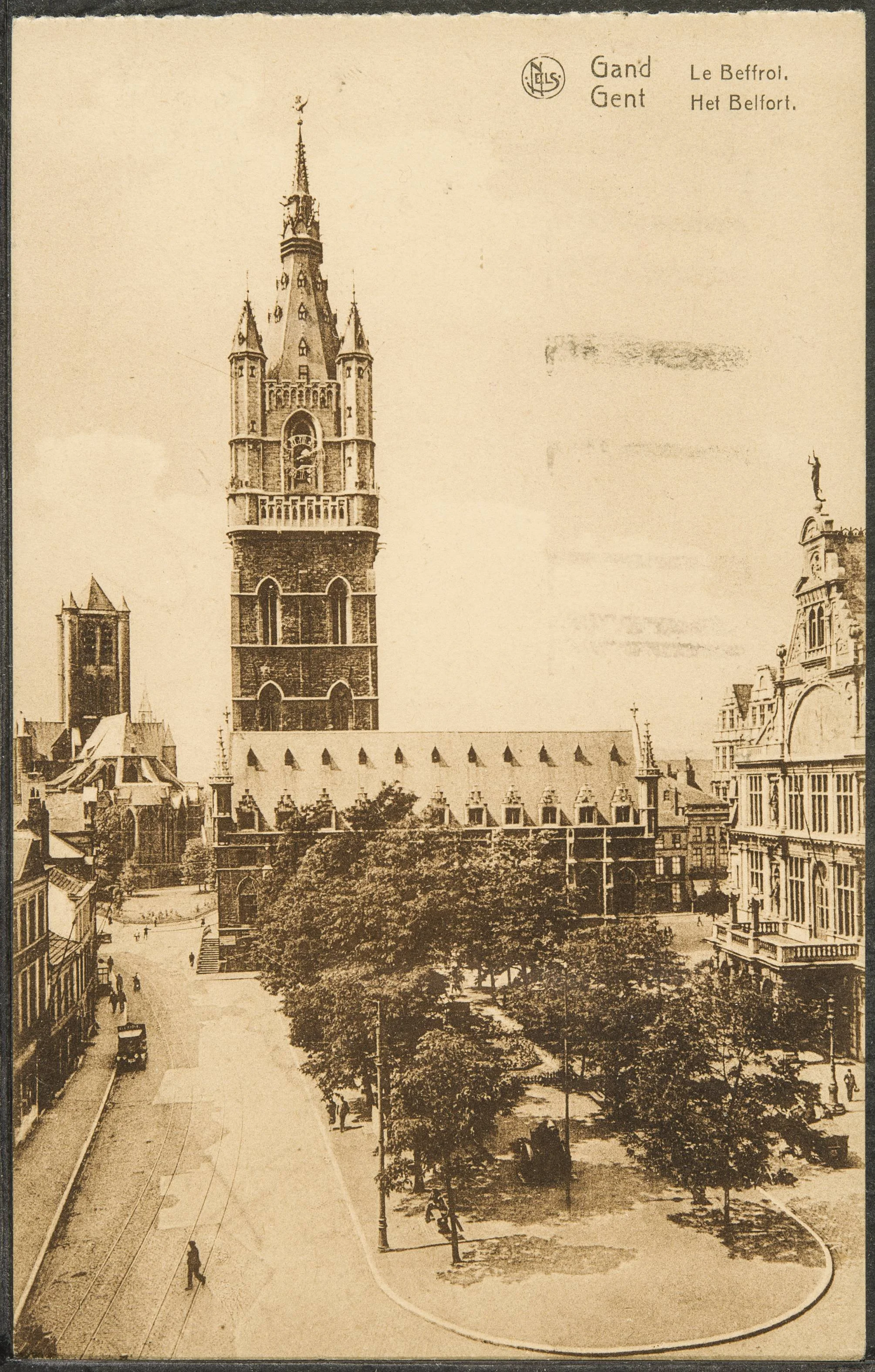
The Belfry Watchman Was a Human Sensor on Top of the City
A high tower solved two problems at once: somebody could see farther, and the bell could be heard farther. Once a problem was seen, the bell converted private observation into a public alarm.

One Tower Could Mean Prayer at Noon and Danger an Hour Later
Bell towers worked because people learned patterns, not because every message needed its own bell. A visitor might only hear bells. A resident heard instructions.
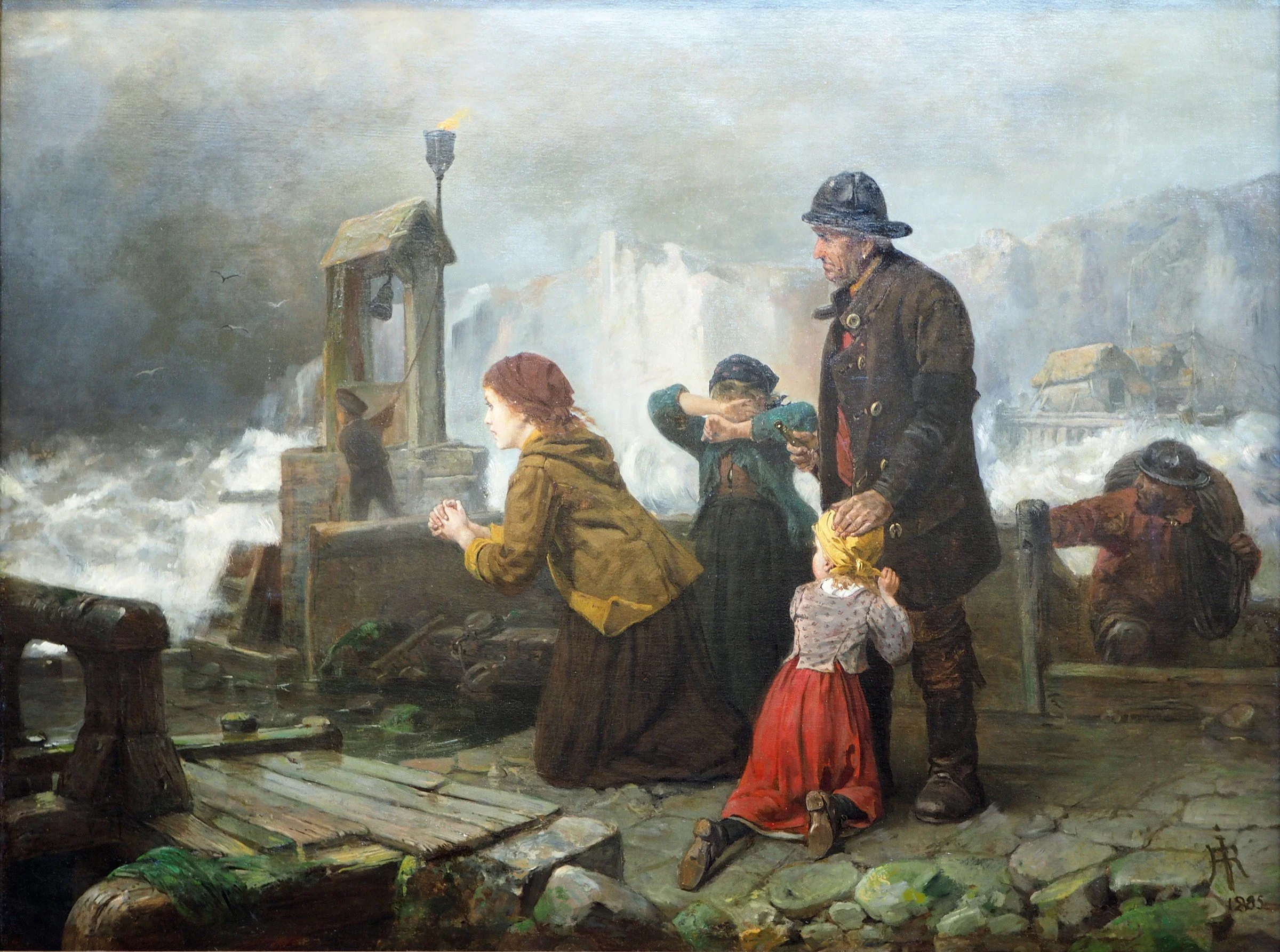
A Bell Tower Could Work as Part of a Warning Network
Long-distance warning systems existed before telegraphs, but they did not rely on bells alone. Height extended vision. Bronze extended sound. Repetition extended the warning.
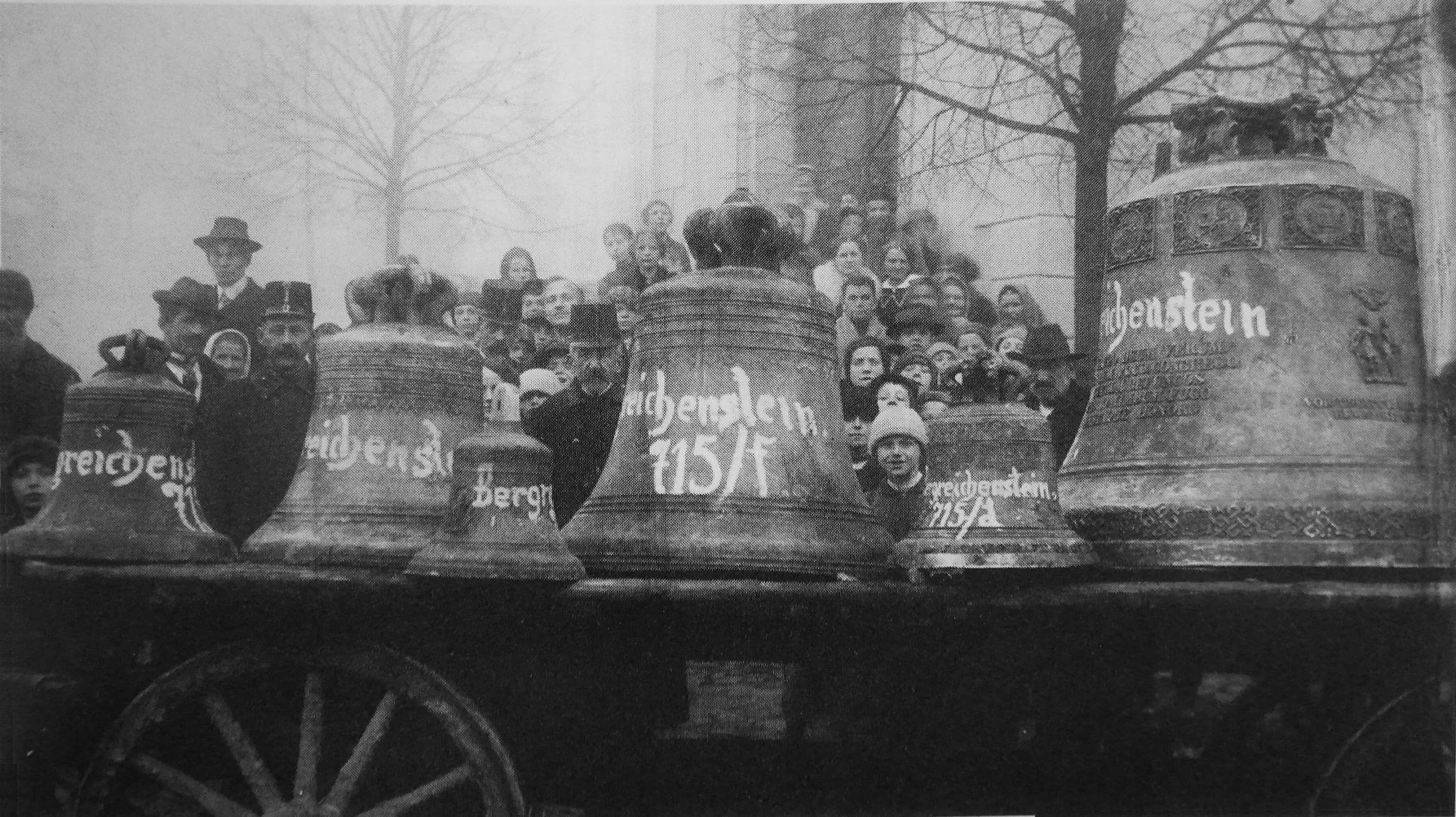
The First World War Emptied Bell Towers for Metal
In the First World War, governments requisitioned church bells for copper and tin. Many medieval towers in Europe now hold bells cast after the armistice.
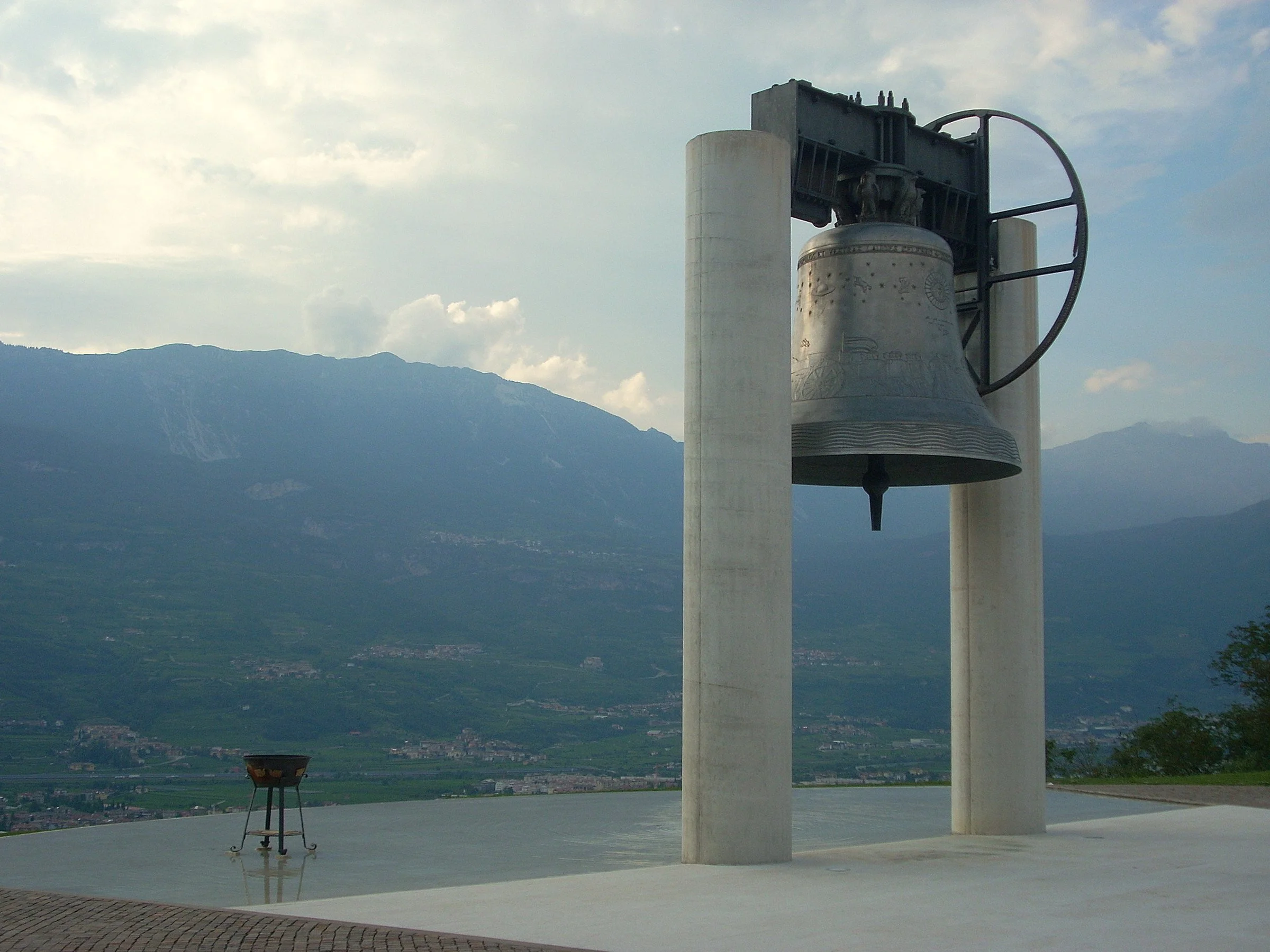
The Peace Bell That Had to Be Reborn Three Times
Maria Dolens was cast from the bronze of First World War cannon so the metal of battle could be made to speak for peace.
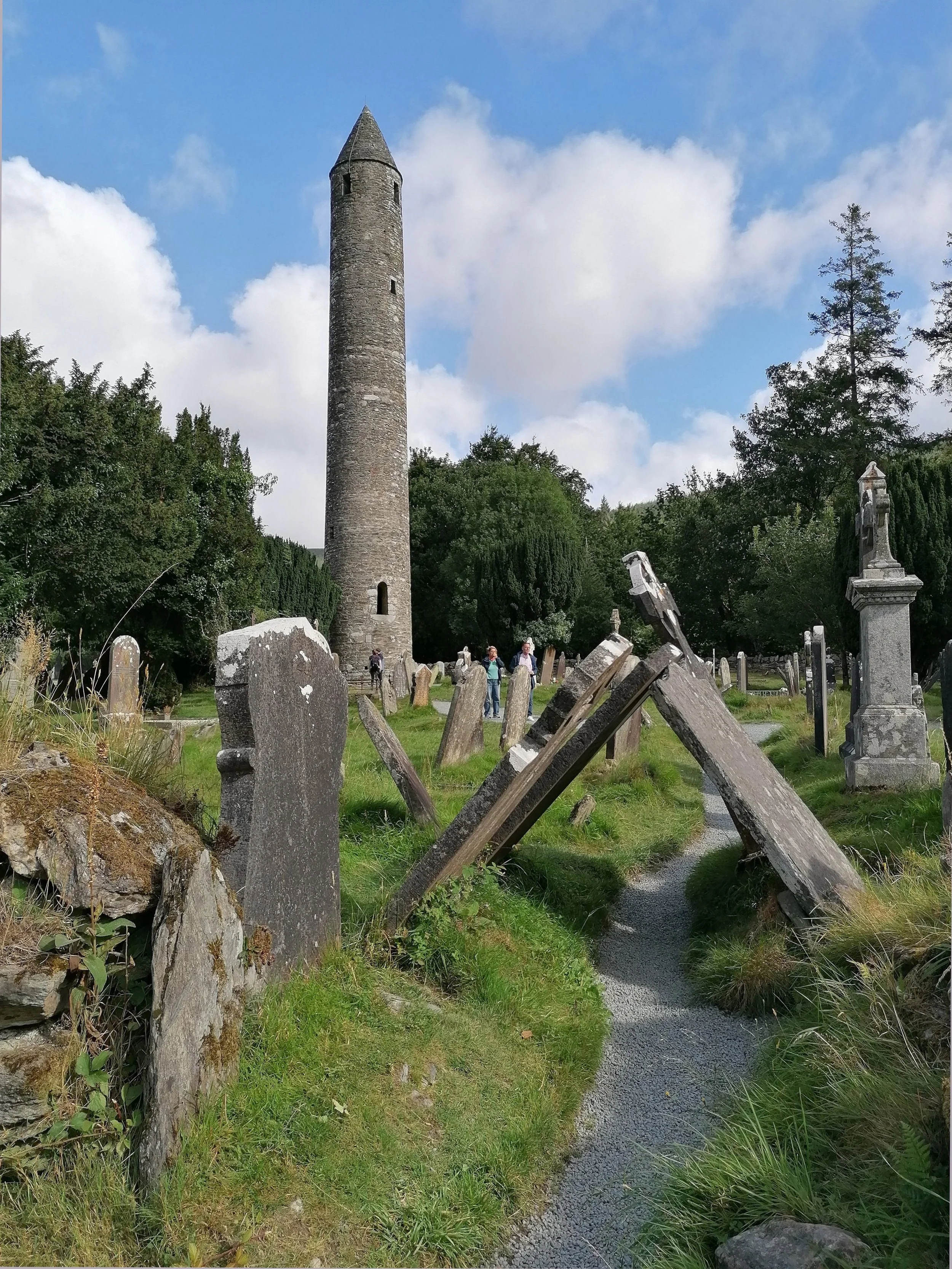
Ireland’s Round Towers Were Bell Houses, Not Medieval Bunkers
The old Irish name for the round tower is cloigtheach: bell house. That is the strongest clue to what these tall stone cylinders were built to do.
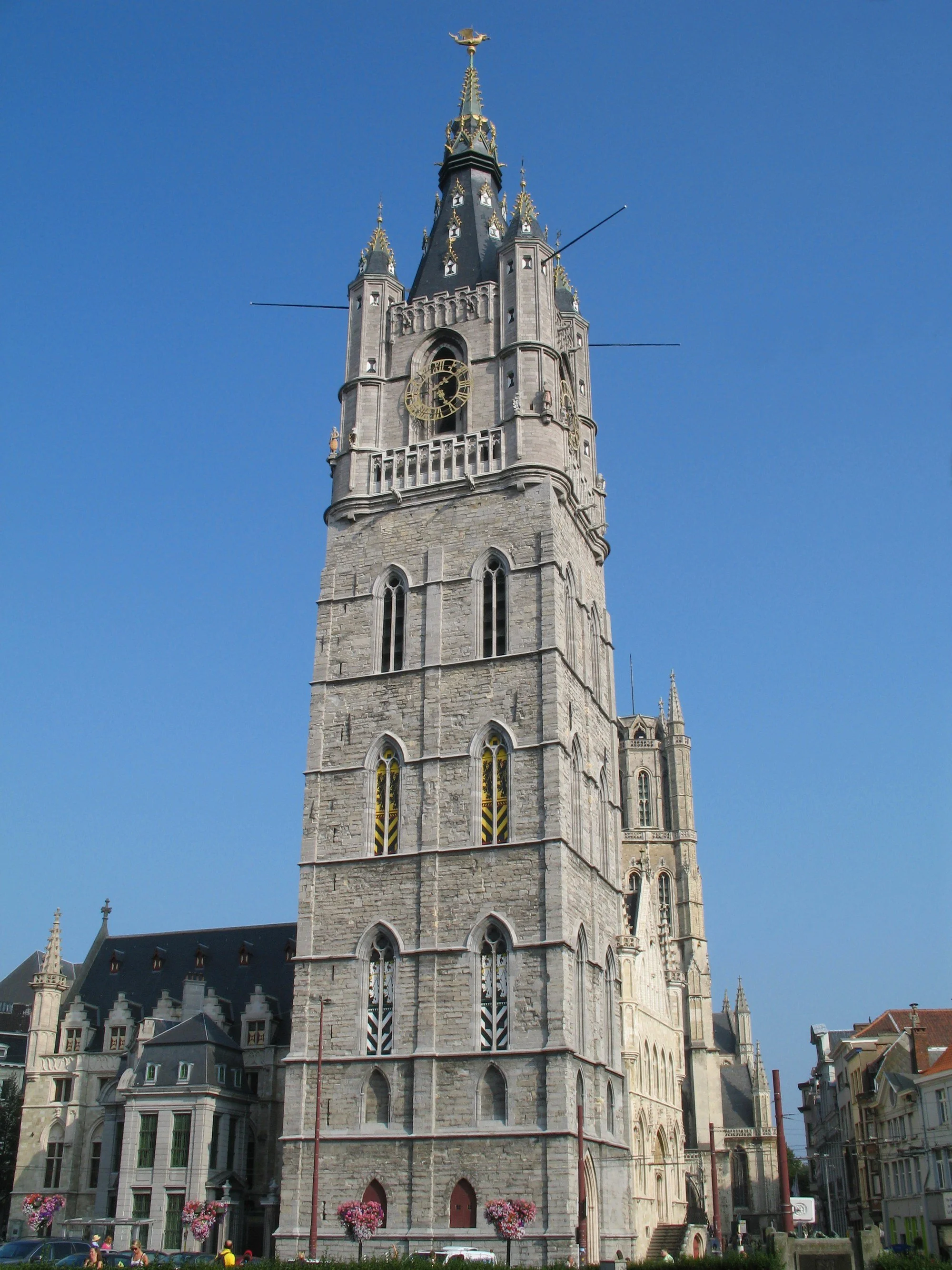
Ghent’s Alarm Bell Was So Political an Emperor Took It Down
Ghent’s great alarm bell, Klokke Roeland, was more than a clock. It belonged to the city’s political independence.
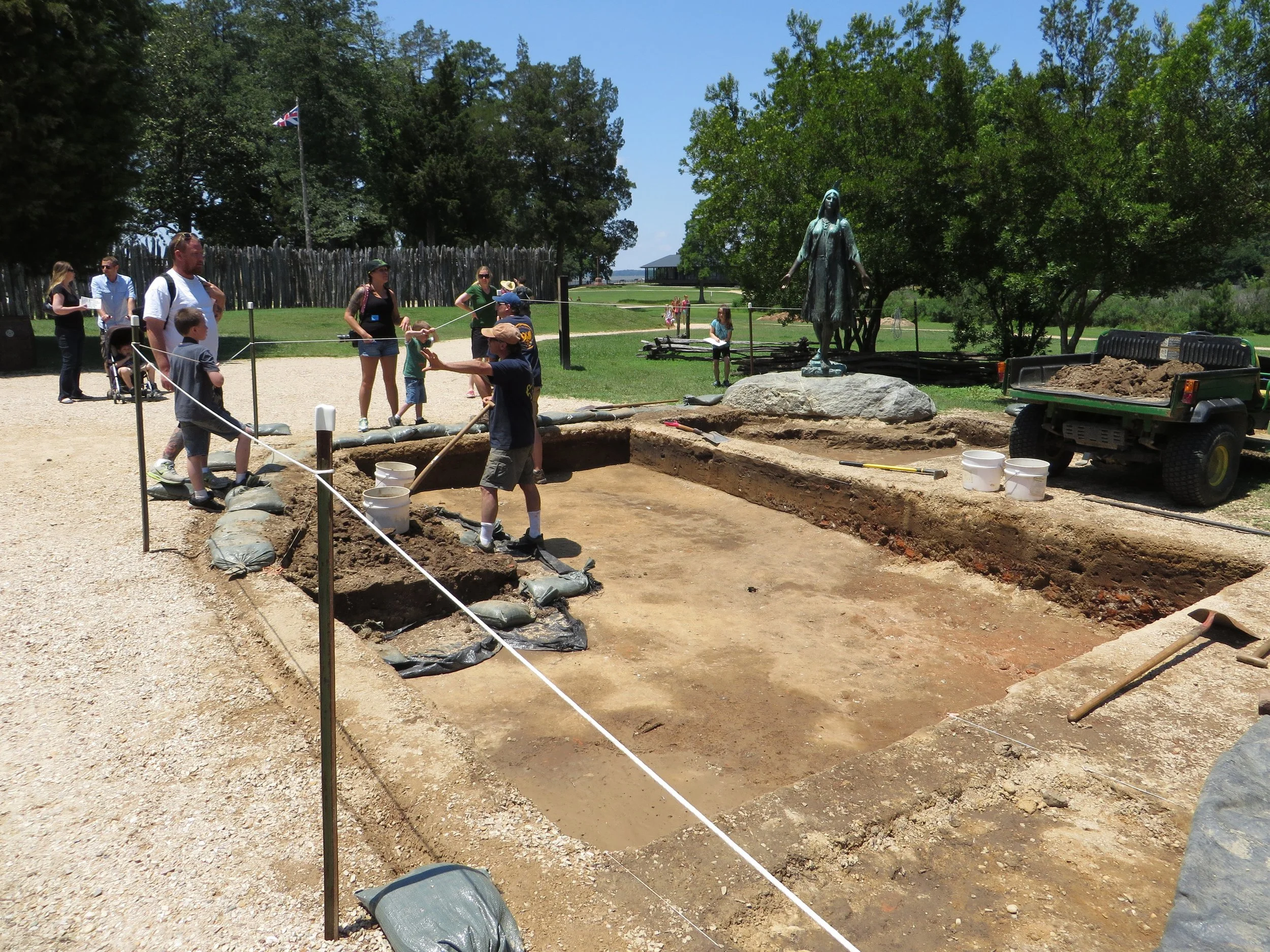
Archaeologists Rebuilt a Bell from Broken Pieces
Jamestown archaeologists had fragments of a bell that broke before 1610. Centuries later, a bellfounder used those pieces to reconstruct its shape.
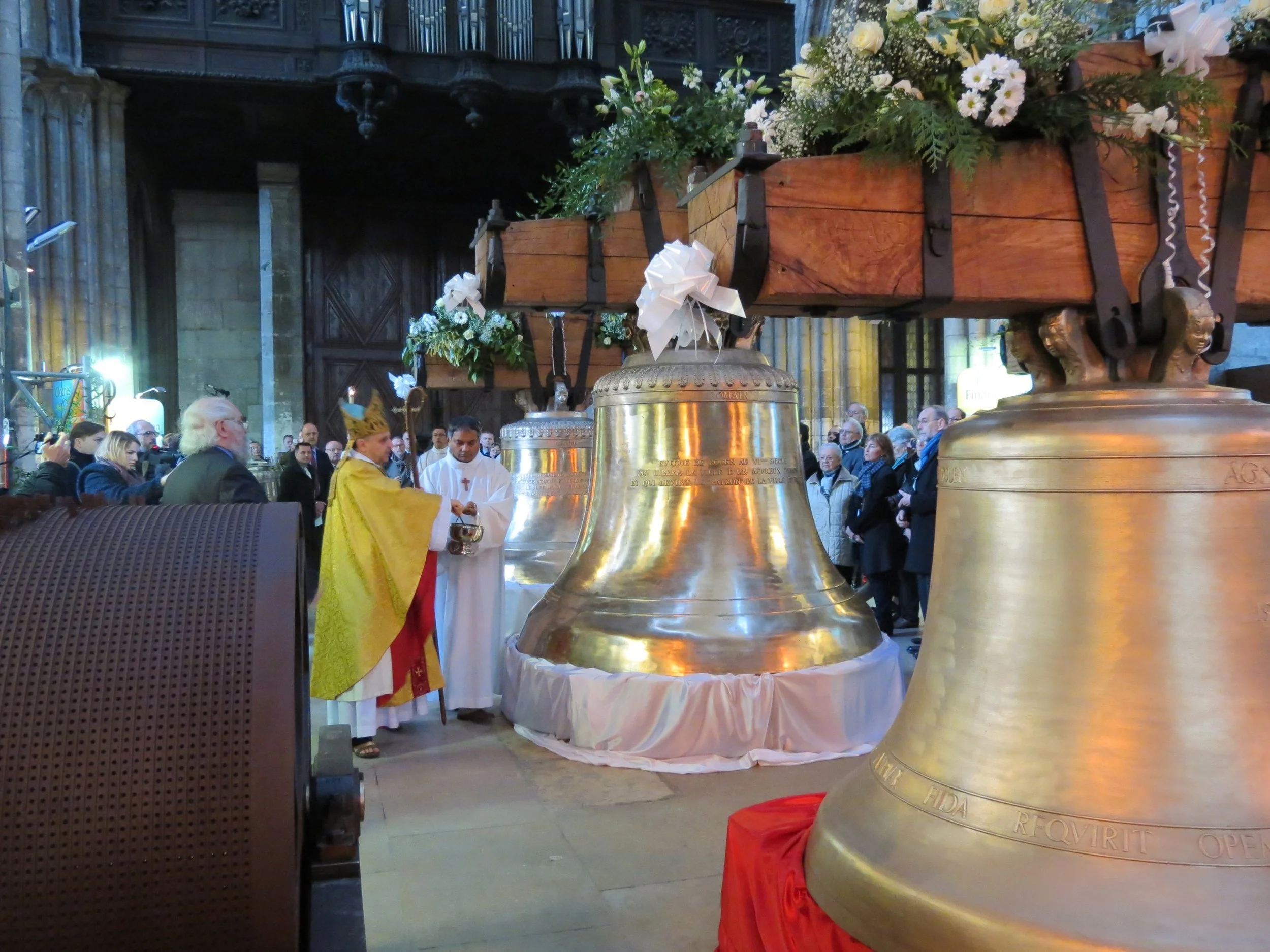
A Medieval Bell Could Be Washed, Anointed, Incensed, and Named
Before a bell entered service, medieval and later Catholic rites could treat it with a level of ceremony that sounds almost personal.
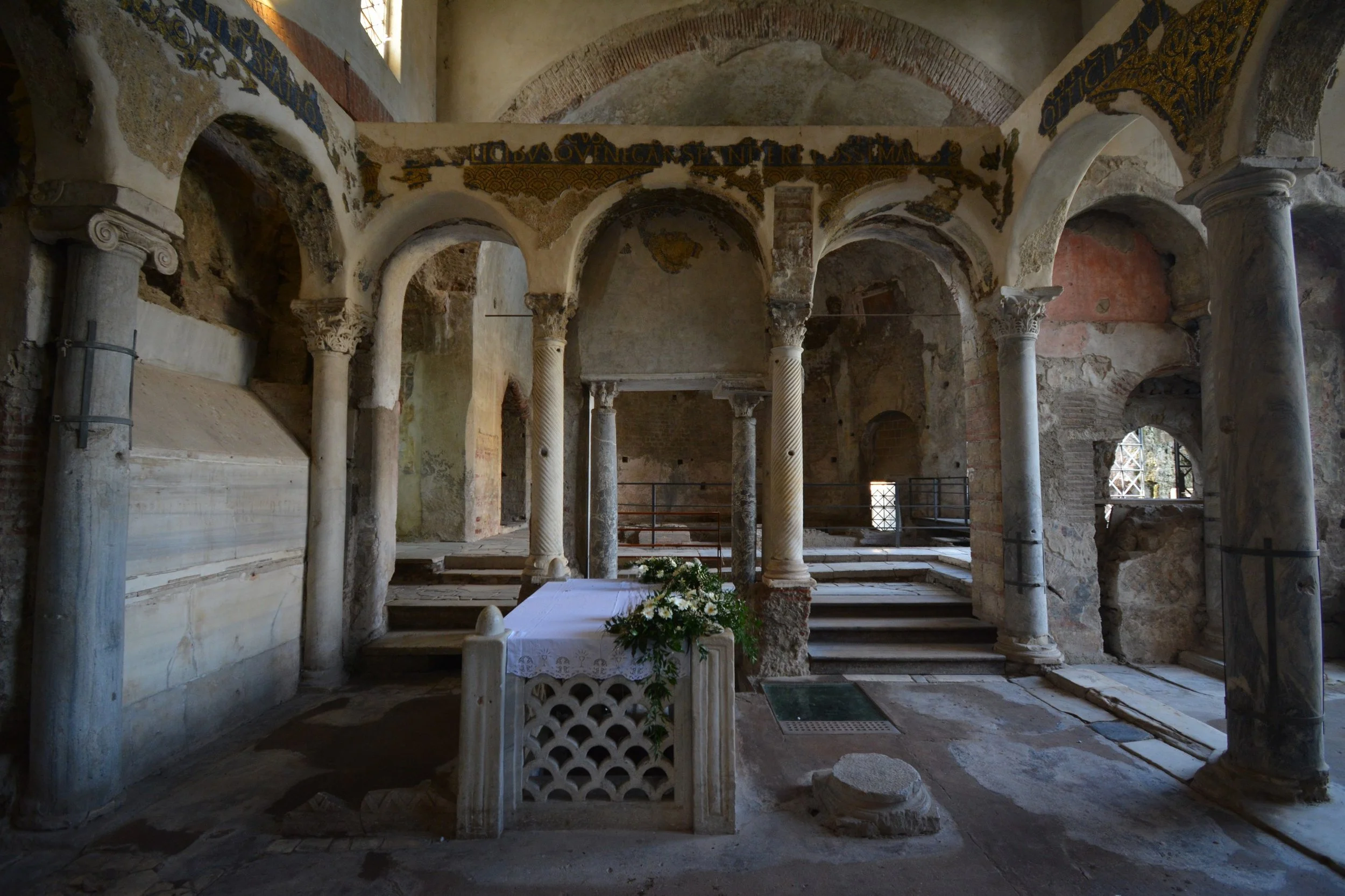
The Man Who Probably Did Not Invent Church Bells
Paulinus of Nola has been credited with introducing church bells for centuries. The evidence does not cooperate.
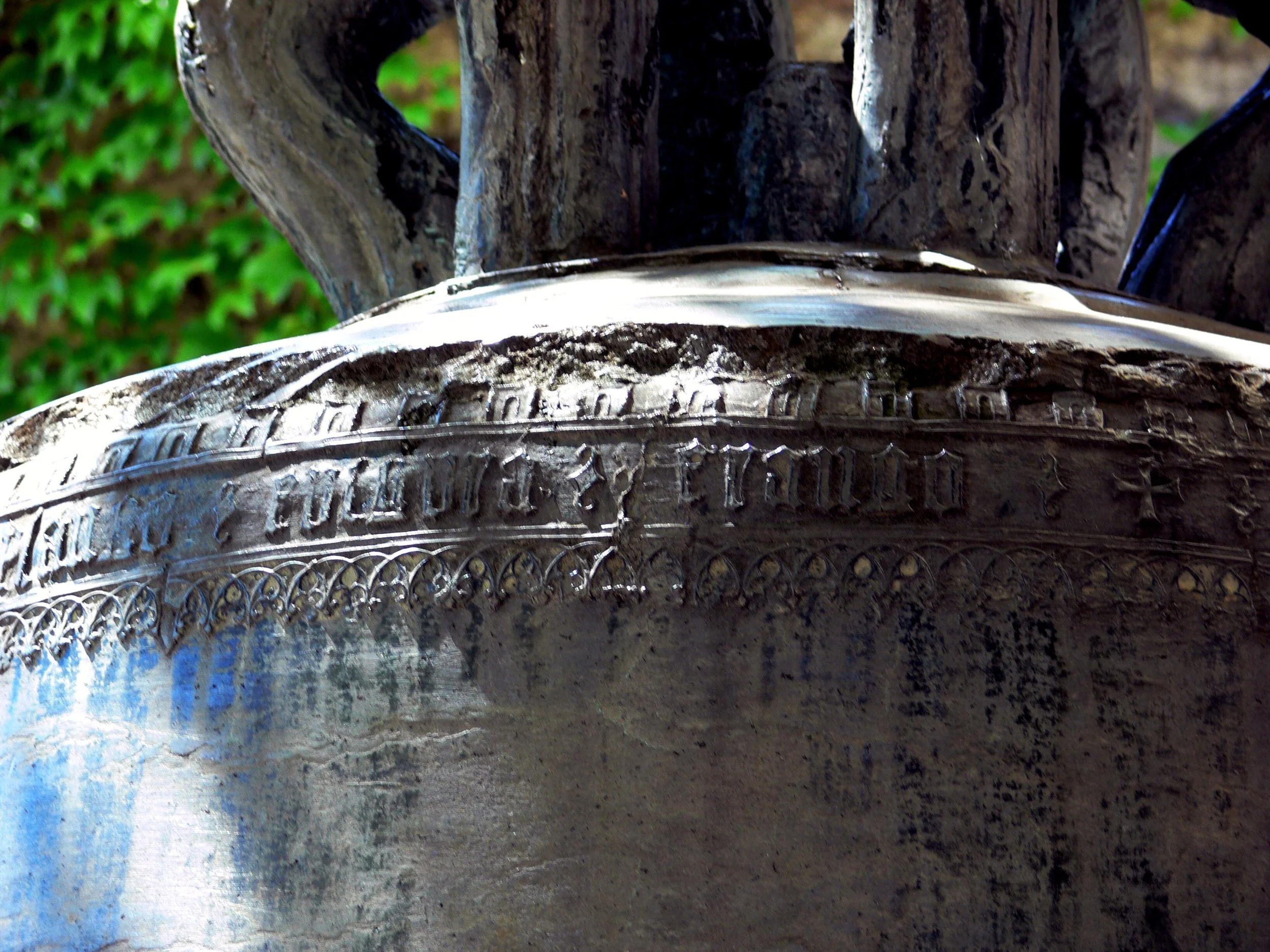
People Rang Church Bells at Thunderstorms
For centuries, Europeans climbed into bell towers during storms because they believed a consecrated bell could help drive dangerous weather away.
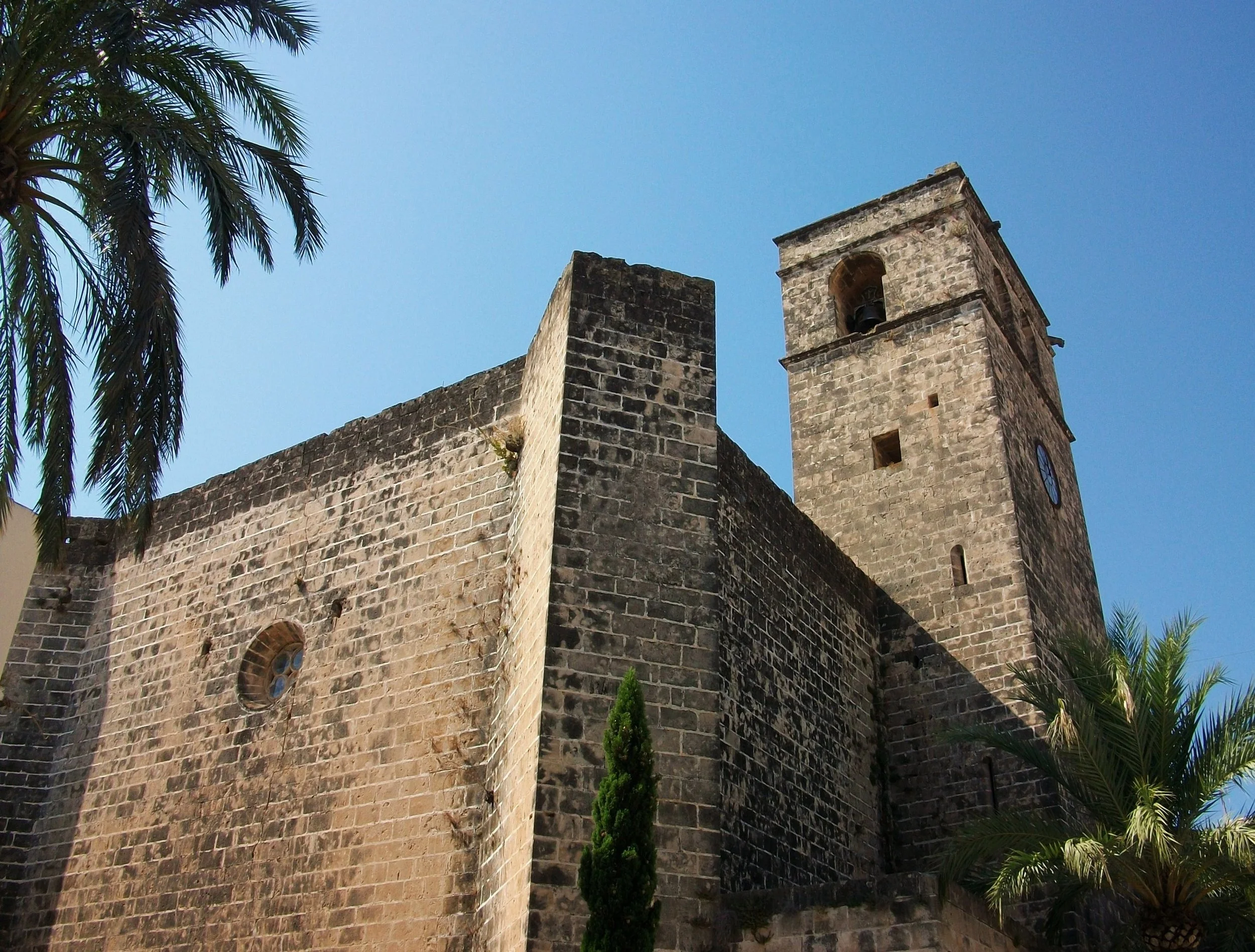
The Rebato Meant Get to the Walls
In Spain, the word rebato carried the sense of sudden alarm, especially a warning that called people to arms.
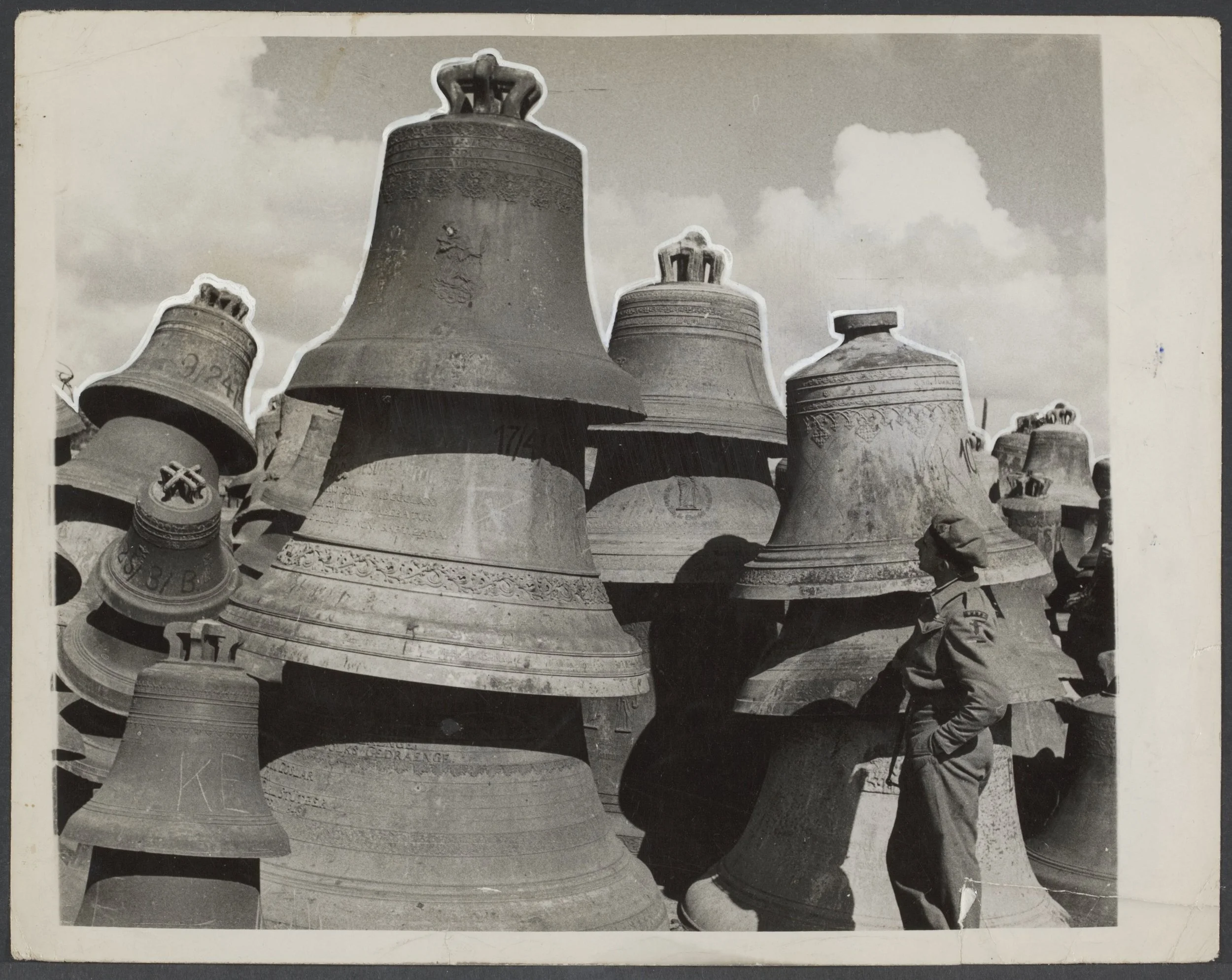
When Bells Became War Material
A church bell and a bronze cannon are uncomfortably close relatives.