
In Spain, the word rebato carried the sense of sudden alarm, especially a warning that called people to arms.
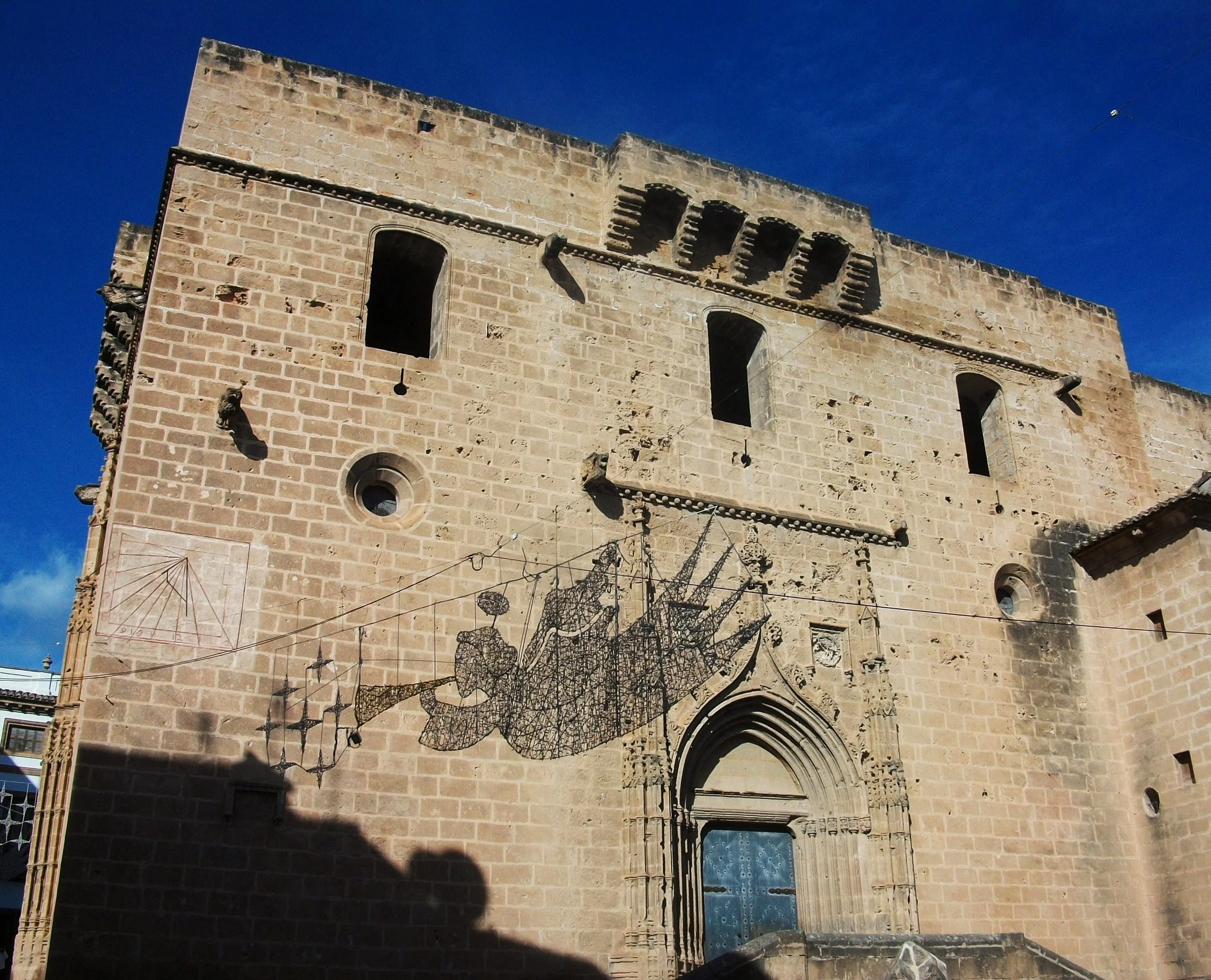
A doorway and wall of the Church of Sant Bartomeu in Xàbia (Jávea), in the province of Alicante, photographed in 2012. The church is a fortified building, and the large machicolations above the doors and the arrow slits in its walls served defense as well as worship. In the medieval period it was the town’s main defensive structure. The Real Academia Española defines rebato as the summoning of the residents of one or more towns, by bell, drum, beacon, or another signal, so they can defend themselves when danger arrives. Photo: Joanbanjo, CC BY-SA 3.0, via Wikimedia Commons
A bell rung a rebato could turn a church tower into an emergency signal station. Coastal raids, local fighting, fire, and civil unrest all created the same practical problem: how do you get scattered people moving before the threat arrives?
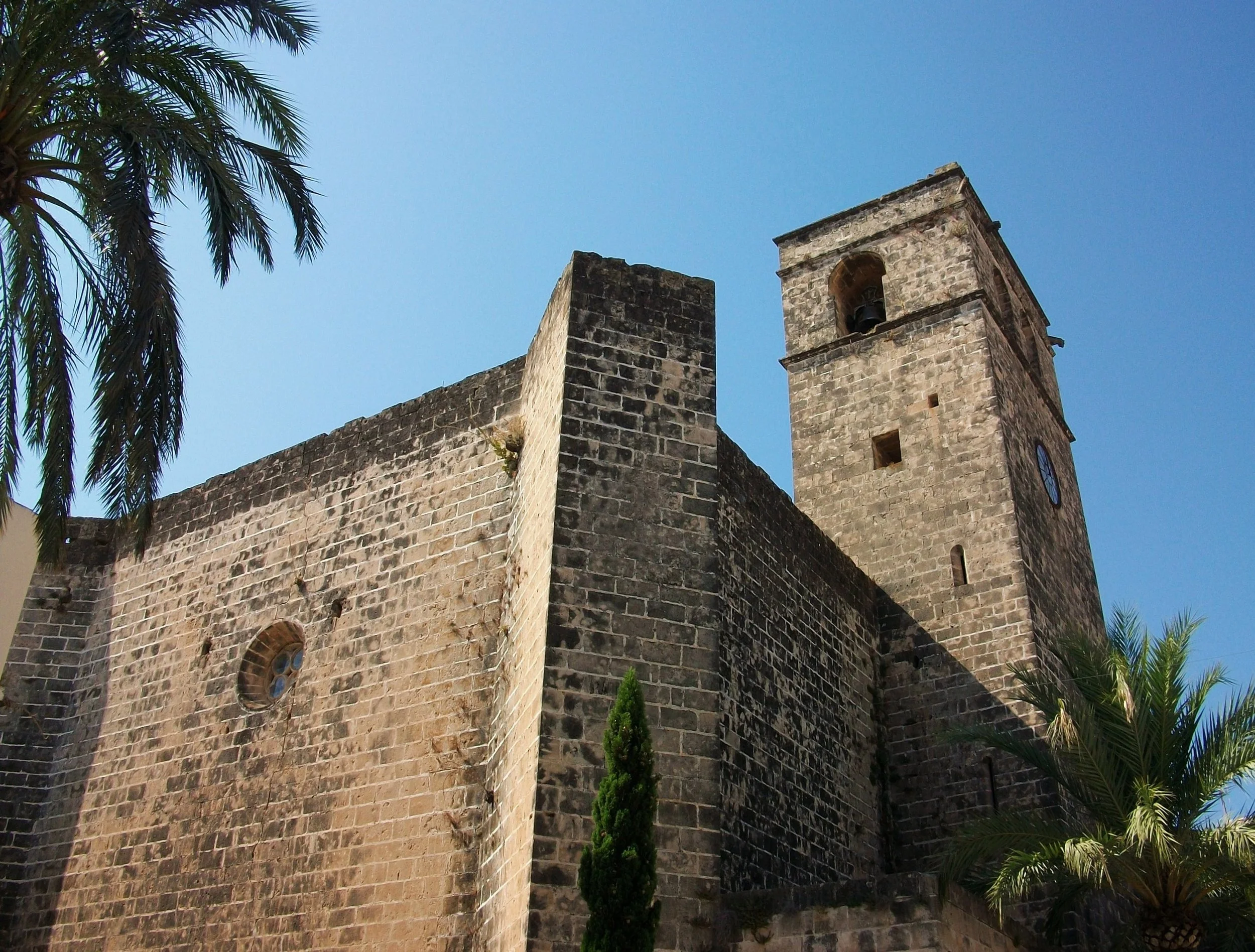
The bell tower of the Church of Sant Bartomeu in Xàbia, photographed in 2009. The tower stands on the north side, where the nave meets the apse, and was completed in 1659. It also served as a watchtower that communicated with the defensive system along the coast. The church’s four bells were taken down for restoration in 2023 and rung together again on 30 March 2024, the first time in more than two decades. Photo: Joanbanjo, CC BY-SA 3.0, via Wikimedia Commons
The bell solved the first part. Its range did not depend on literacy, roads, or a messenger finding every household. People only needed to recognize the pattern.
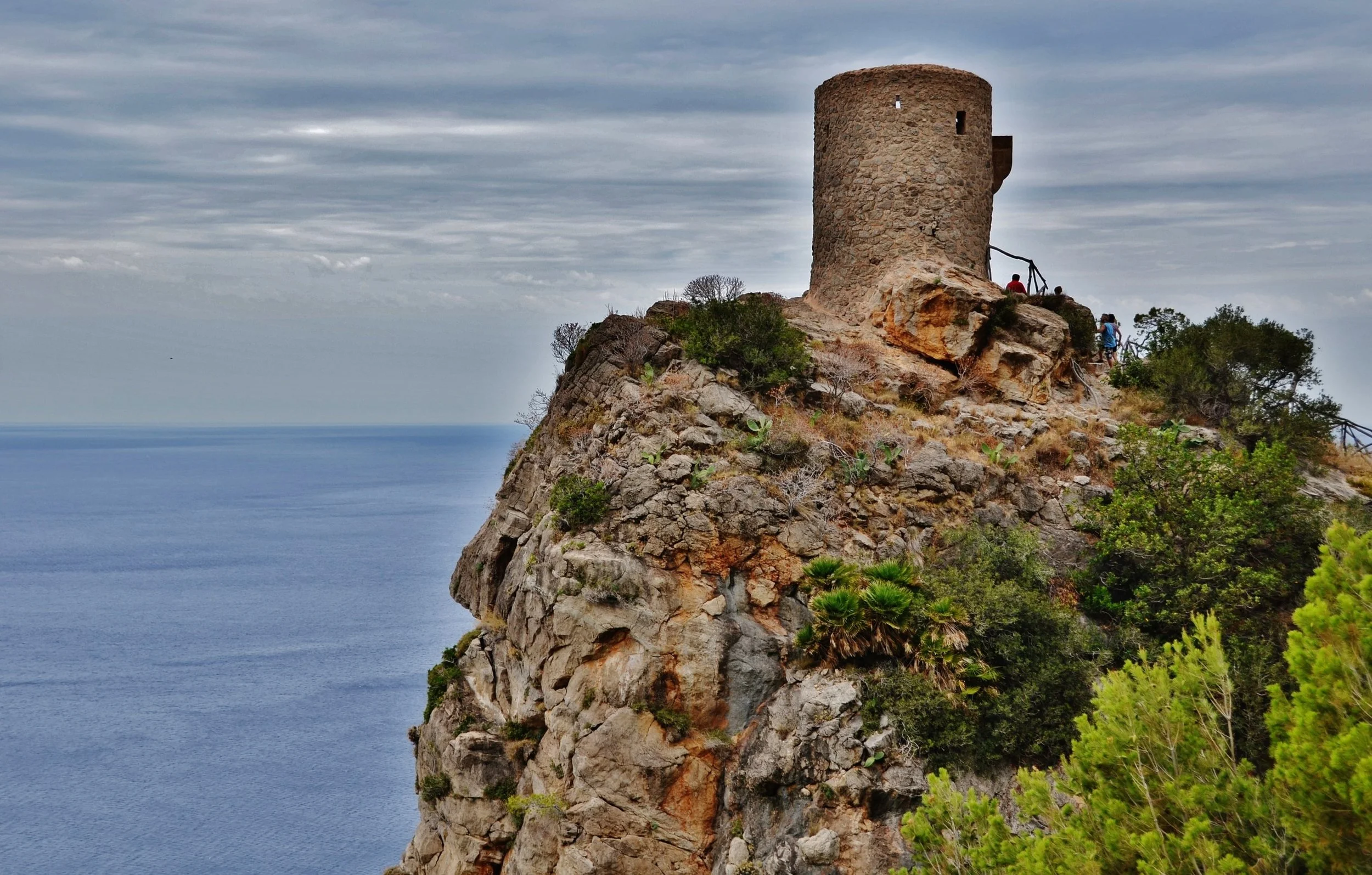
The Talaia de ses Ànimes, also called the Torre del Verger, on the cliffs between Estellencs and Banyalbufar in Mallorca, photographed in 2013. After pirates sacked Banyalbufar in 1542 and 1546, the island’s Gran i General Consell ordered a tower built there in 1579, and it was standing by 1597. It belonged to a network of watch and signal towers along the Mallorcan coast set up to fight piracy, and it exchanged signals with the towers of Na Pòpia and Valldemossa. Photo: Maria Rosa Ferre, CC BY-SA 2.0, via Wikimedia Commons
That also made the tower something authorities could not ignore during unrest. Ropes could be cut, churches occupied, or ringers controlled because an unauthorized alarm could create a crowd faster than officials could explain what was happening.
A bell was useful precisely because it bypassed explanation. By the time everybody agreed on what the sound meant, they were already moving.
