
A bell becomes a different instrument when you lift it above the roofs.
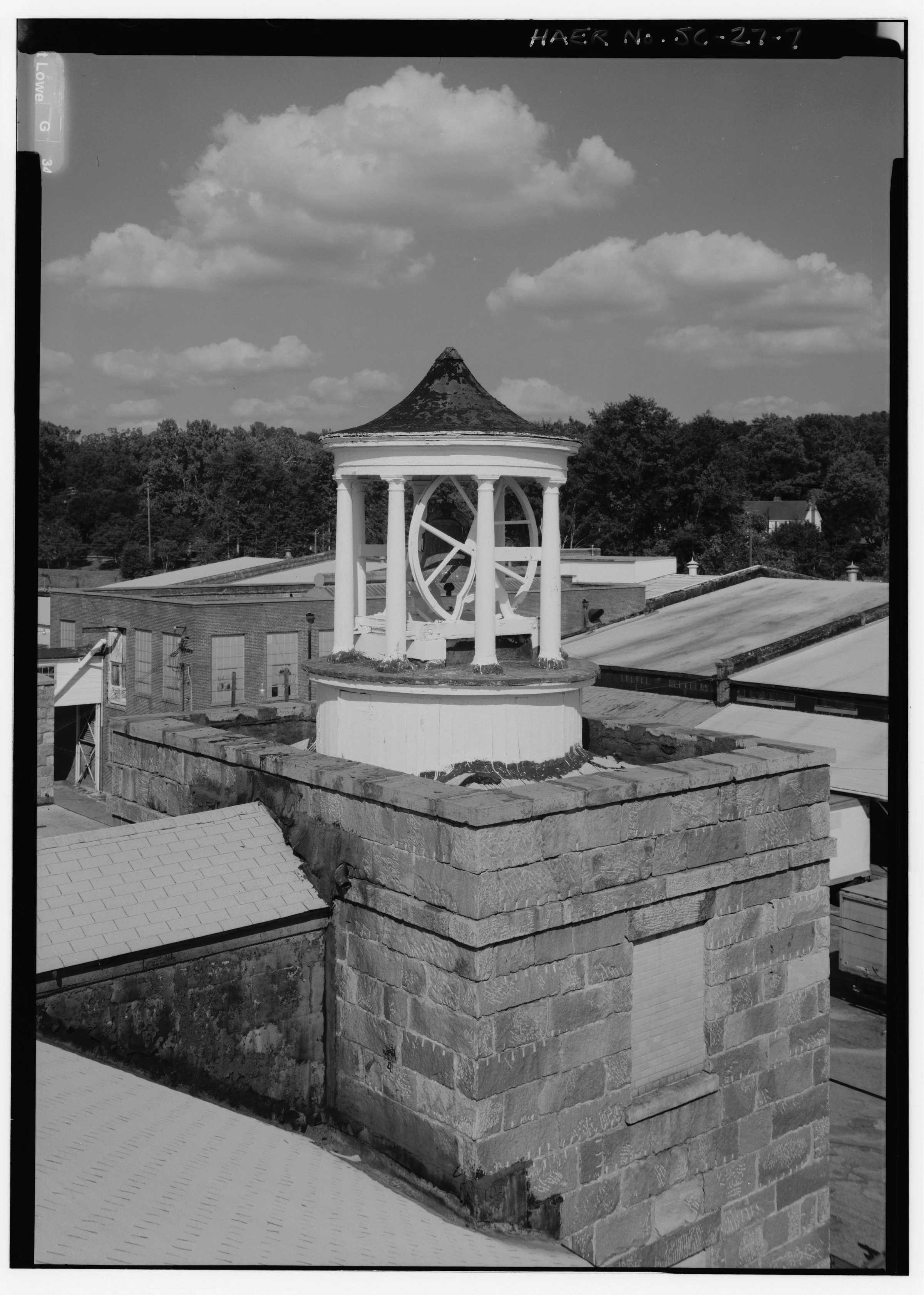
The original bell in the cupola atop the north tower of Graniteville Mill in Graniteville, South Carolina, photographed from the roof ridge in 1998. The granite mill was built from 1846 to 1849. Photo: Jet Lowe/Historic American Engineering Record, Public domain, via Library of Congress
Height lets the sound clear nearby walls, trees, crowds, and fields. It also places the ringer, watchman, clock, or alarm source where a larger area can share the same signal. That is why churches, town halls, monasteries, factories, and courthouses kept converging on the same basic architecture.
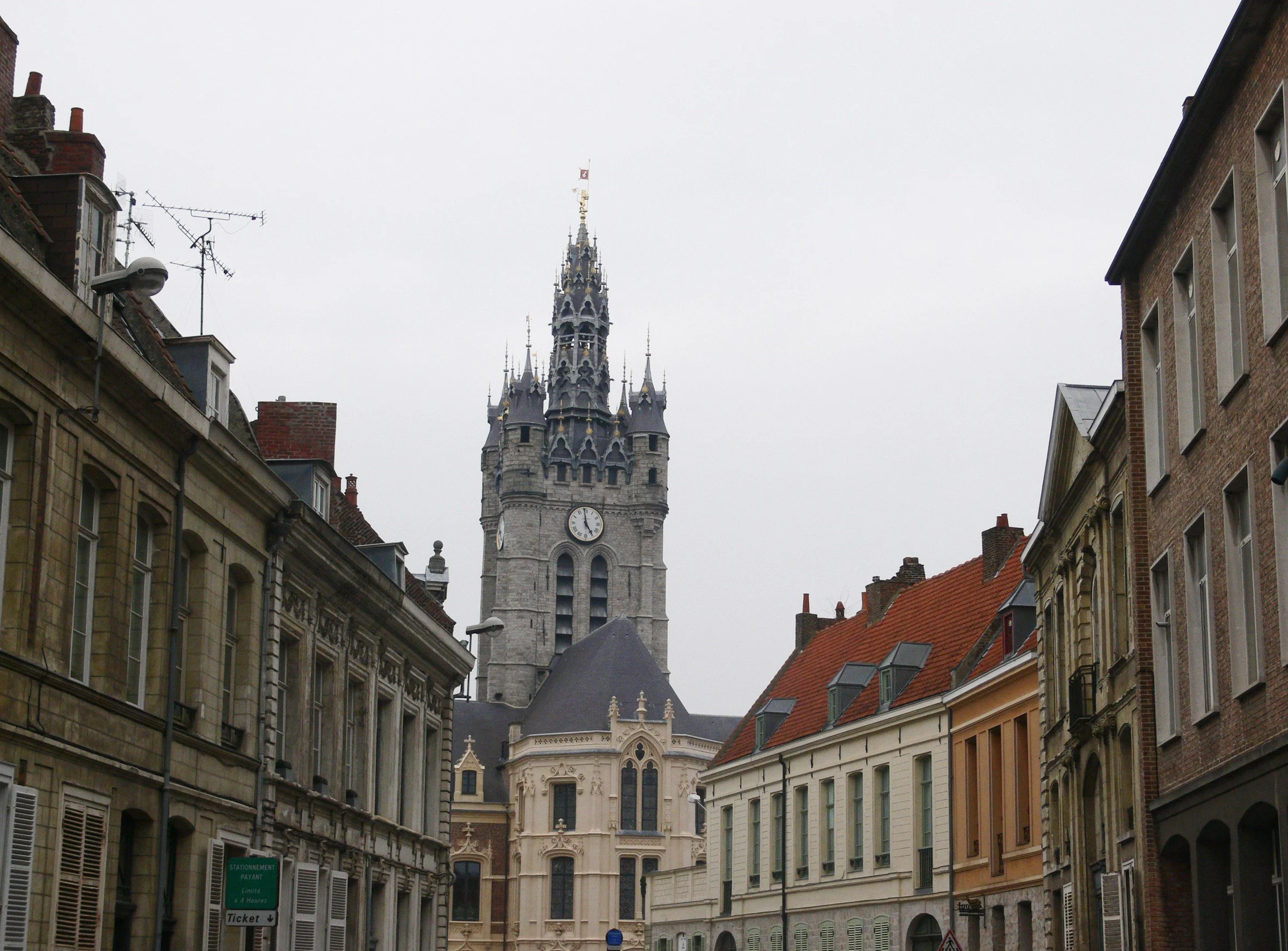
The town hall and belfry of Douai, France, seen from a nearby street in March 2012. Photo: Remi Mathis, CC BY-SA 3.0, via Wikimedia Commons
The messages changed with the institution. Prayer. Fire. Market hours. Death. Assembly. Celebration. Protest. The physics stayed simple: raise a powerful resonant object high enough and one action becomes public over a much larger area.

Bells hang in the open arches of the belfry at the Spaso-Evfimiev Monastery in Suzdal, Russia, in July 2024. Photo: Perituss, CC0, via Wikimedia Commons
Modern communication made that function less necessary, but it did not make it meaningless. A tower bell still does something a phone notification does not. It addresses everyone within earshot without asking who subscribed first.
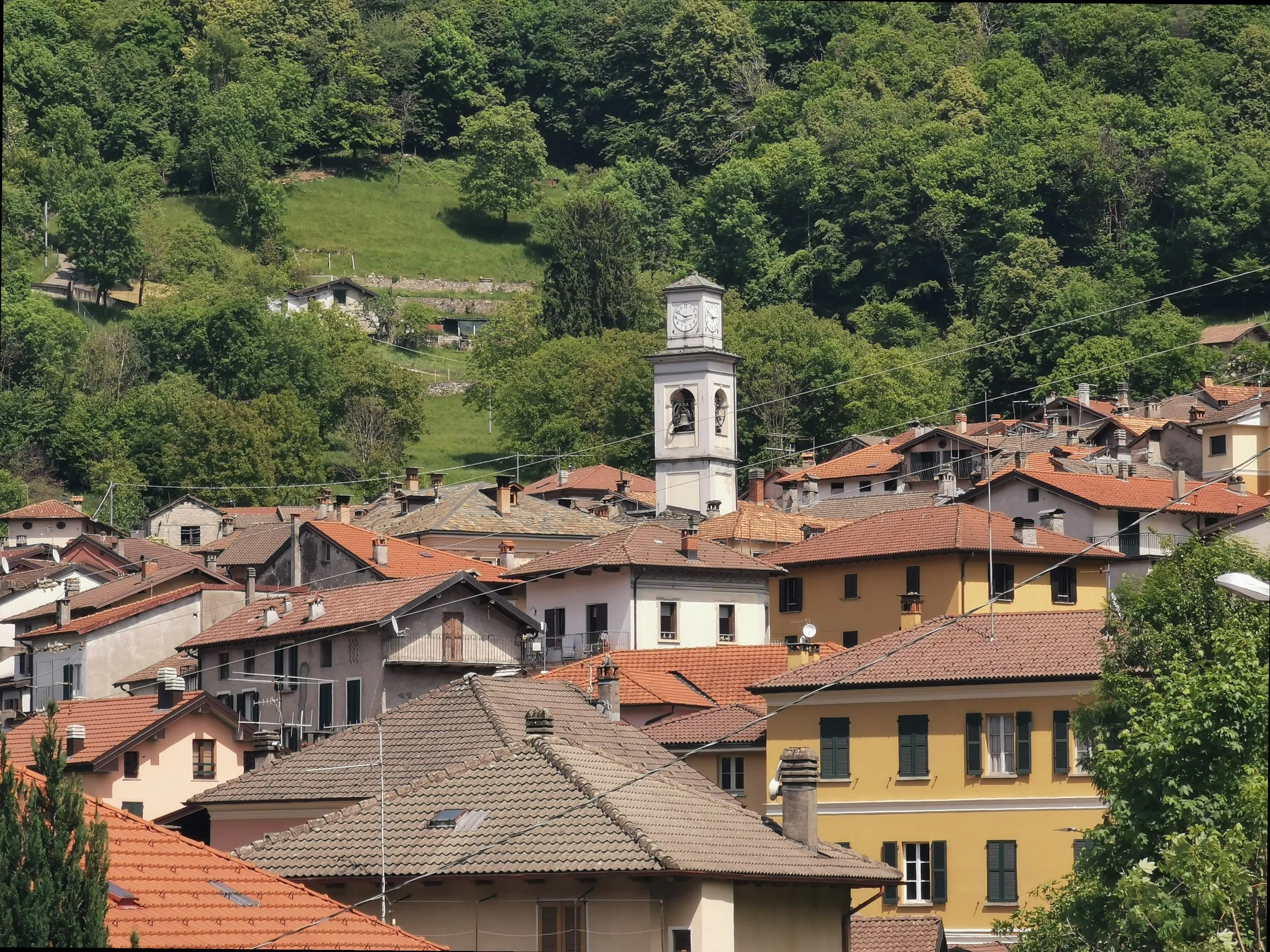
The bell tower of the church of San Giovanni Battista in Schignano, Italy, with its clock above the bells, rises over the rooftops of Occagno in May 2025. Photo: Kaitu, CC0, via Wikimedia Commons
