
A church bell and a bronze cannon are uncomfortably close relatives.
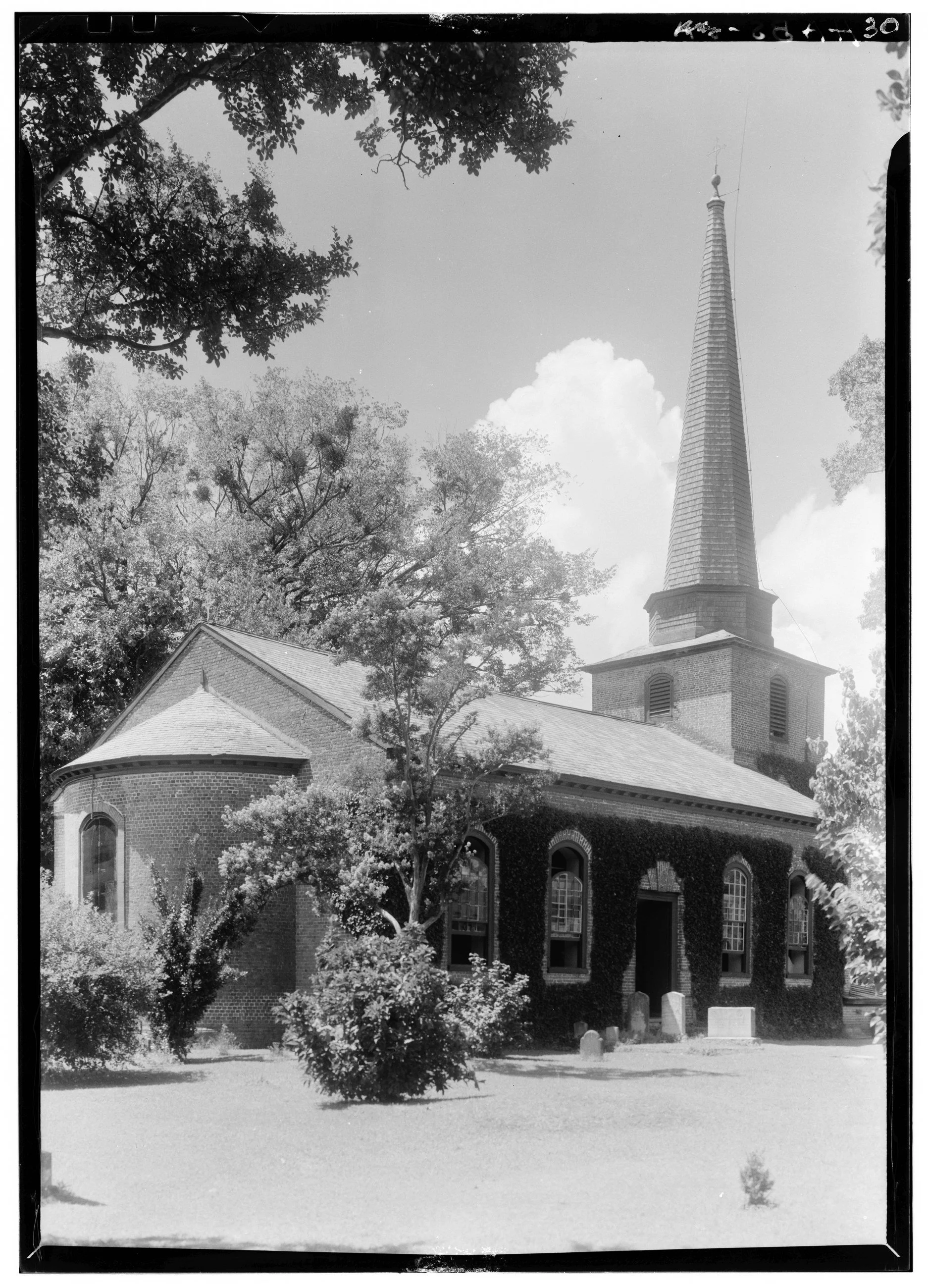
St. Paul's Episcopal Church in Edenton, North Carolina, photographed from the northeast in 1939 by Thomas T. Waterman for the Historic American Buildings Survey. During the Civil War the church donated its bell to arm a local Confederate artillery company, which was renamed the Edenton Bell Battery. Tredegar Iron Works in Richmond melted down four bells from the Edenton area and recast them as bronze cannon. The twelve-pounder made from this church's bell was named the St. Paul.
Photo: Thomas T. Waterman, Historic American Buildings Survey, Public domain, via Library of Congress and Wikimedia Commons
Both require large castings, expensive metal, furnaces, moulds, and skilled founders. In wartime that made bells obvious targets. During the American Civil War, communities including Edenton, North Carolina, surrendered bells for Confederate artillery. European governments later carried out requisitions on a scale that emptied thousands of towers.
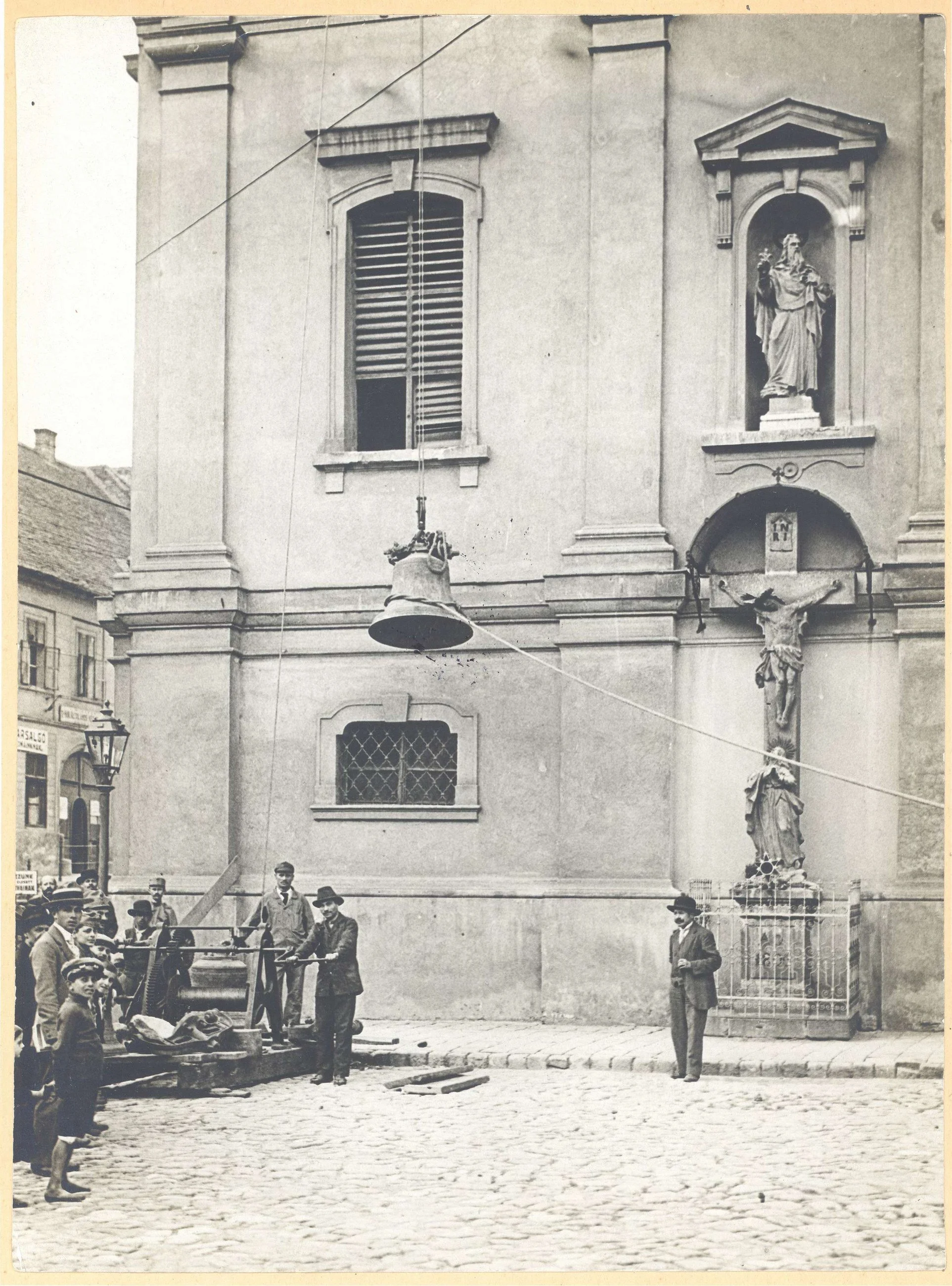
Bells being taken from Saint Catherine Church in the Tabán district of Budapest in 1916, during the First World War. Four larger 18th-century bells were removed from the tower and carried away to be melted down for military use. The sign on the building at left, 41 Attila körút, advertises a reading and meeting room for wounded and convalescing soldiers.
Photo: János Müllner, Public domain, via FSZEK Budapest Collection and Wikimedia Commons
The Second World War produced the most staggering example. Nazi authorities confiscated more than 175,000 bells across Europe, and historians estimate that roughly 150,000 were destroyed. Huge bell depots formed while experts sorted which examples might be culturally valuable enough to spare.
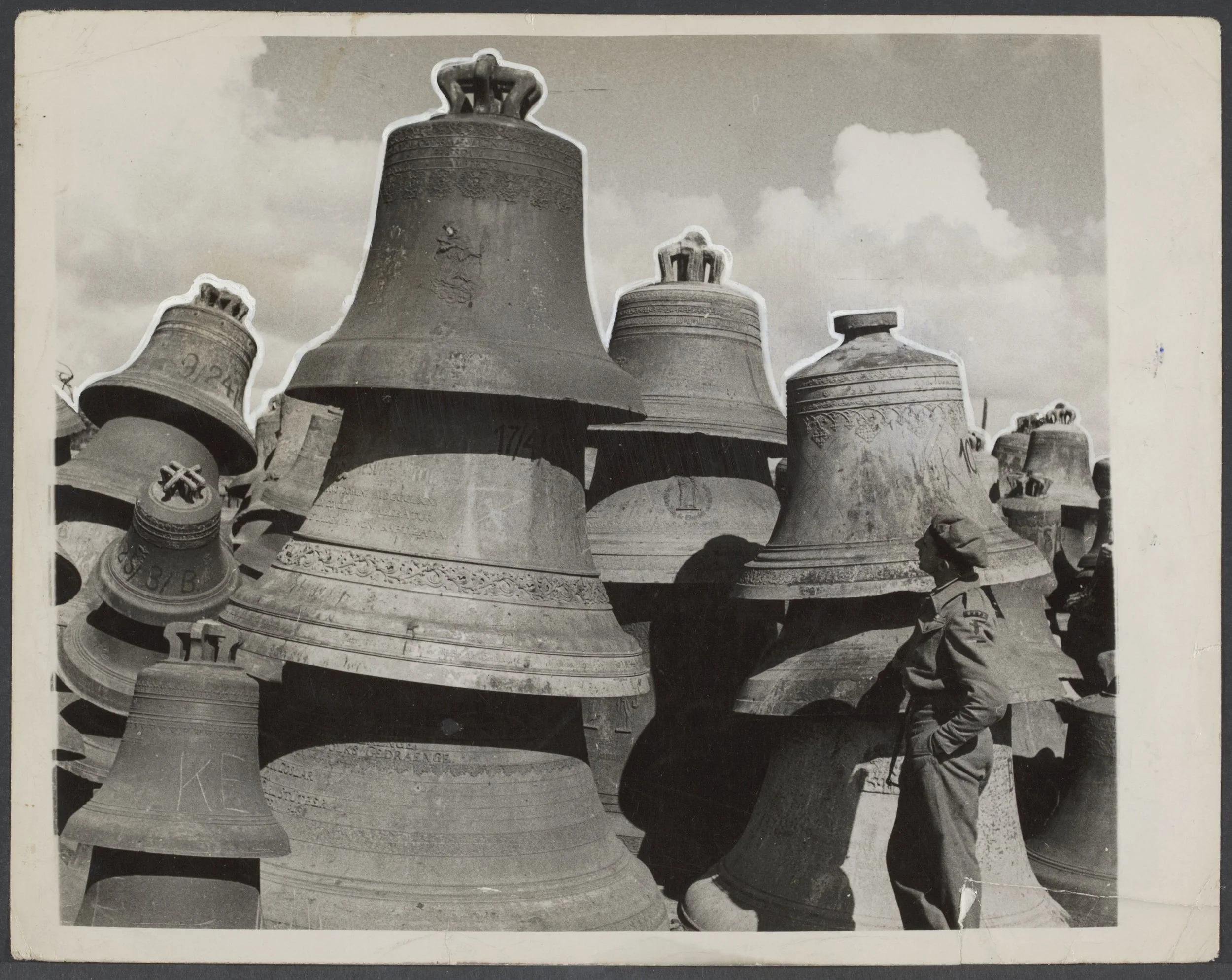
Church bells taken by the Germans, found in the port of Hamburg in August 1945. During the Second World War, bells requisitioned in Germany and the occupied countries went mainly to two Hamburg smelters, the Norddeutsche Affinerie and the Zinnwerke Wilhelmsburg. The Nazi administration sorted bells into categories A to D, with C and D covering historically valuable bells. At the end of the war well over 10,000 bells were still waiting for the furnace at the bell depot in Hamburg-Veddel, and more than 13,000 surviving bells stored in the Hamburg free port were later returned.
Photo: War Office, Public domain (CC0), via Nationaal Archief and Wikimedia Commons
The transformation has always carried an ugly symbolism because the material barely changes. Bronze that had announced weddings, funerals, fires, and feast days could be recast into something designed to kill the same people who once heard it ringing.
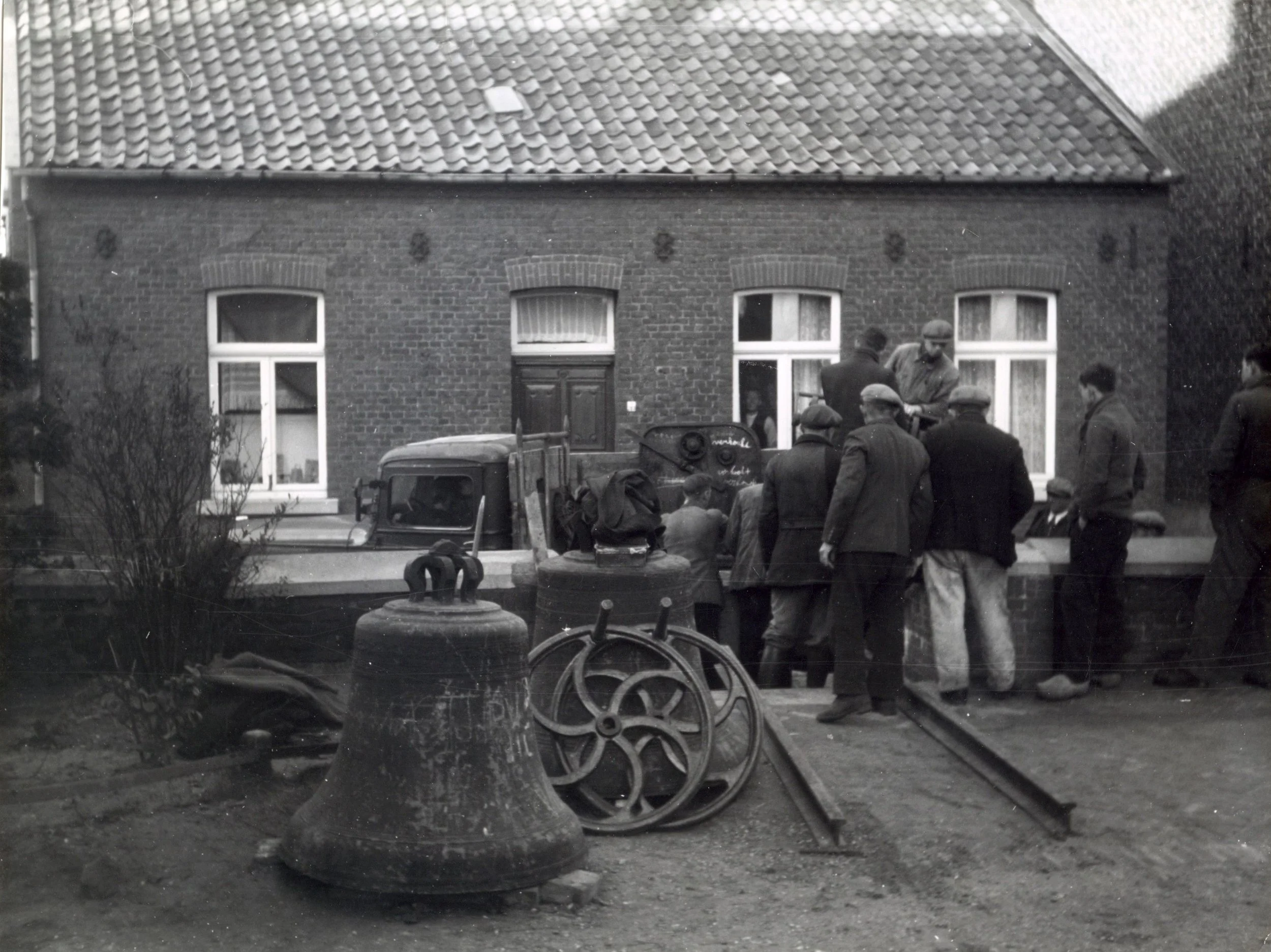
Confiscated church bells being loaded onto a truck in Arcen, Limburg, in the occupied Netherlands in 1942. In the Netherlands, bells were confiscated between late 1942 and early 1943, lowered from the church towers, gathered in depots, and shipped to Germany.
Photo: Wiel van der Randen, Public domain, via Spaarnestad Photo and Wikimedia Commons
