
Martin Luther King Jr. used “let freedom ring” as a national metaphor in 1963. Fifty years later, people answered him with actual bells.
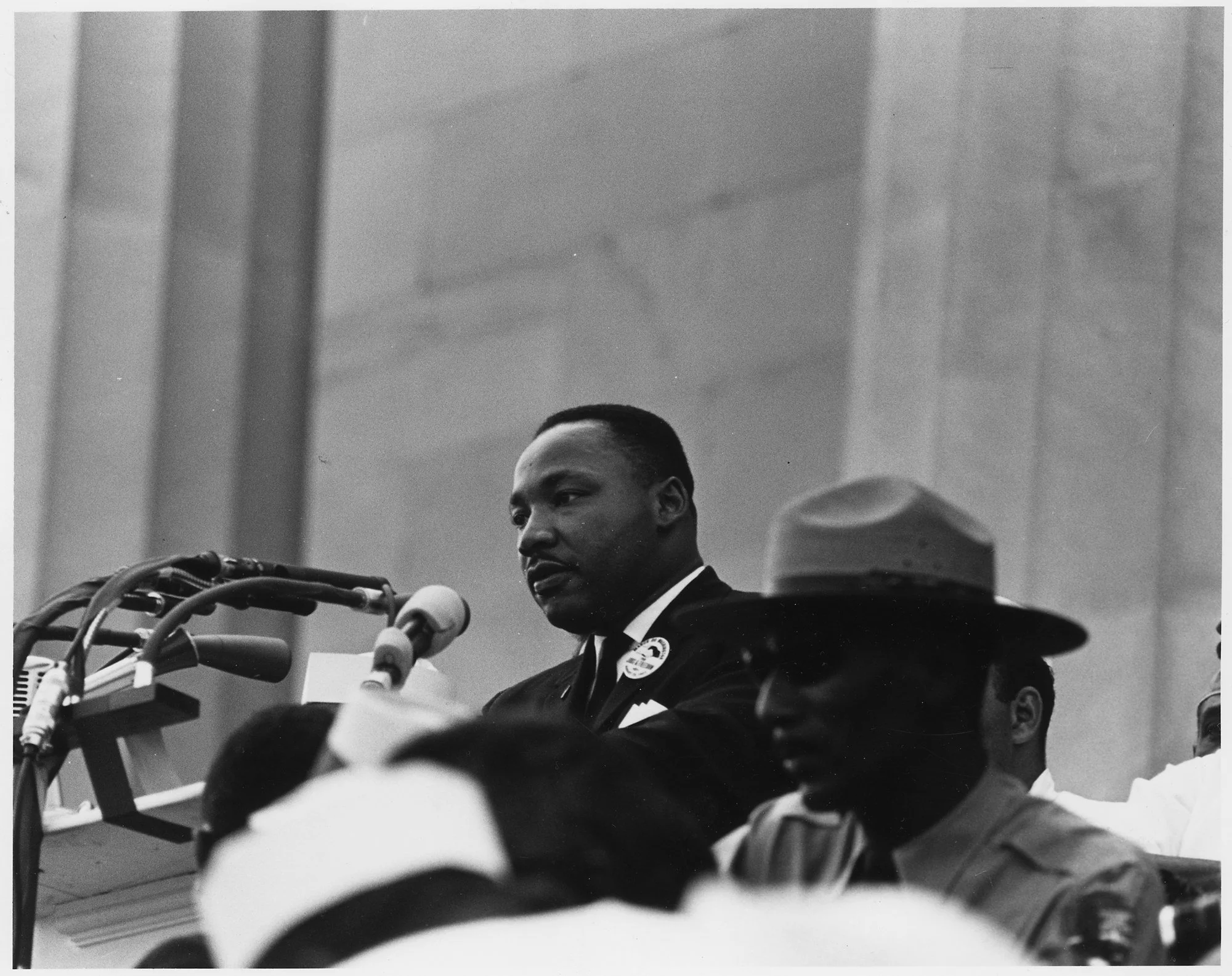
Martin Luther King Jr. speaks during the March on Washington for Jobs and Freedom on August 28, 1963. The photograph was made for the U.S. Information Agency. Photo: Rowland Scherman, Public domain, via U.S. National Archives and Wikimedia Commons
On August 28, 2013, the fiftieth anniversary of the March on Washington, bells rang at commemorations across the United States and in other countries. At the Lincoln Memorial, members of the King family rang a bell from Birmingham’s 16th Street Baptist Church, the church bombed in September 1963.
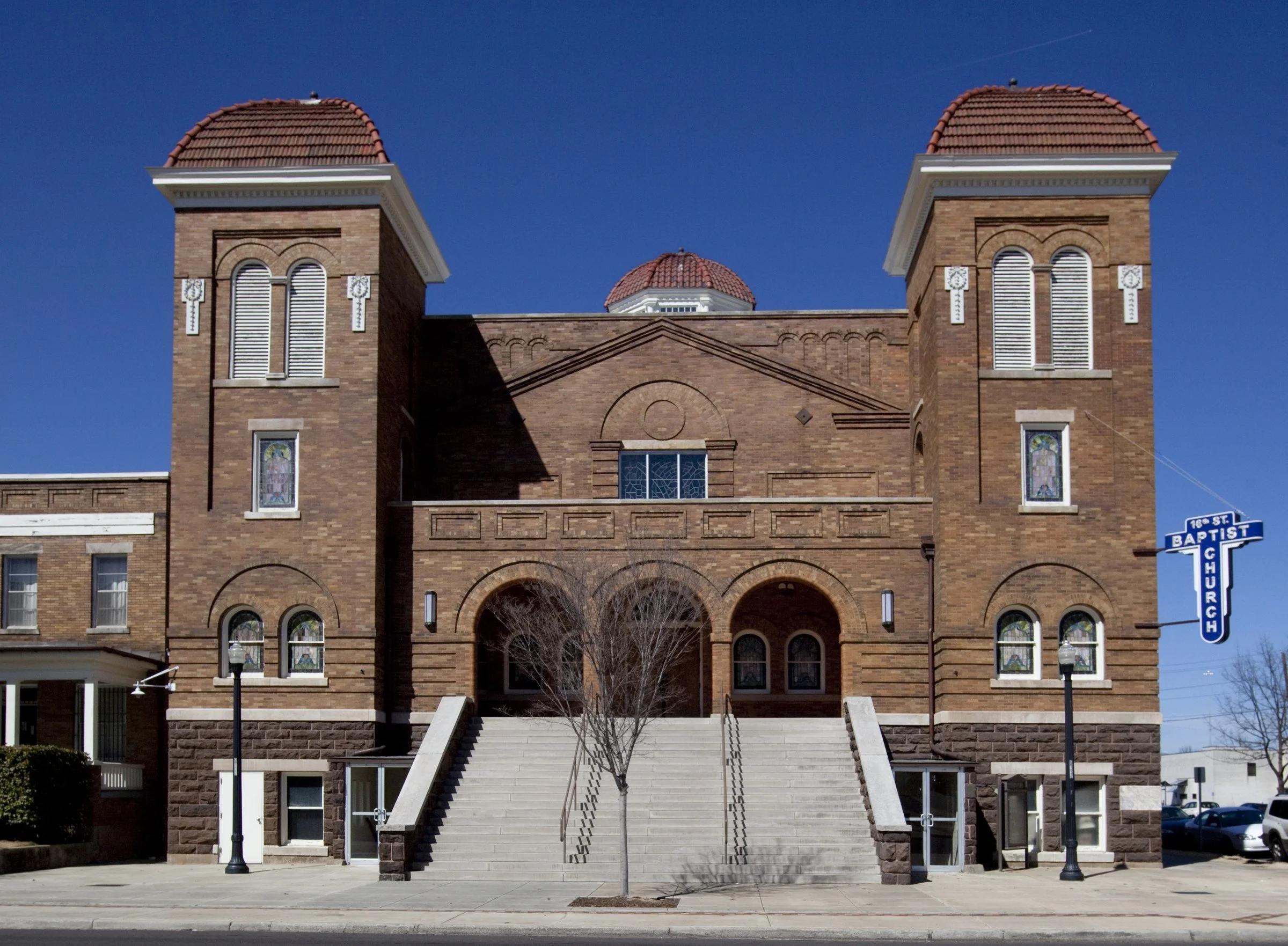
The Sixteenth Street Baptist Church in Birmingham, Alabama, photographed in 2010. The church served as an organizational headquarters during the civil rights movement. On Sunday, September 15, 1963, members of the Ku Klux Klan planted dynamite outside the church basement, and the explosion killed four young girls. Photo: Carol M. Highsmith, Public domain, via Library of Congress and Wikimedia Commons
The gesture worked because King’s language had already fused geography and sound: every village, every hamlet, every state, every city. The anniversary turned that language into a distributed public ritual.
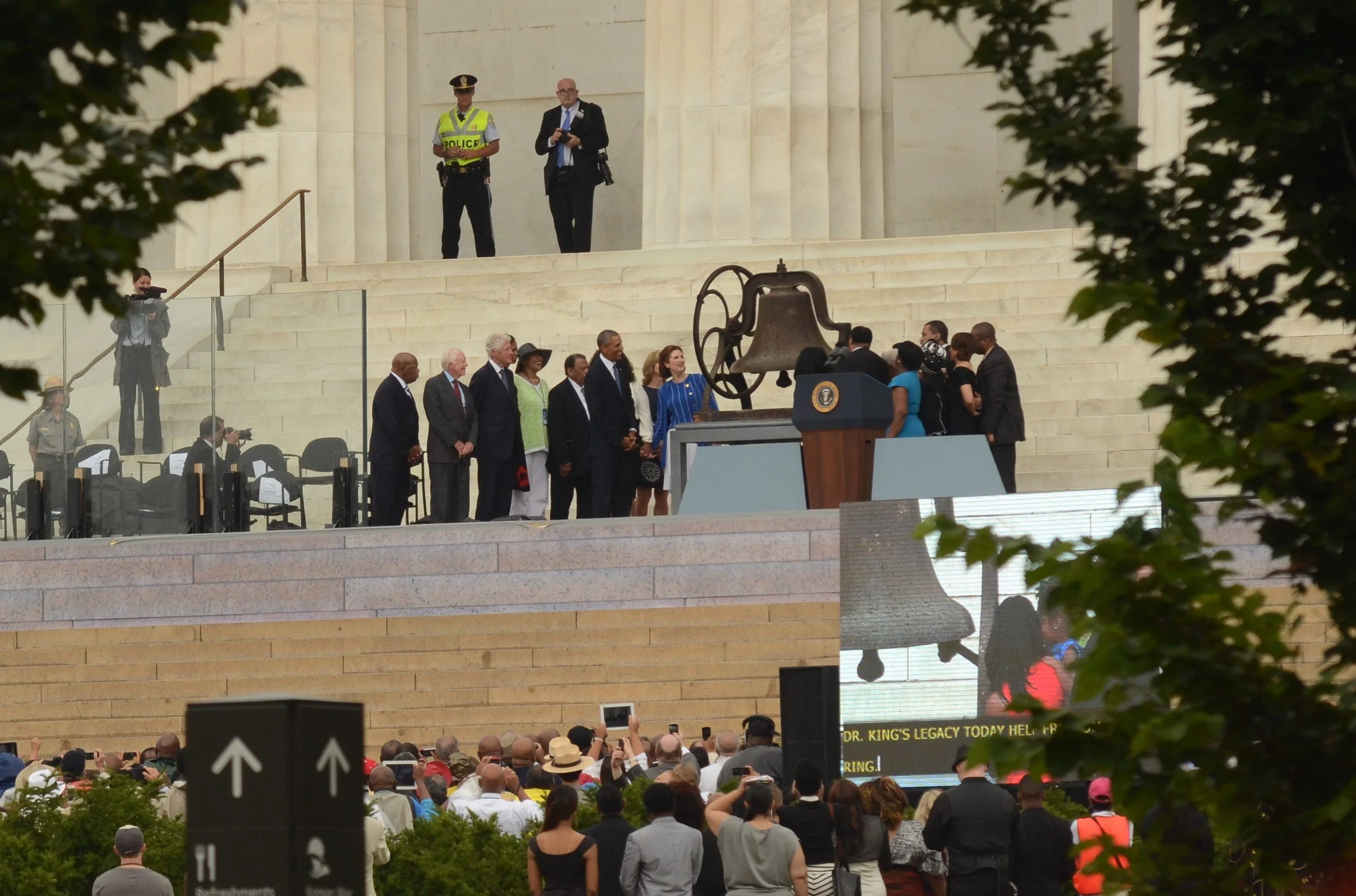
The bell from Birmingham’s 16th Street Baptist Church is rung at the Lincoln Memorial on August 28, 2013, during the 50th anniversary commemoration of the March on Washington. A screen at right shows the bell up close. Photo: Lance Cheung/USDA, Public domain, via U.S. Department of Agriculture and Wikimedia Commons
It is better history than claiming a nationwide bell response happened immediately after the original speech. The large coordinated ringing belongs to the 2013 commemoration, and it carried fifty years of memory with it.
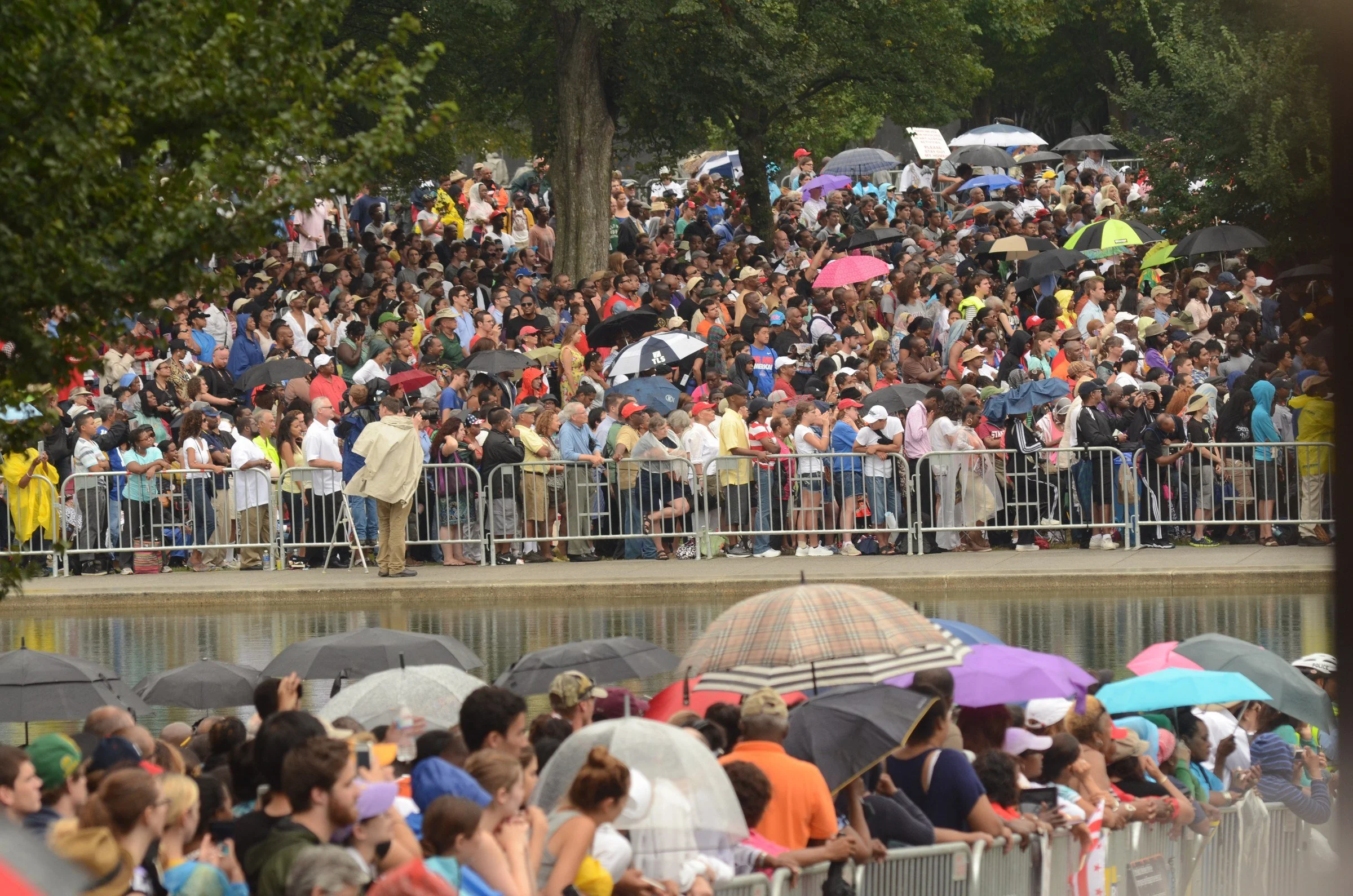
Marchers along the Reflecting Pool listen to speakers at the Lincoln Memorial on August 28, 2013, the 50th anniversary of the March on Washington. Photo: Lance Cheung/USDA, Public domain, via U.S. Department of Agriculture and Wikimedia Commons
