
A high tower solved two problems at once: somebody could see farther, and the bell could be heard farther.
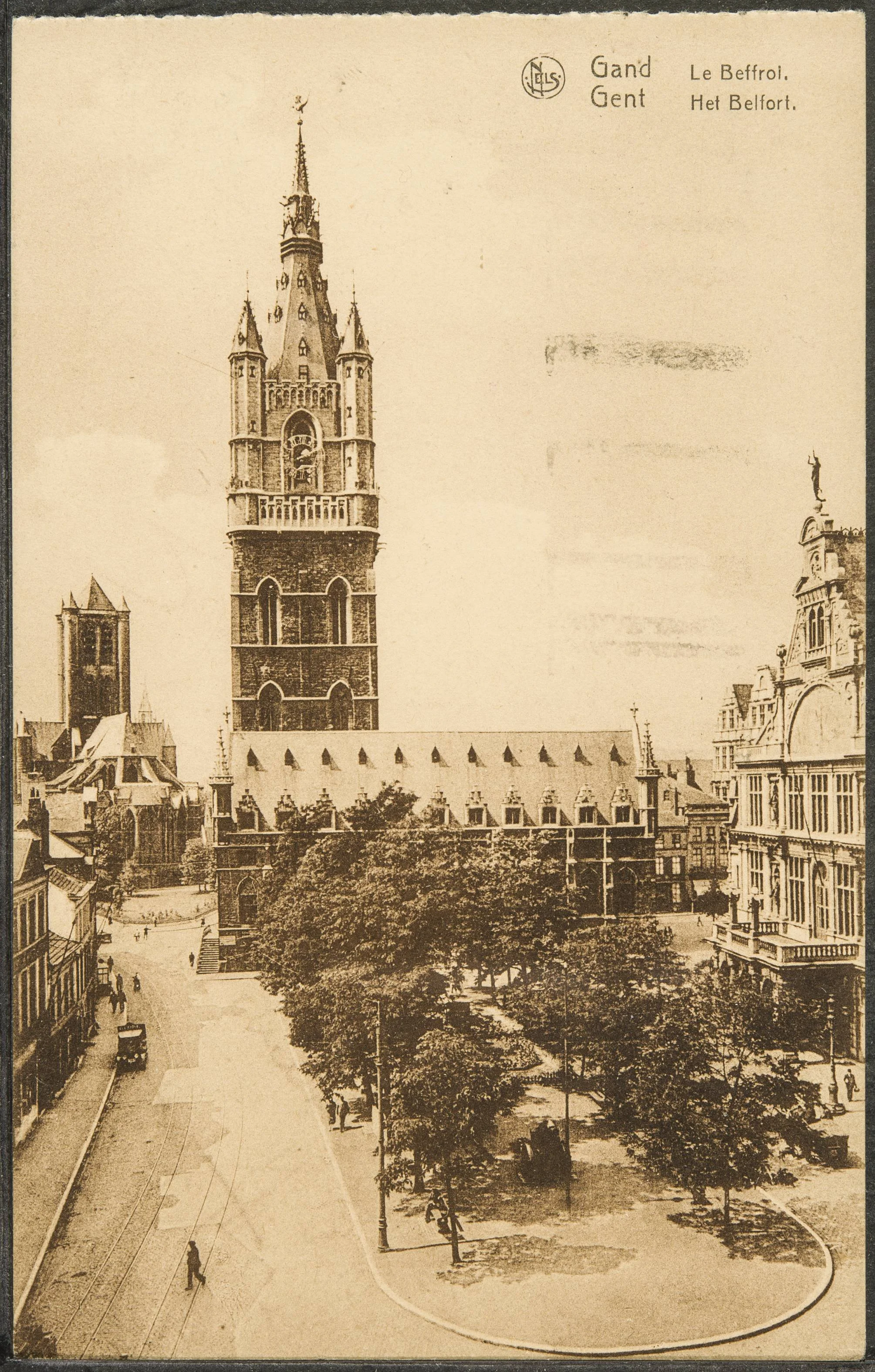
The Belfry of Ghent (Het Belfort) on a postcard published by Thill in Brussels around 1930. Photo: Unknown photographer, Public domain, via KU Leuven Libraries and Wikimedia Commons
Ghent’s belfry, like other major civic towers, employed guards who watched the city and helped manage public time. Before accurate mechanical clocks, tower guards even had to correct the clock using a sundial. The same elevated post gave them a better chance of spotting fire or danger before people at street level did.
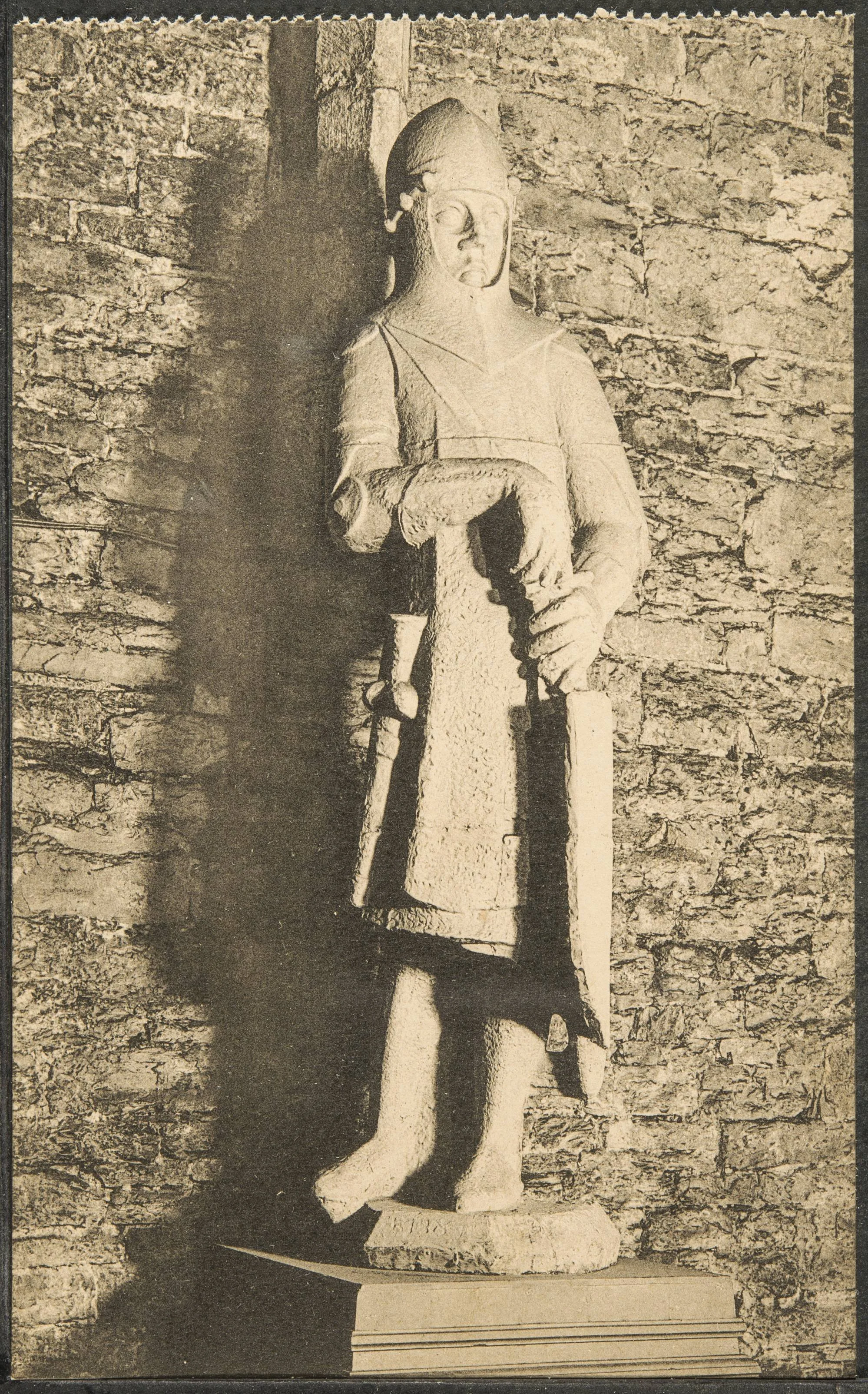
A postcard titled “Gent. Belfort. De torenwachter, van 1338” (Ghent. Belfry. The tower guard, from 1338), published by Thill in Brussels. It shows a stone statue of the guard standing against a brick wall. Photo: Unknown photographer, Public domain, via KU Leuven Libraries and Wikimedia Commons
Once a problem was seen, the bell converted private observation into a public alarm.
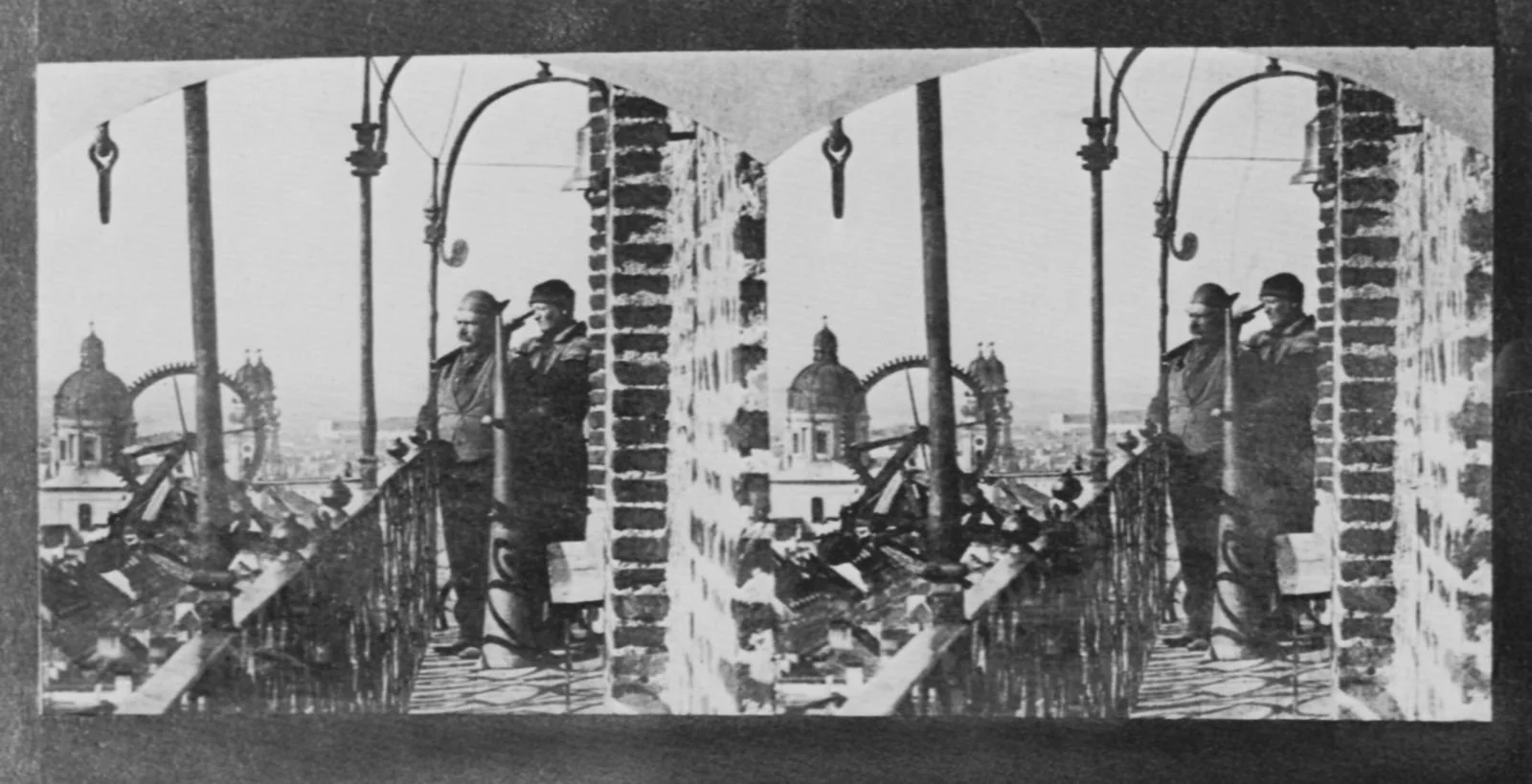
Feuerwächter auf der Peterskirche (Fire watchman on St. Peter’s Church), a stereo photograph by Georg Böttger taken around 1865 on the tower of St. Peter’s Church in Munich. Two men stand on the tower gallery high above the city. Photo: Georg Böttger, Public domain, via Wikimedia Commons
That combination explains why belfries mattered so much before modern communications. The tower was not only a loudspeaker. It was an observation platform connected directly to the loudspeaker.
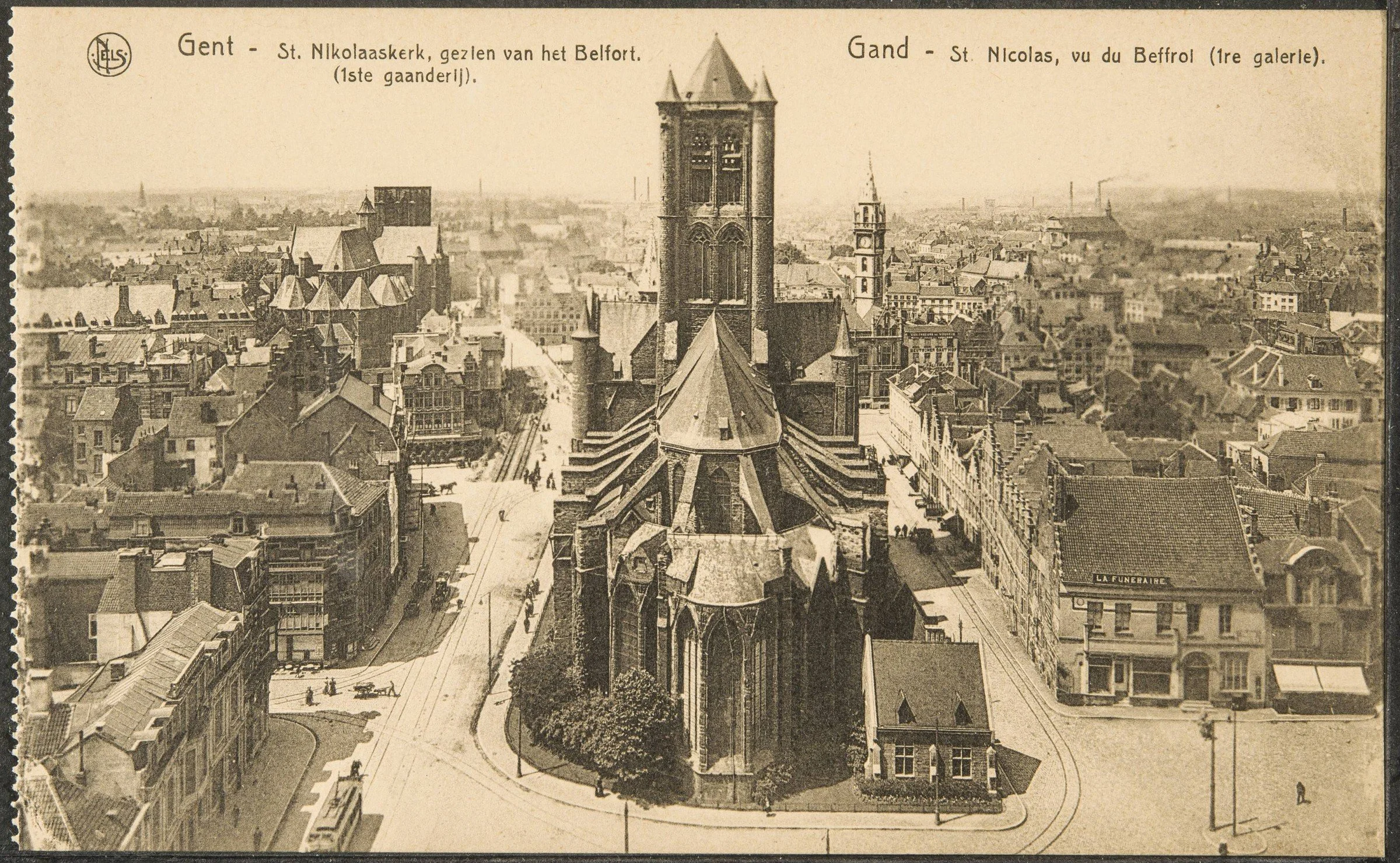
St. Nicholas’ Church (Sint-Niklaaskerk) and the rooftops of Ghent, seen from the first gallery of the belfry, on a postcard published by Thill in Brussels. Photo: Unknown photographer, Public domain, via KU Leuven Libraries and Wikimedia Commons
You could call it primitive infrastructure, but there is nothing primitive about the logic.
