
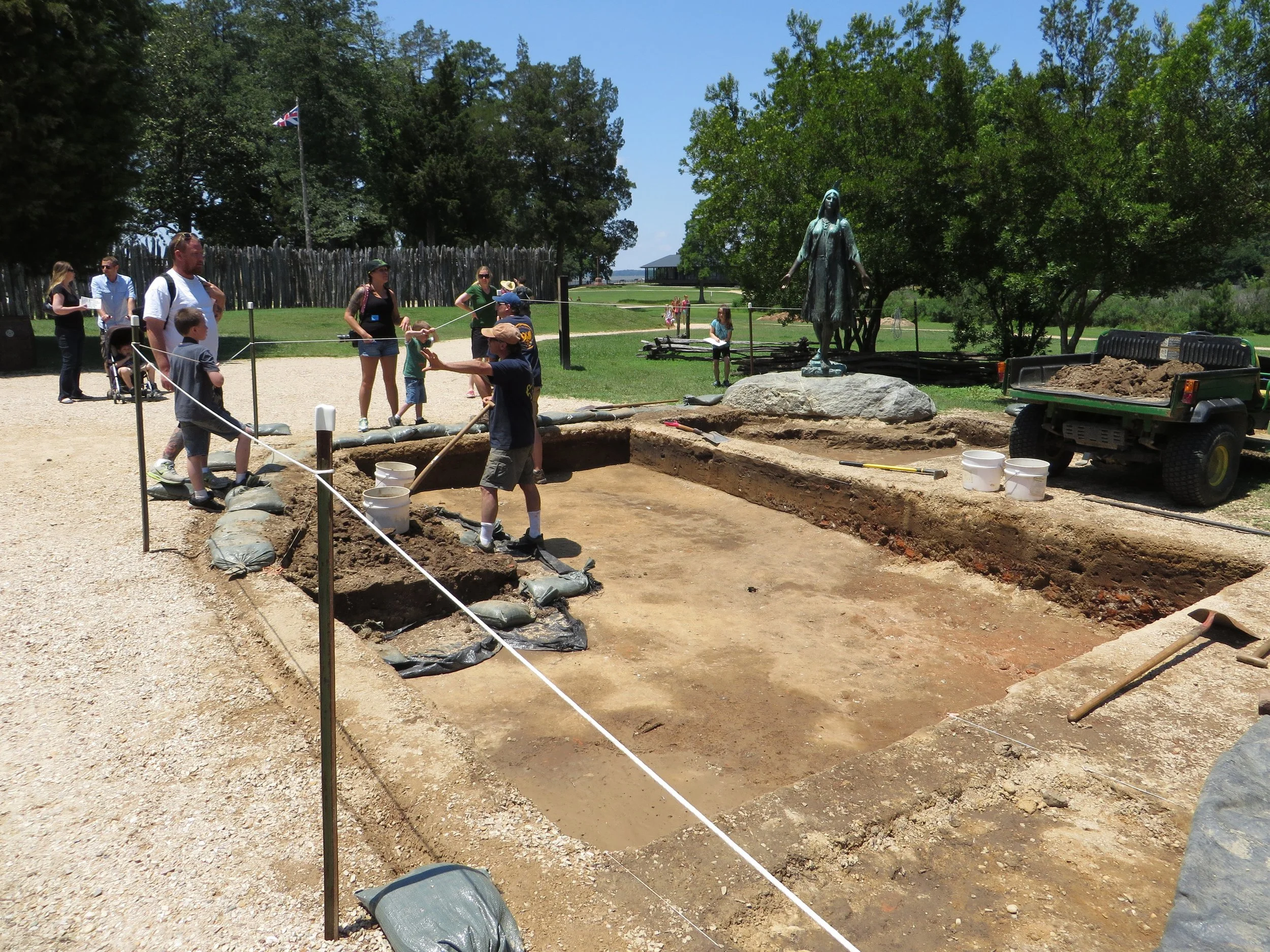
Archaeologists Rebuilt a Bell from Broken Pieces
Jamestown archaeologists had fragments of a bell that broke before 1610. Centuries later, a bellfounder used those pieces to reconstruct its shape.
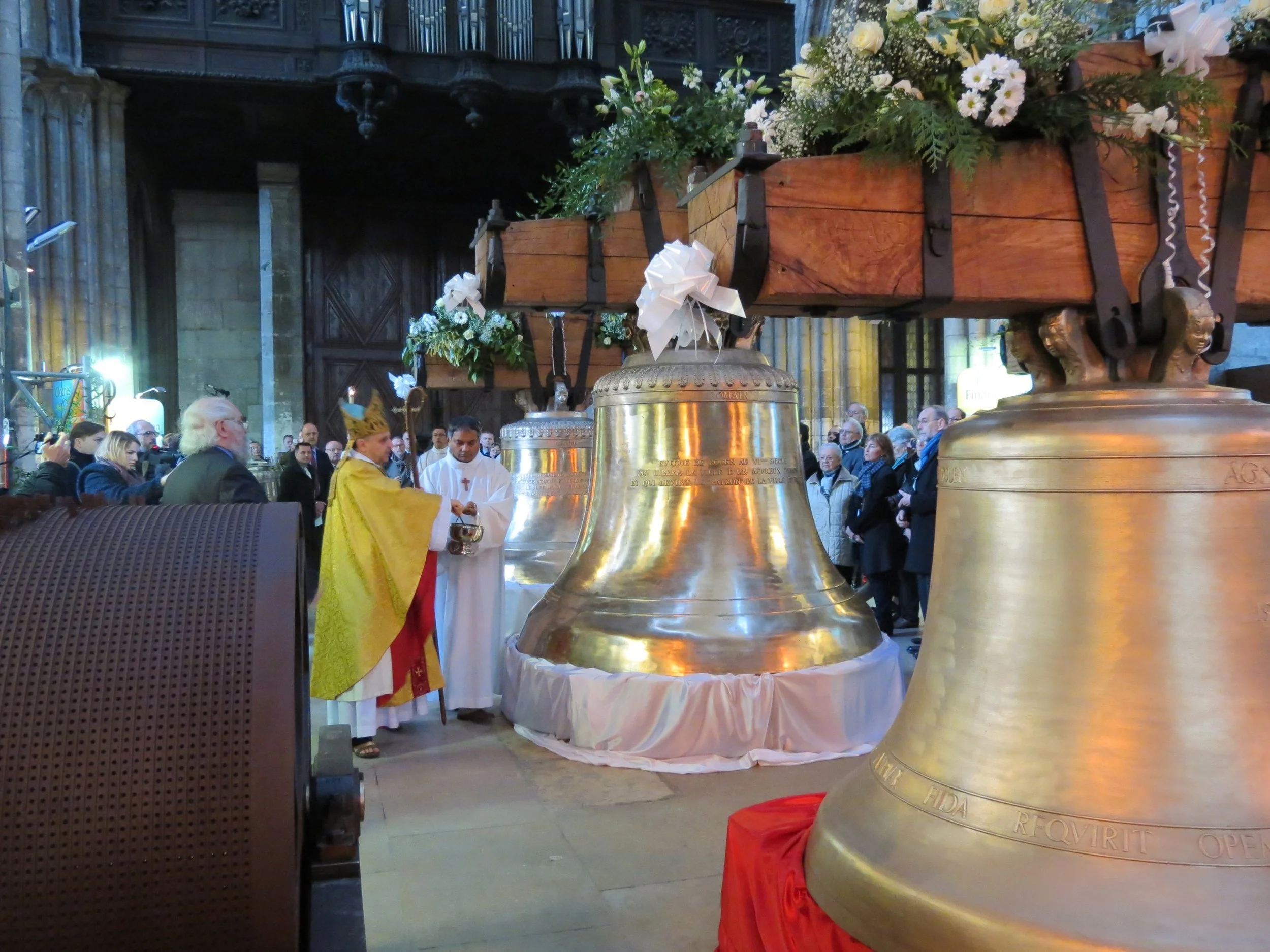
A Medieval Bell Could Be Washed, Anointed, Incensed, and Named
Before a bell entered service, medieval and later Catholic rites could treat it with a level of ceremony that sounds almost personal.
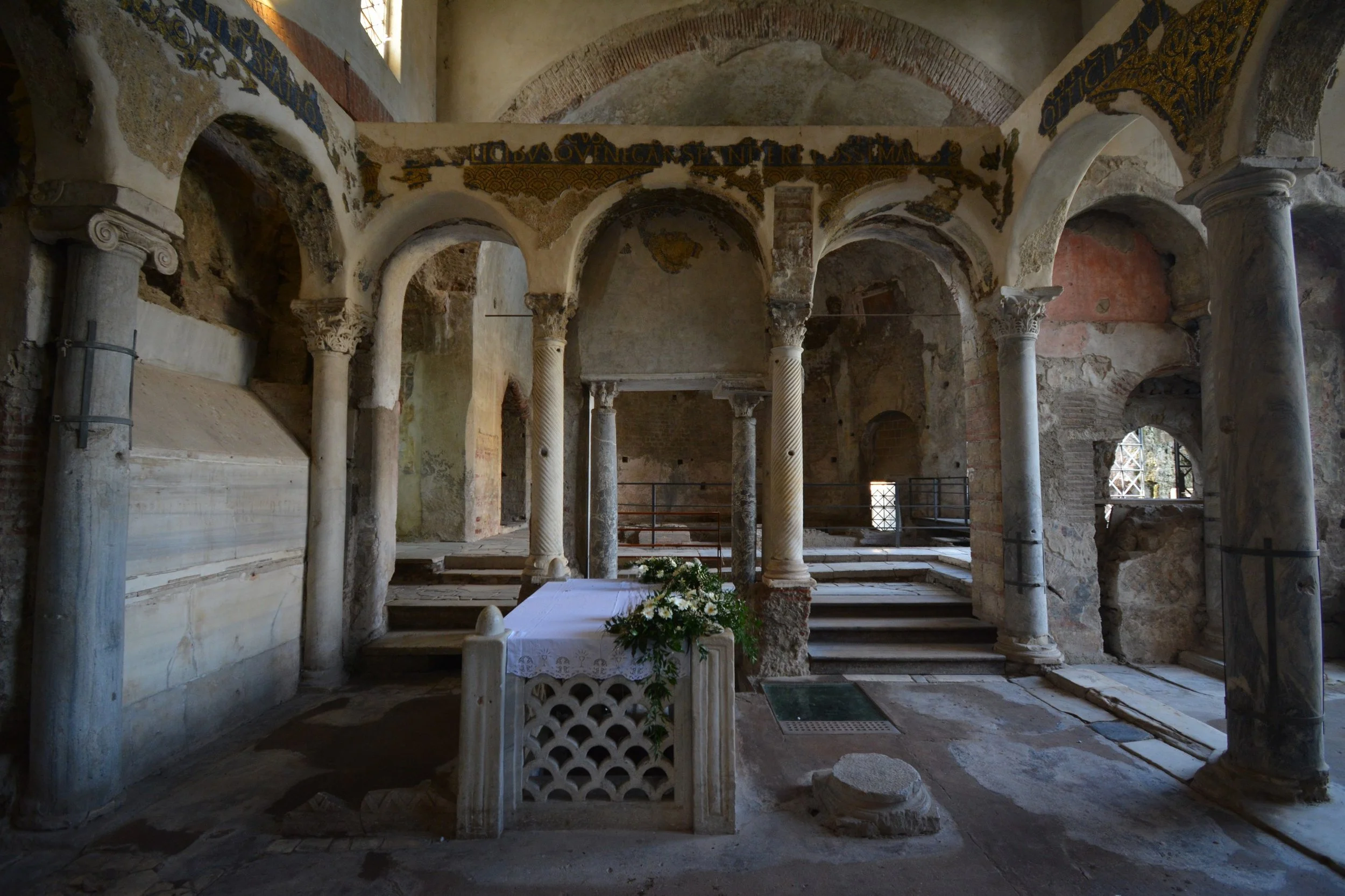
The Man Who Probably Did Not Invent Church Bells
Paulinus of Nola has been credited with introducing church bells for centuries. The evidence does not cooperate.
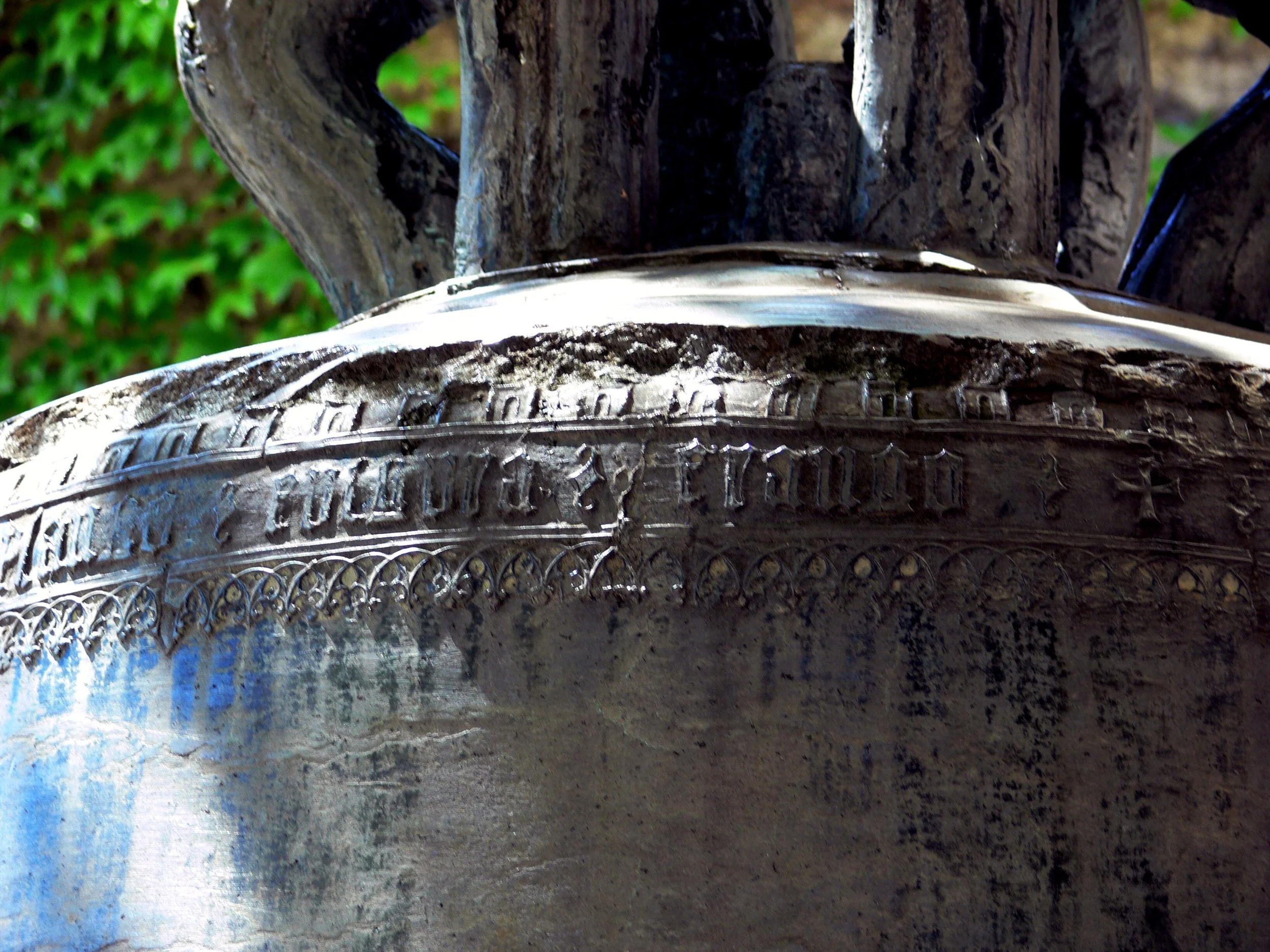
People Rang Church Bells at Thunderstorms
For centuries, Europeans climbed into bell towers during storms because they believed a consecrated bell could help drive dangerous weather away.
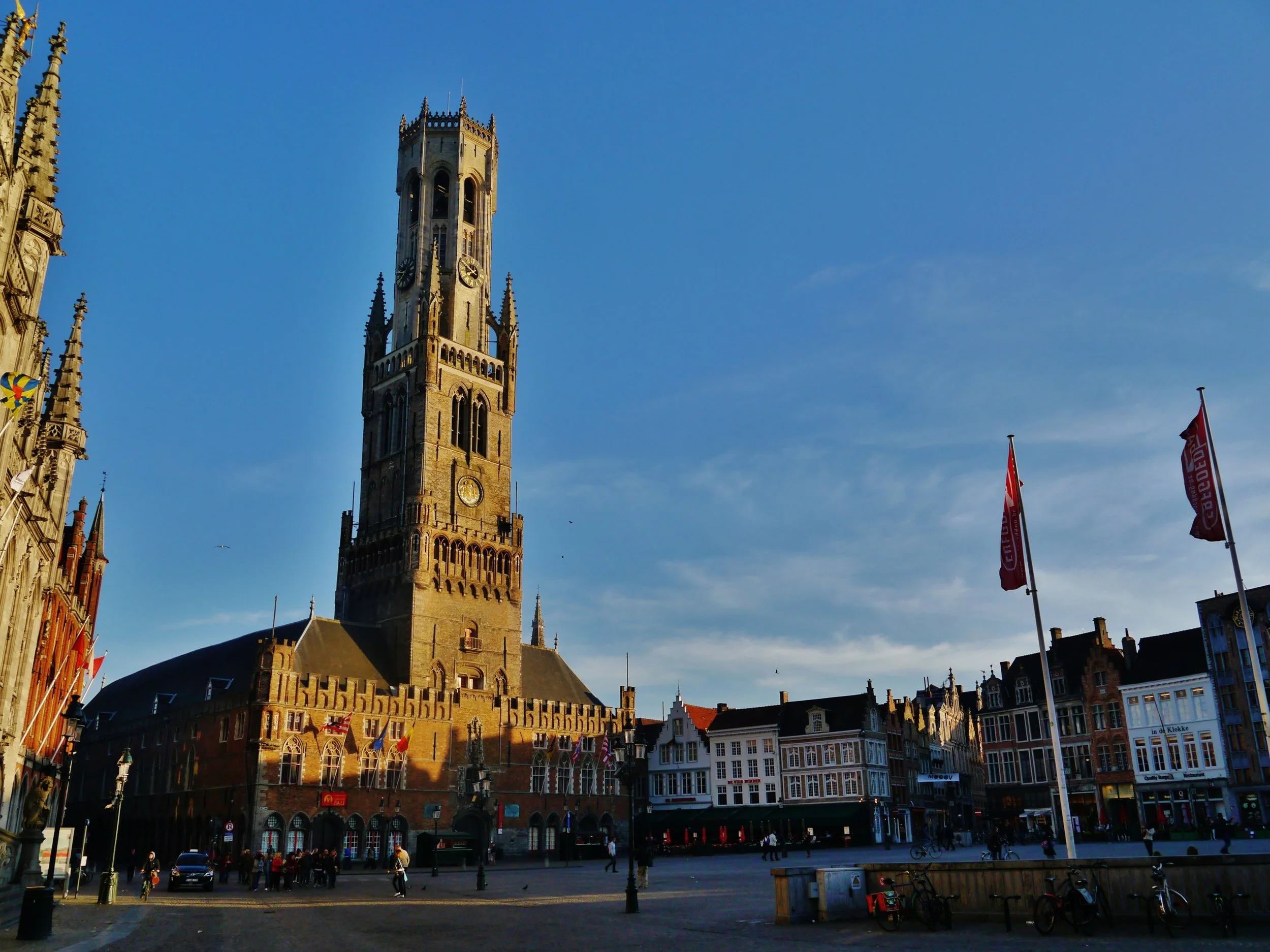
The Market Opened When the Bell Said It Did
Medieval town bells did not only summon worshippers. They also regulated commerce.
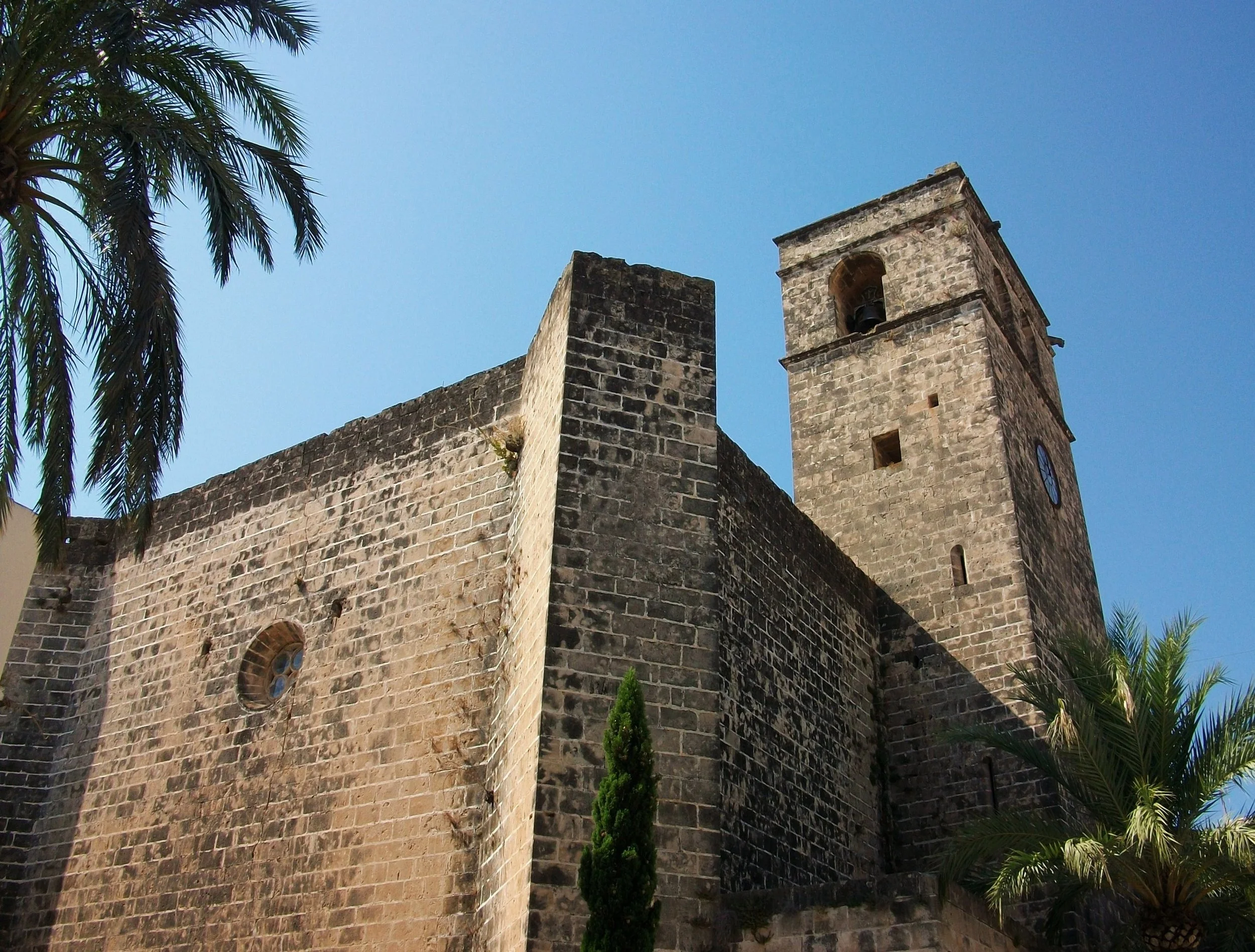
The Rebato Meant Get to the Walls
In Spain, the word rebato carried the sense of sudden alarm, especially a warning that called people to arms.
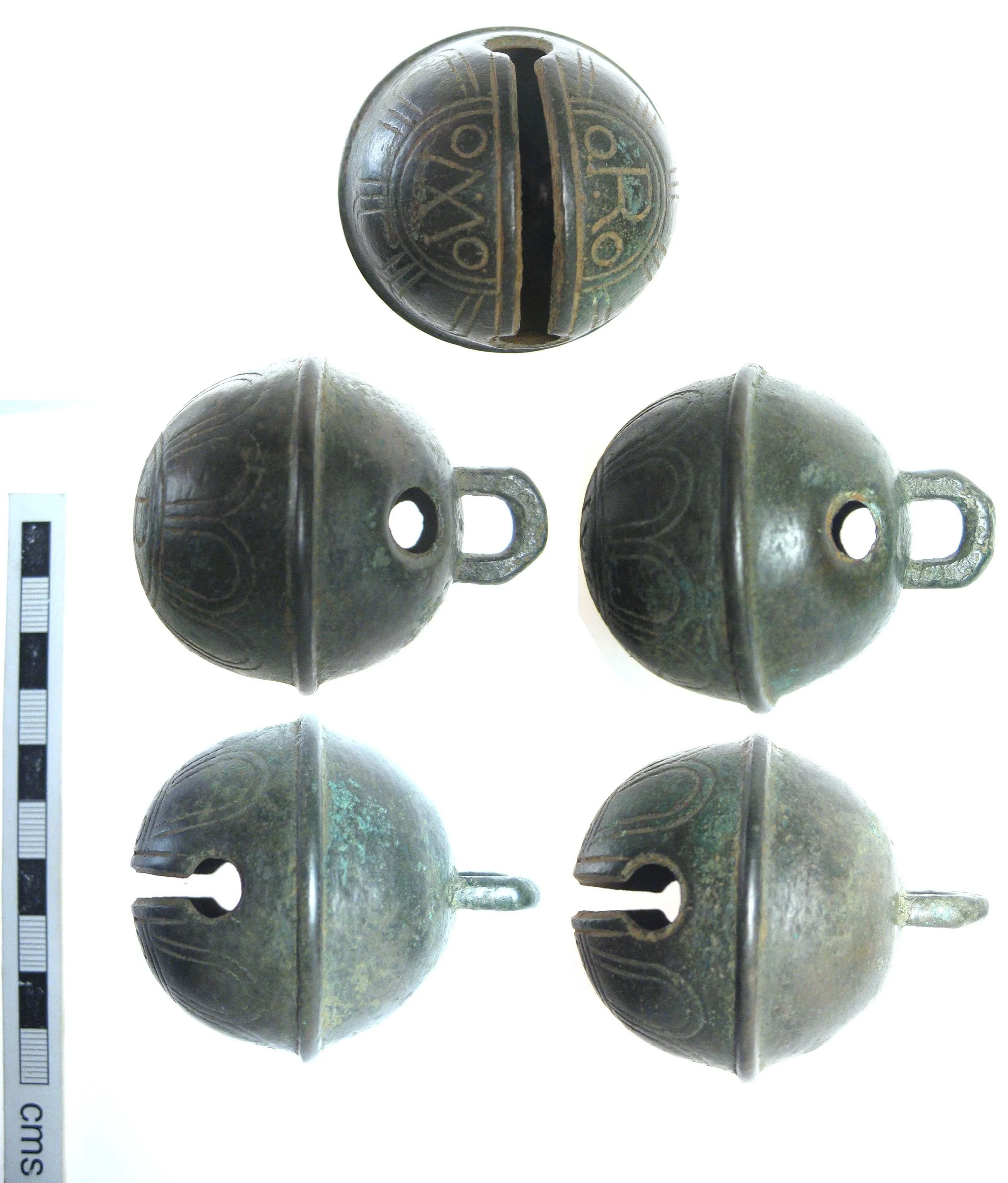
A Gunsmith Village Learned to Make Bells in Tune
Aldbourne’s bell industry grew out of a trade that already knew furnaces, copper alloys, and precision metalwork.
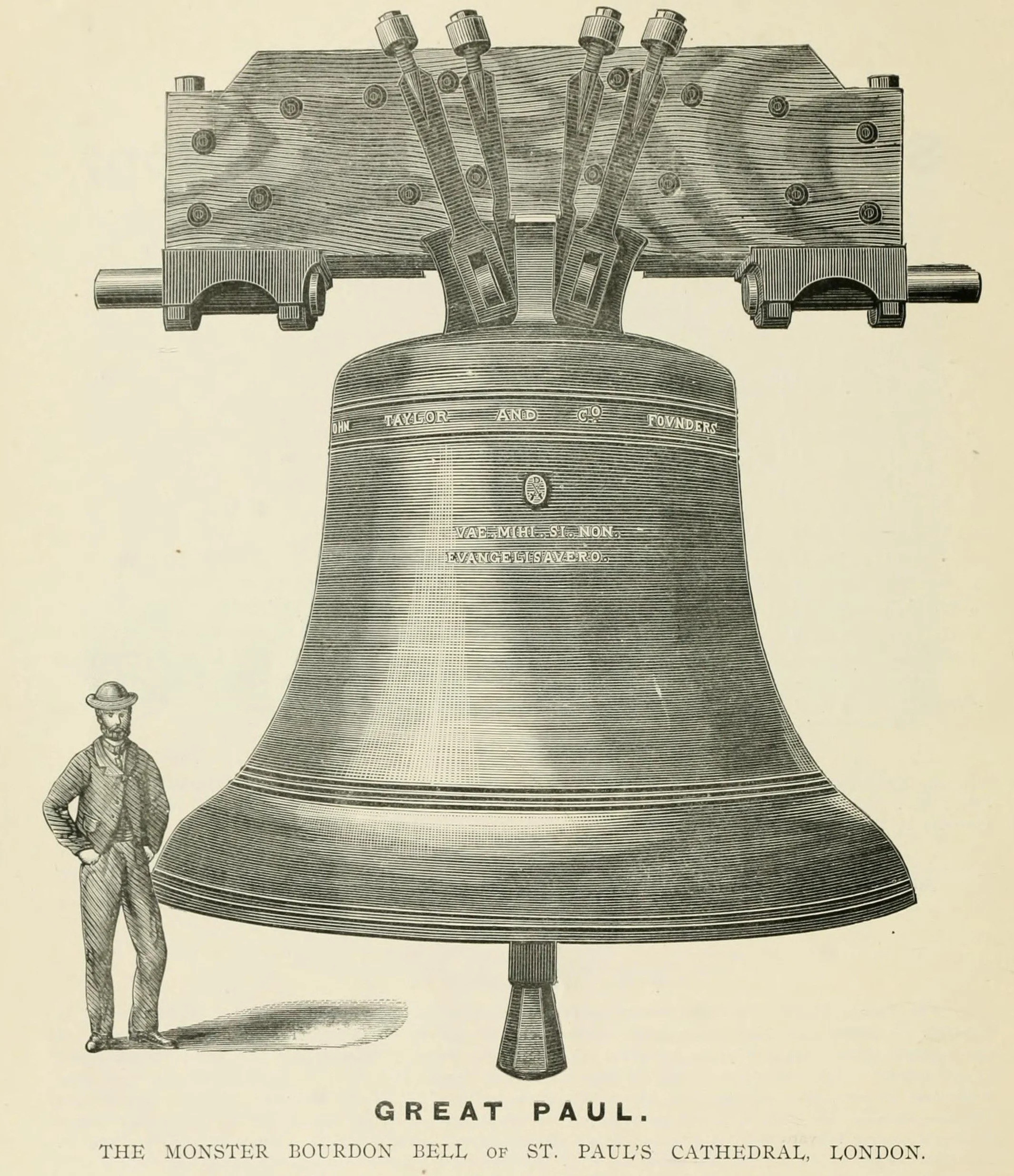
Great Paul Was Too Big for Ordinary Ringing
Great Paul weighs 16.75 imperial tons, and St Paul’s Cathedral does not use it as an ordinary clock bell.
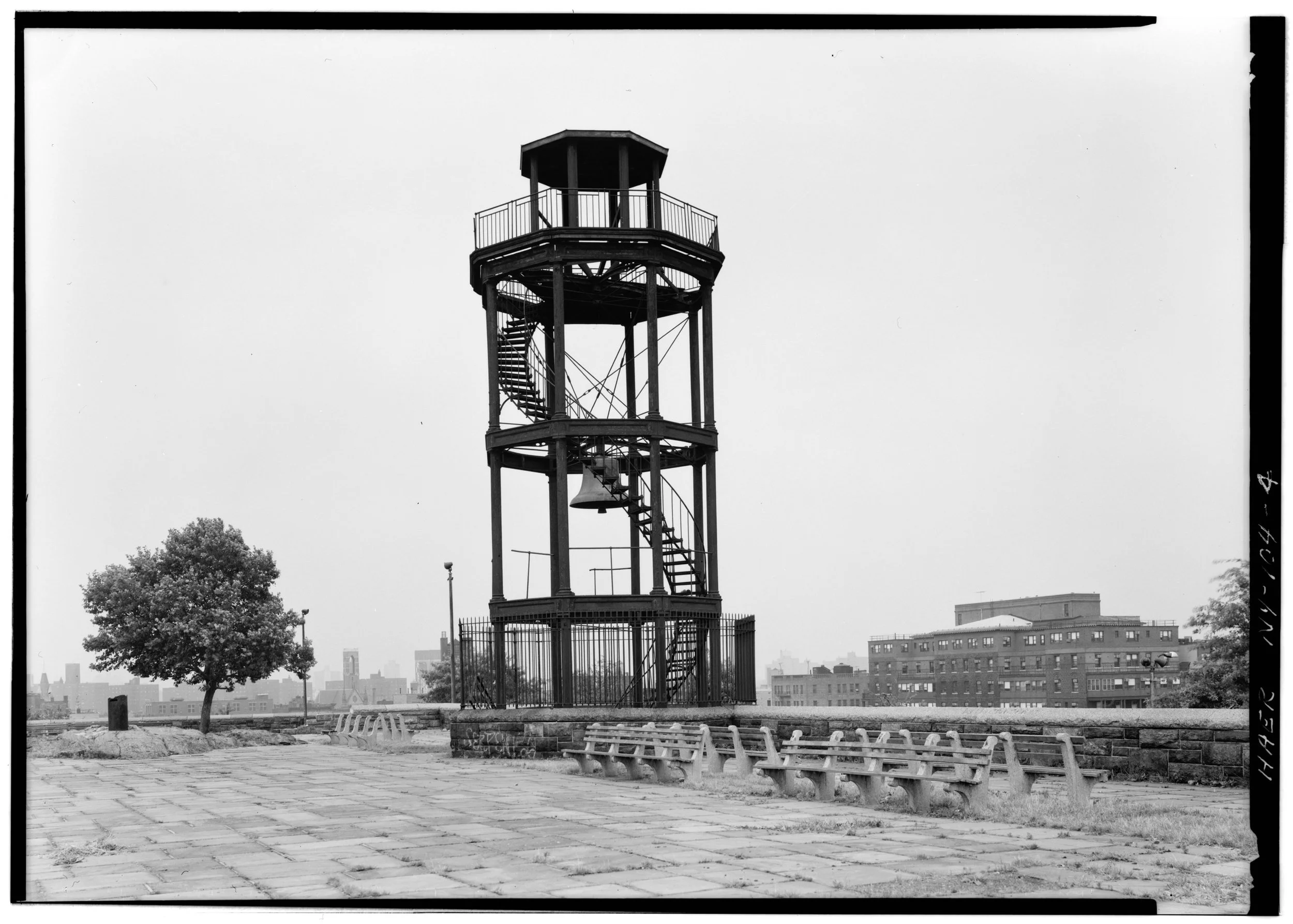
Before Sirens, Fire Had a Bell
A fire alarm once meant somebody grabbed a bell rope and made the entire town listen.
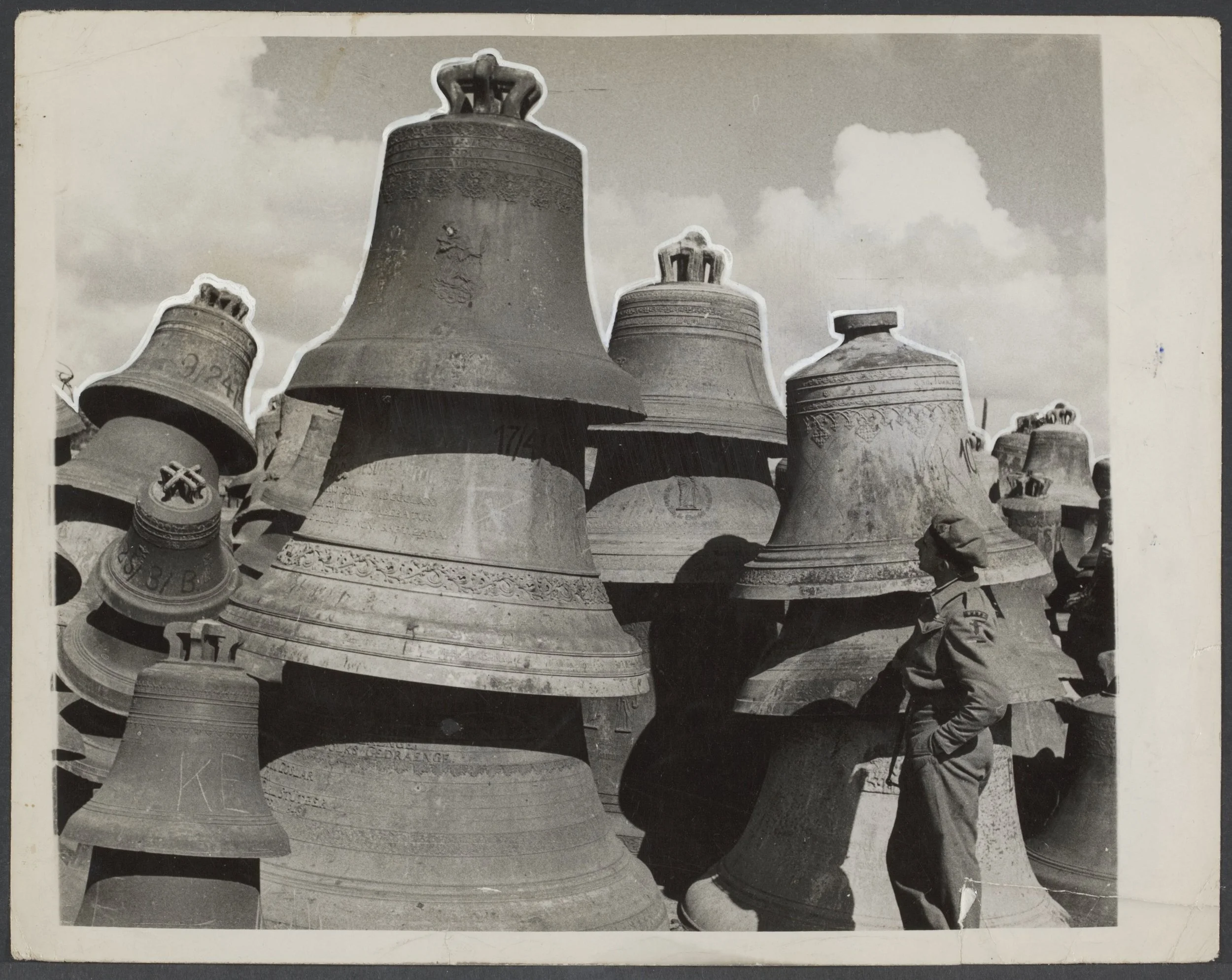
When Bells Became War Material
A church bell and a bronze cannon are uncomfortably close relatives.
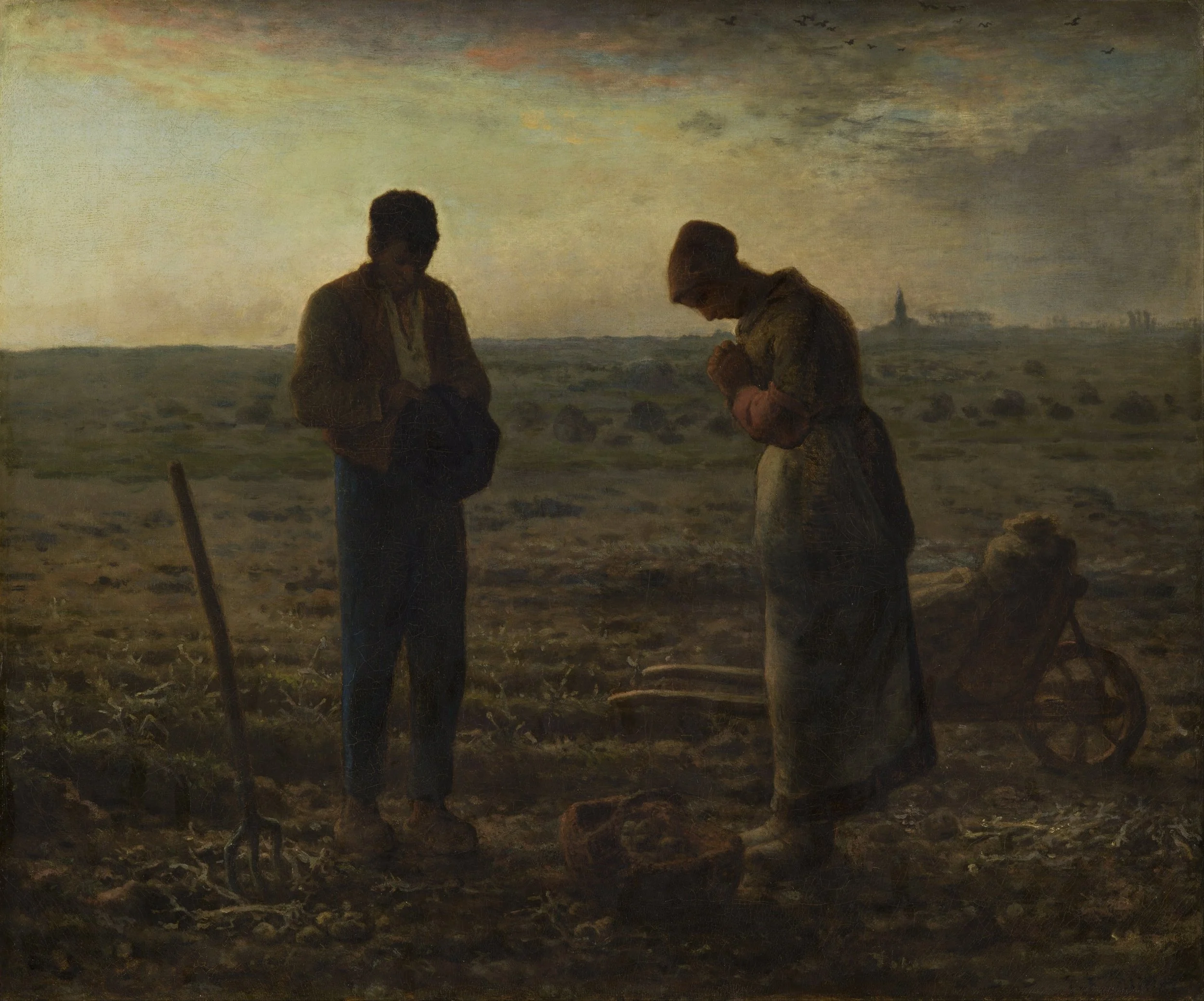
Three Times a Day, the Bell Interrupted Everything
The Angelus made prayer audible beyond the church walls, marked by bells in the morning, at noon, and in the evening.
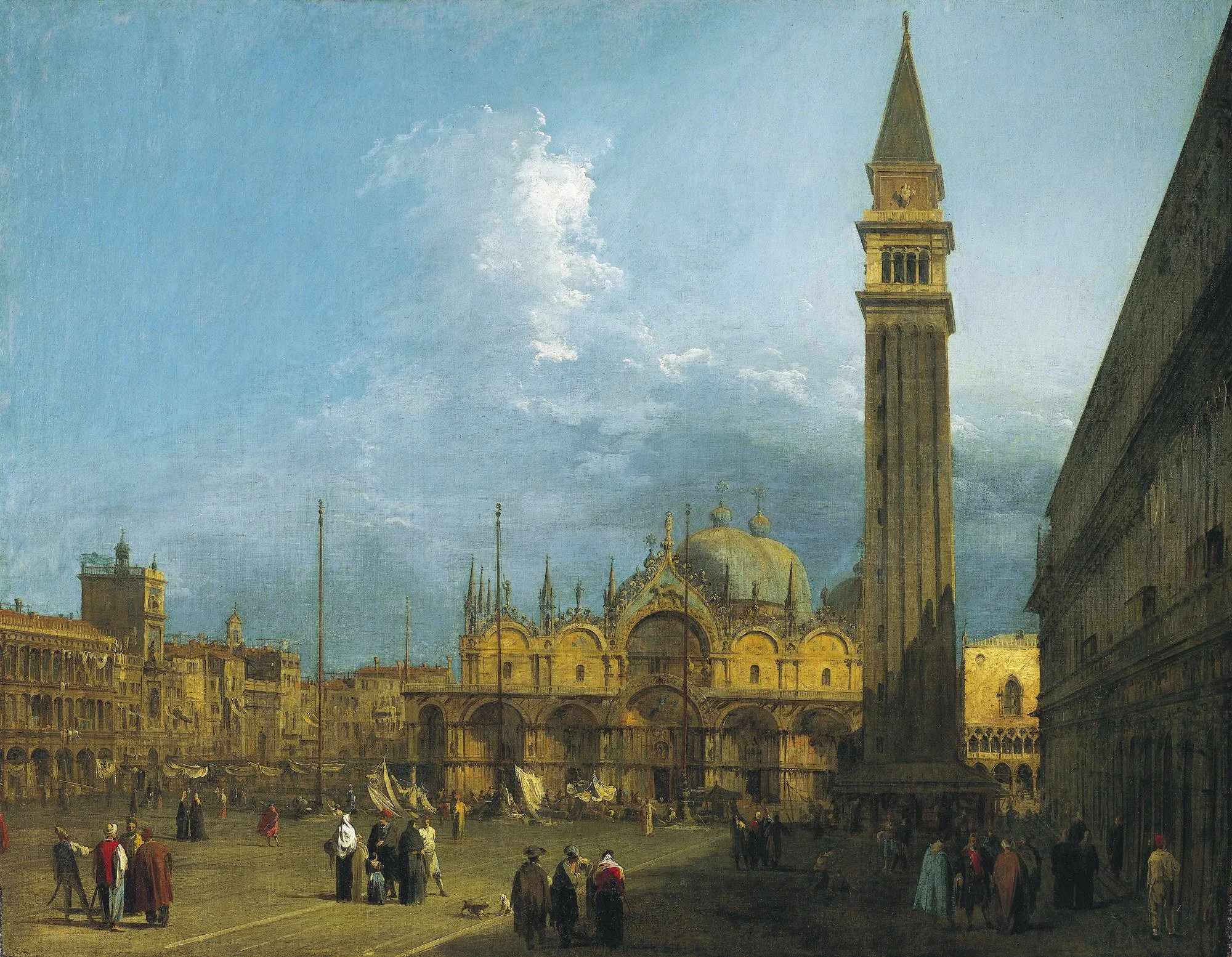
Venice Ran a Republic by Bell
St. Mark’s Campanile did far more than tell Venetians the hour.
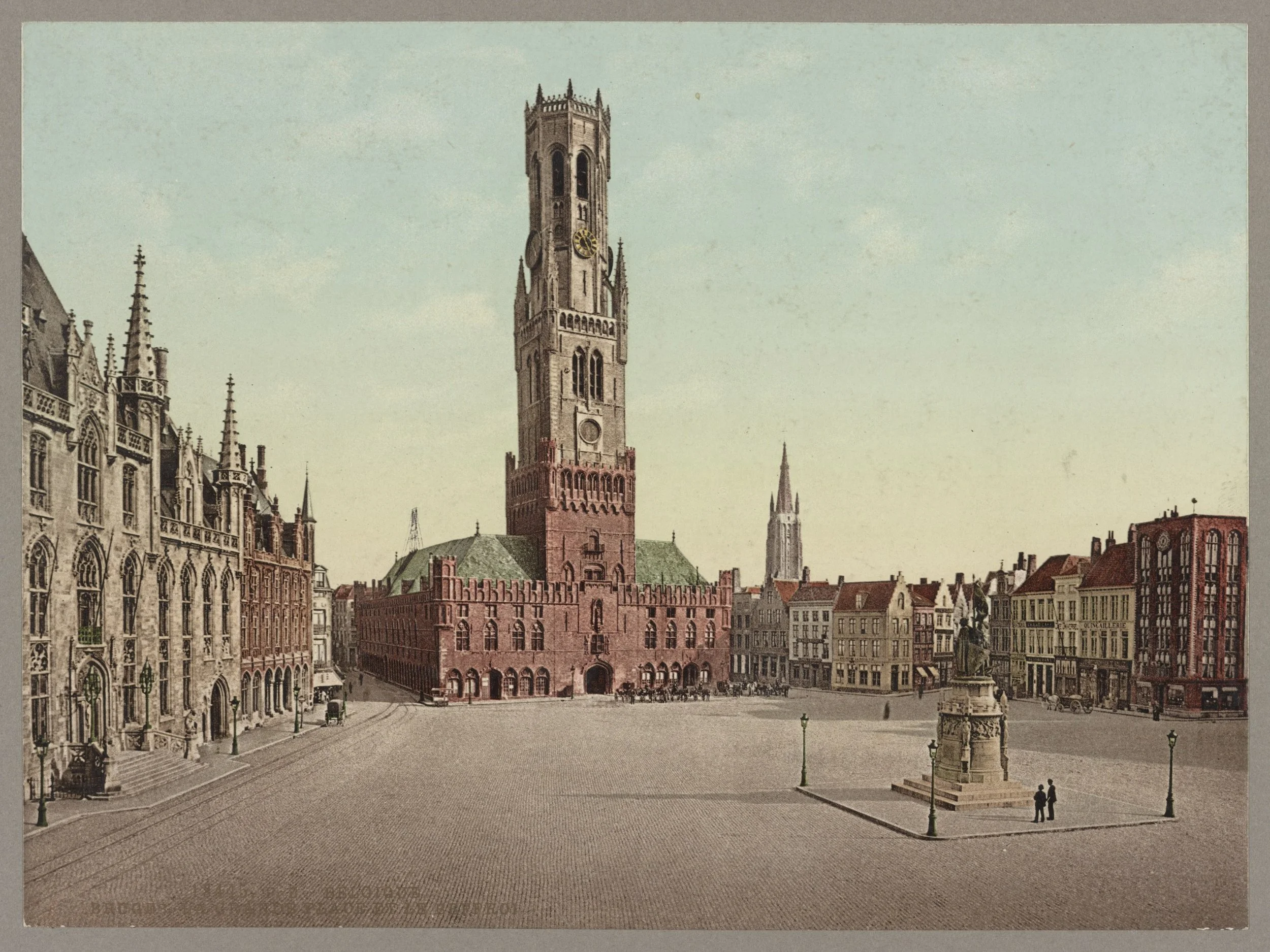
When a Bell Tower Meant the Town Governed Itself
The great belfries of Belgium and northern France were civic architecture with a public message: the town had rights of its own.
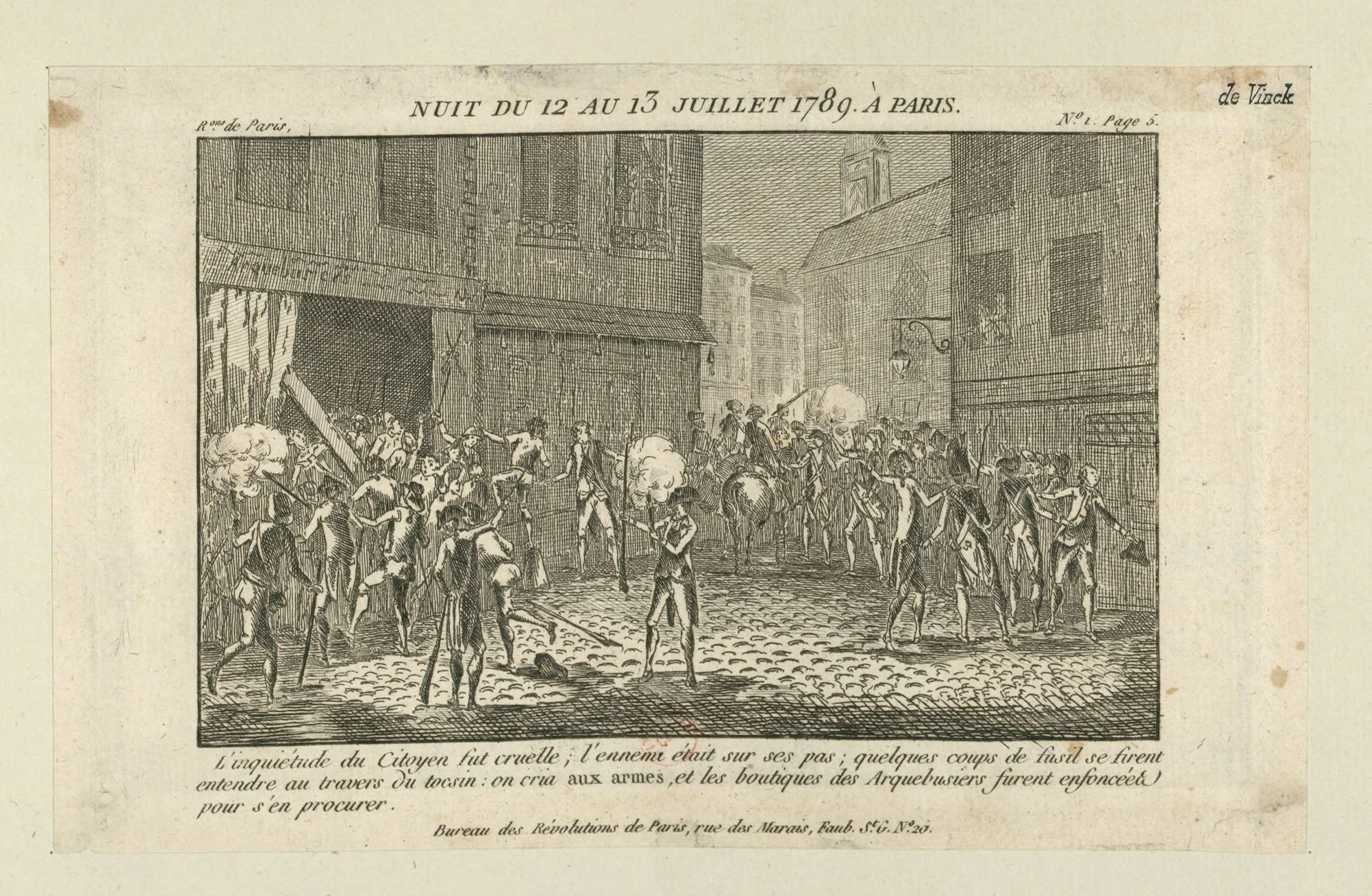
The Sound That Meant Drop Everything
A tocsin was not a pleasant peal. It was the sound that told a town something had gone wrong.
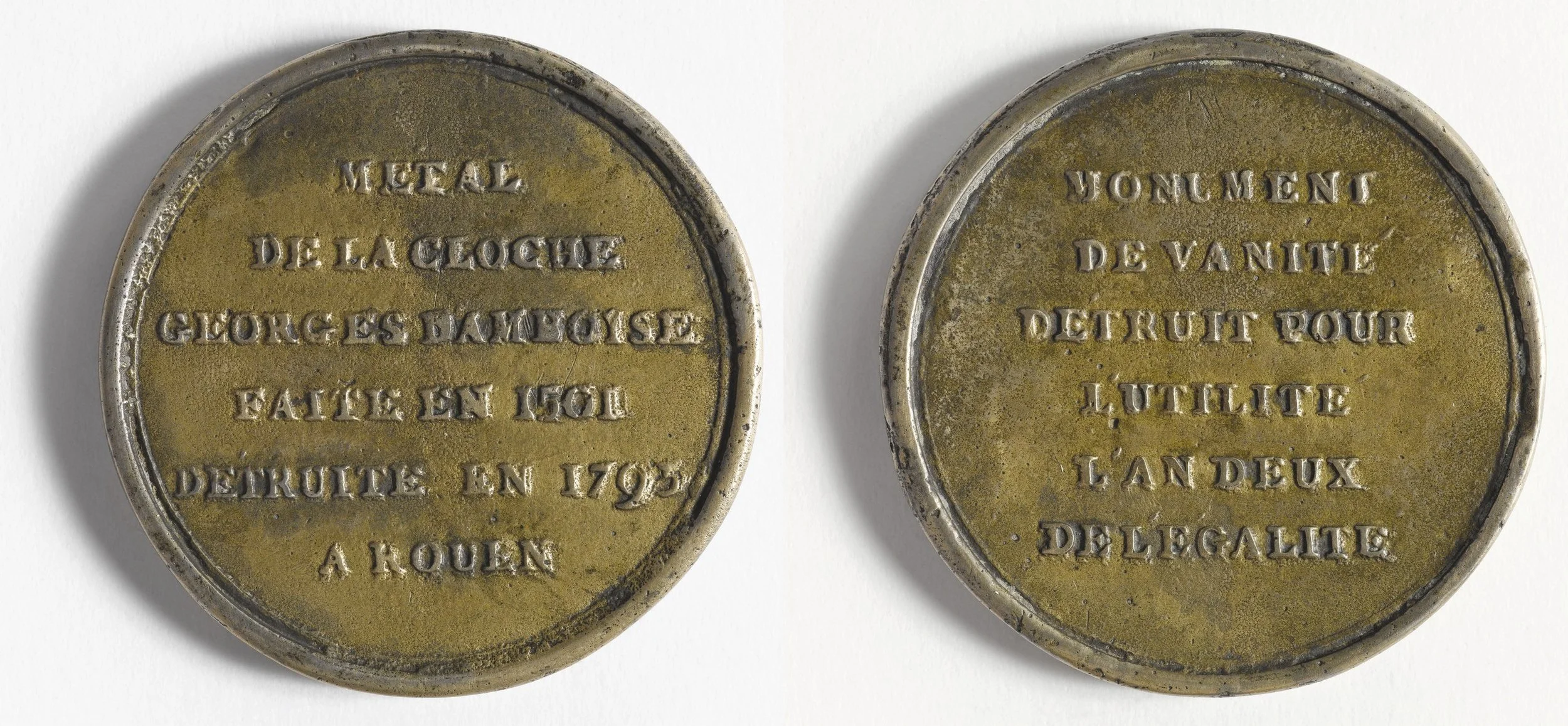
The French Revolution Went After the Bells
Revolutionary France did not treat church bells as harmless decoration. They were property, metal, religious symbols, and a communications system.
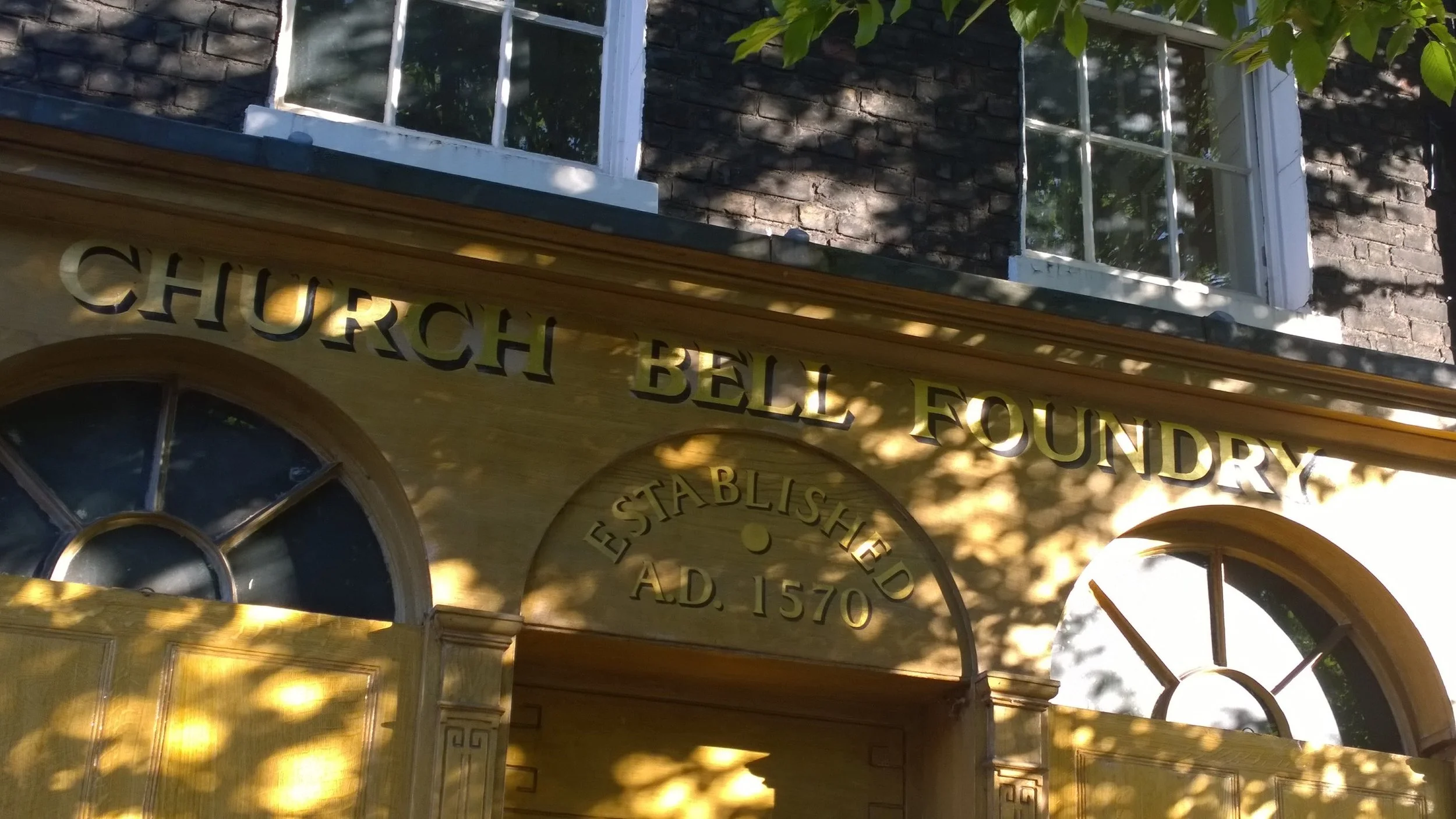
One London Foundry Cast the Liberty Bell and Big Ben
Two of the most recognizable bells in the English-speaking world came out of the same London foundry, more than a century apart.
The Lebanese Gunsmith Who Turned to Bells
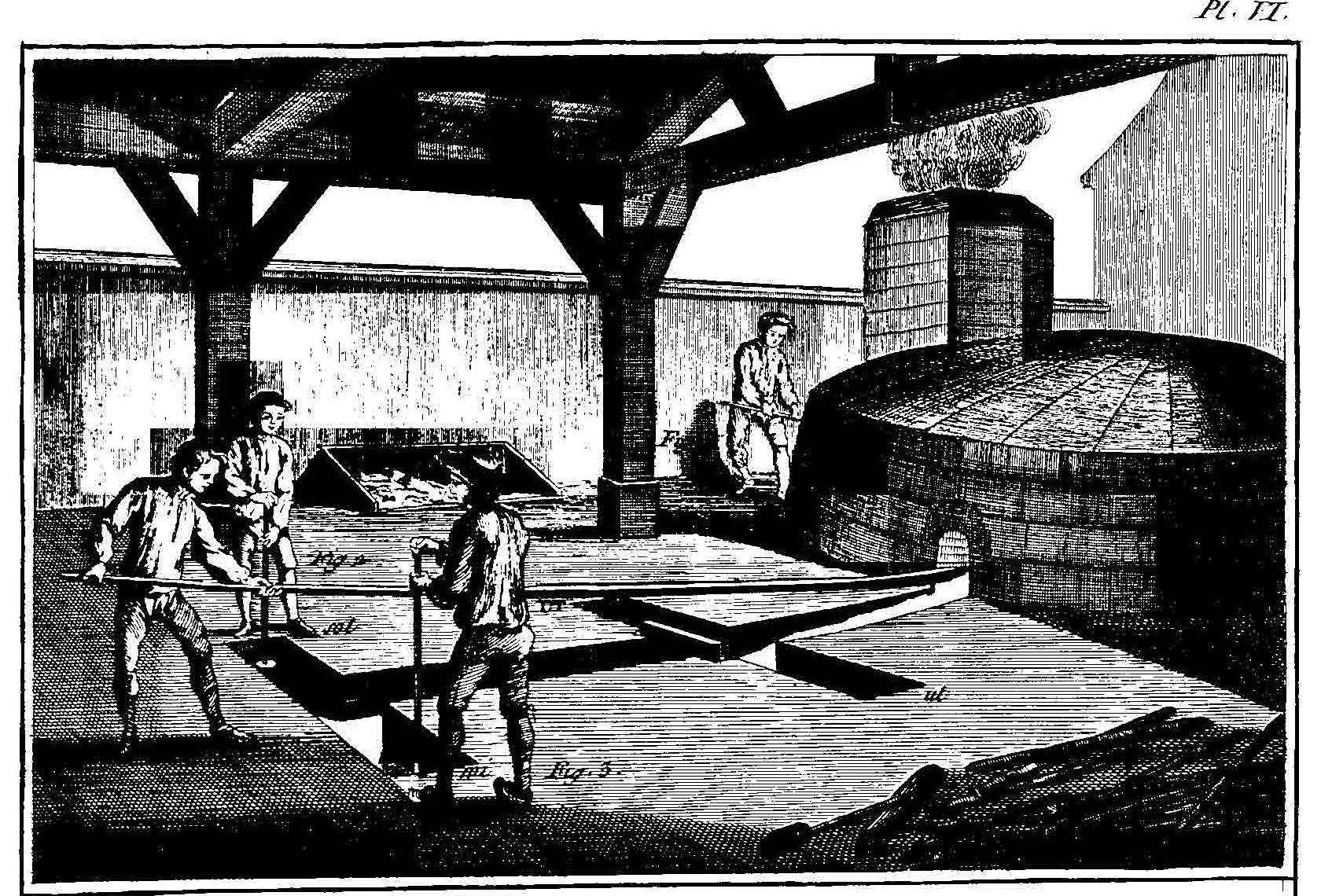
The Naffah bellfounding tradition in Beit Chabab begins with a story about a gunsmith who learned to make church bells instead.
The Liberty Bell Went Into Hiding
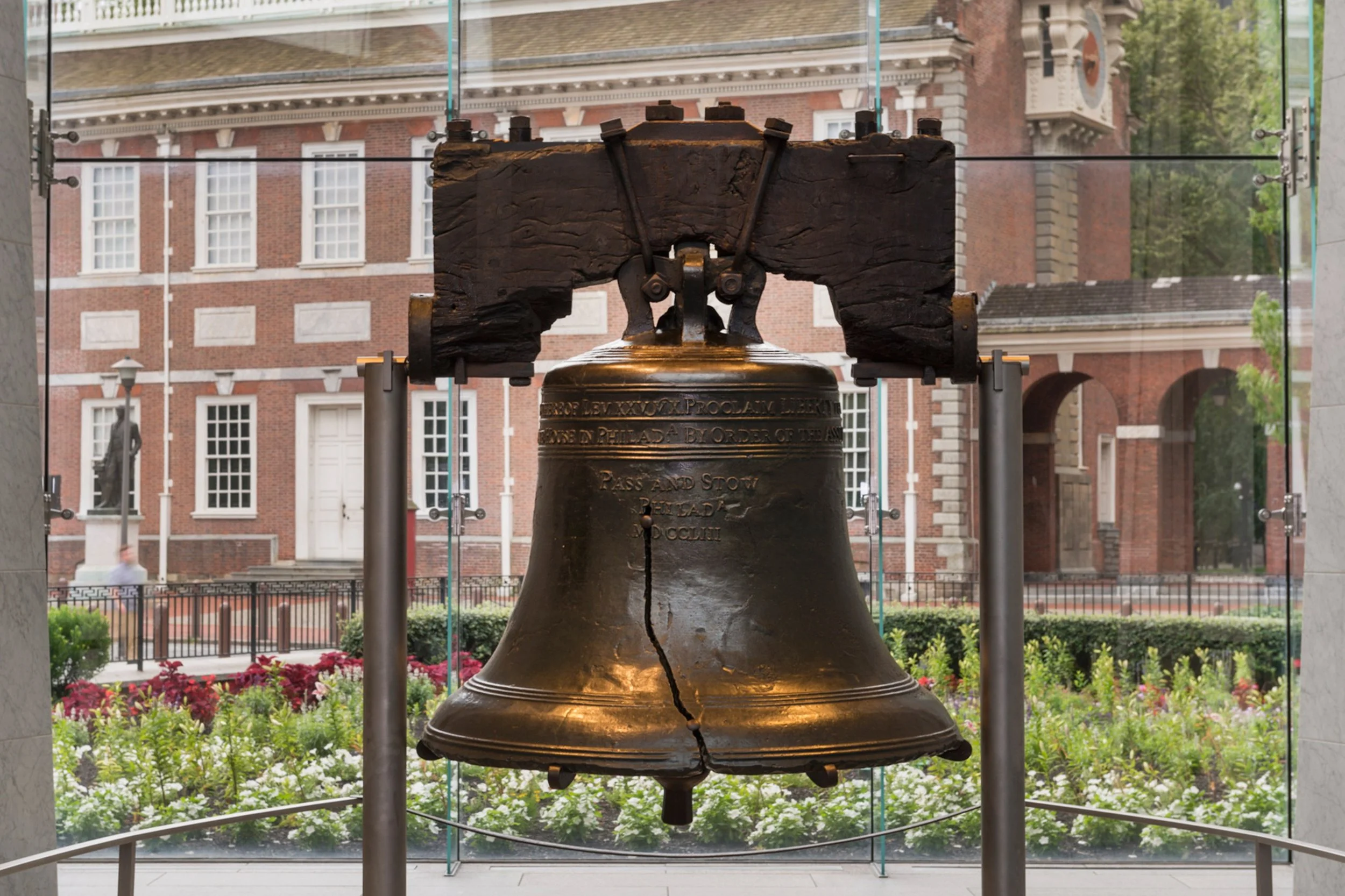
In 1777 Philadelphia removed its State House bell before the British army could get to it.
Paul Revere Learned Bellmaking the Hard Way
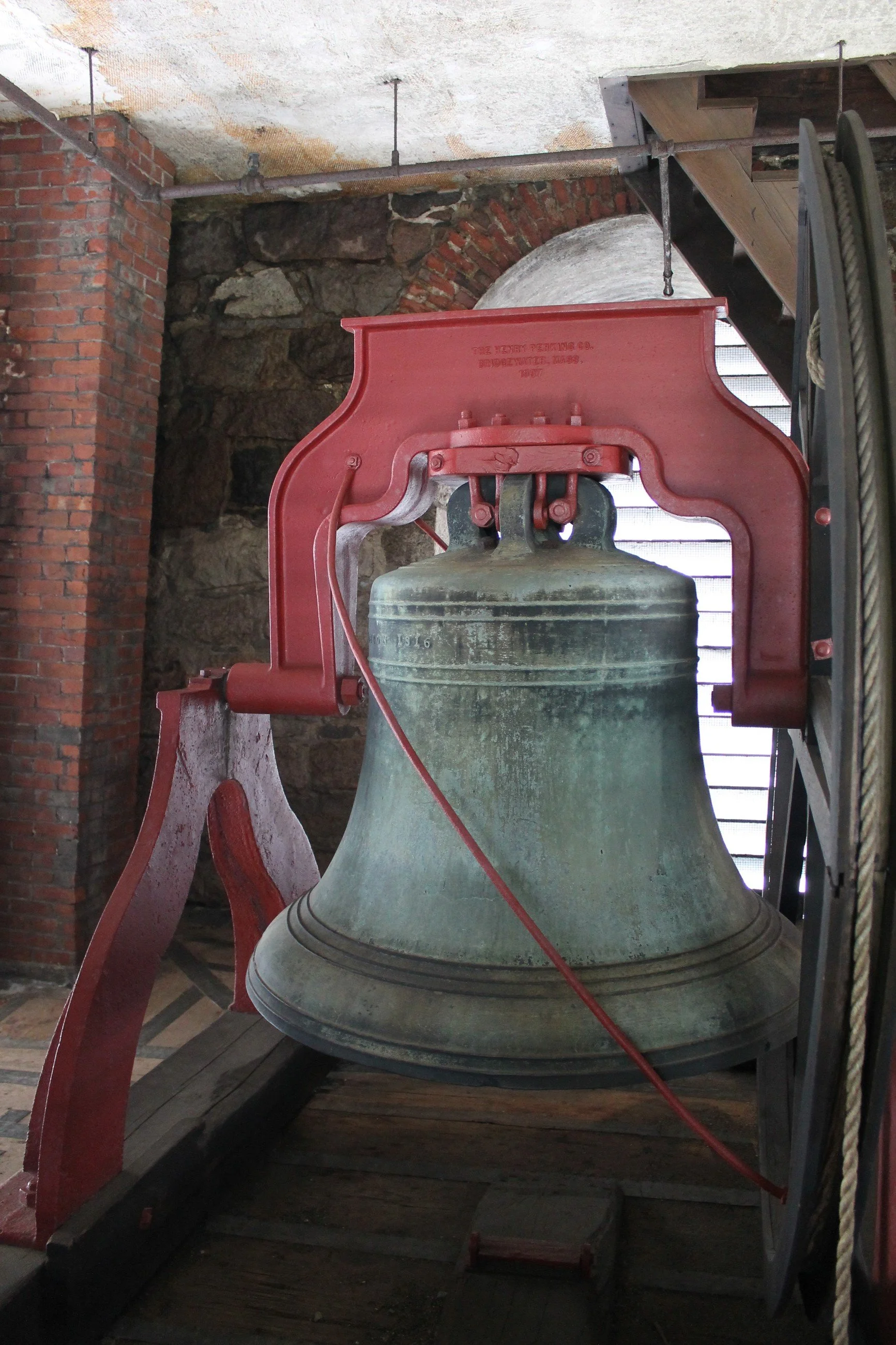
Paul Revere was 57 when the cracked bell at his own Boston church pushed him into a trade he had never practiced.
The Family That Hid Its Bells
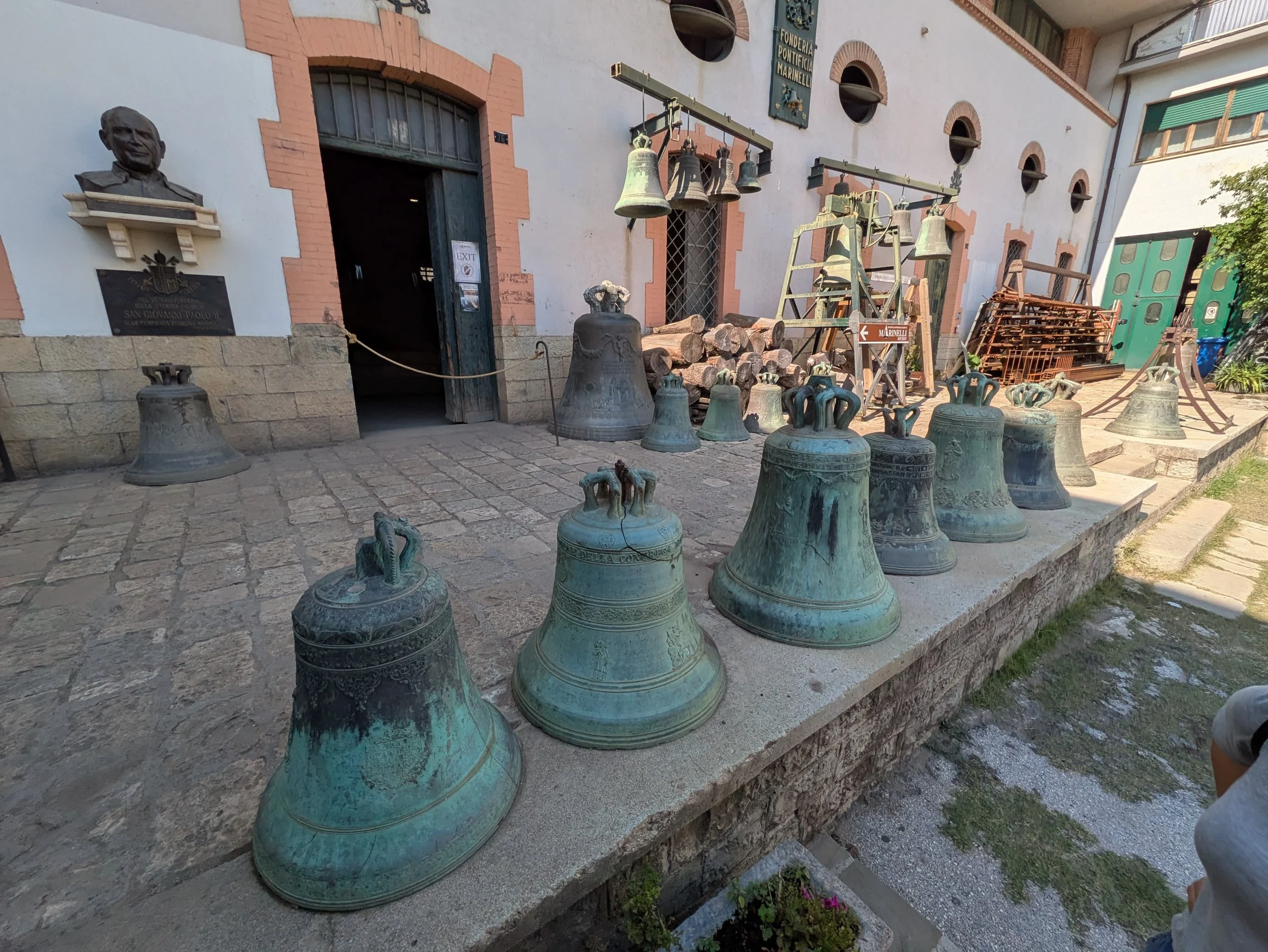
When German requisition teams came looking for bronze in the Second World War, the Marinelli foundry in Agnone had spent centuries making church bells.