
Paul Revere was 57 when the cracked bell at his own Boston church pushed him into a trade he had never practiced.
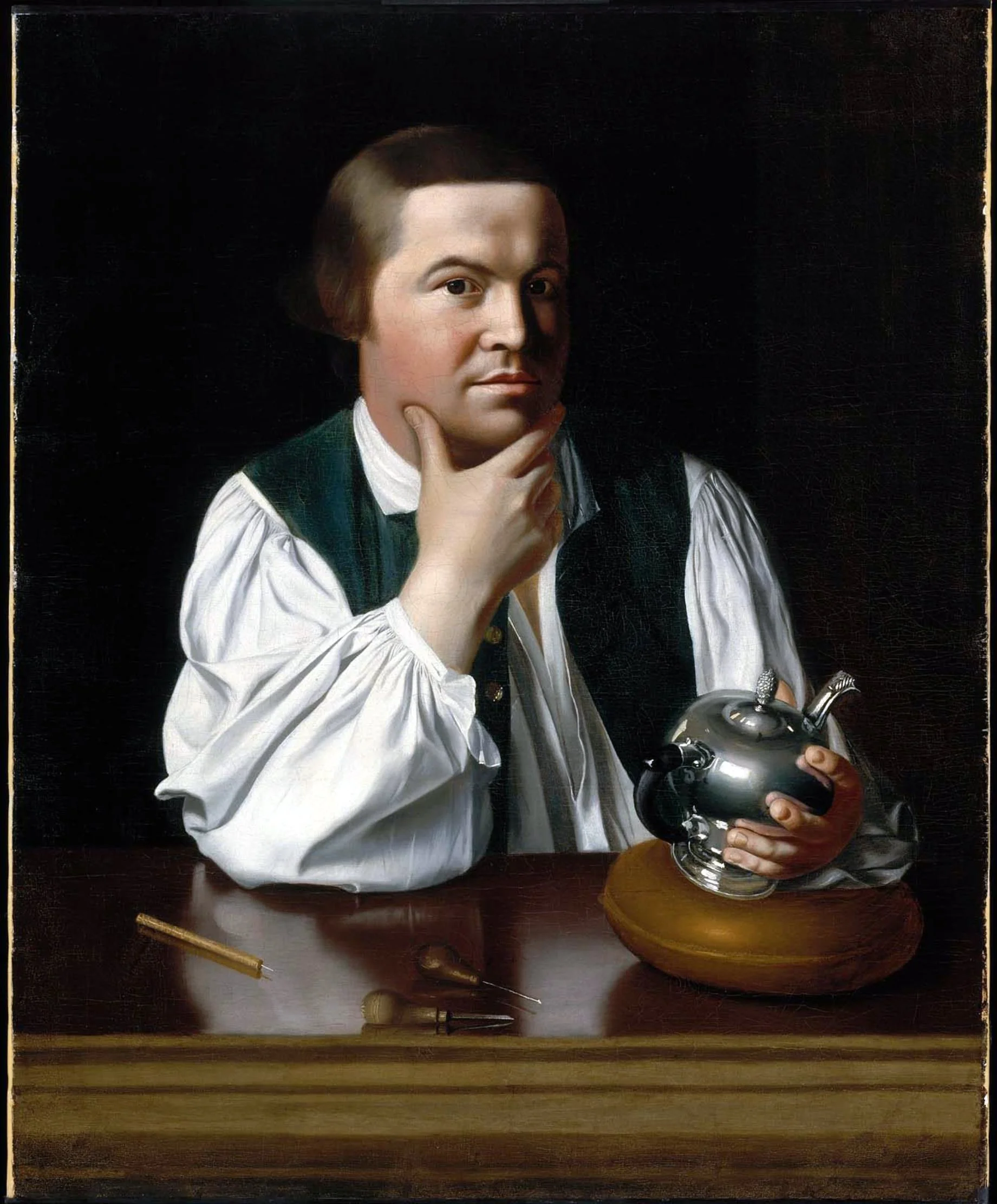
John Singleton Copley painted Paul Revere in 1768, more than 20 years before Revere cast his first bell. The portrait shows him as a silversmith, holding a silver teapot. Museum of Fine Arts, Boston.
Photo: John Singleton Copley, Public domain, via Wikimedia Commons
In 1792 the New Brick Church needed a replacement. Revere offered to cast it himself, even though large bellmaking was still a specialized craft dominated by European founders. His first bell worked, but the tone drew criticism. He kept learning anyway, corresponding about metallurgy, experimenting with proportions, and improving through trial and error.
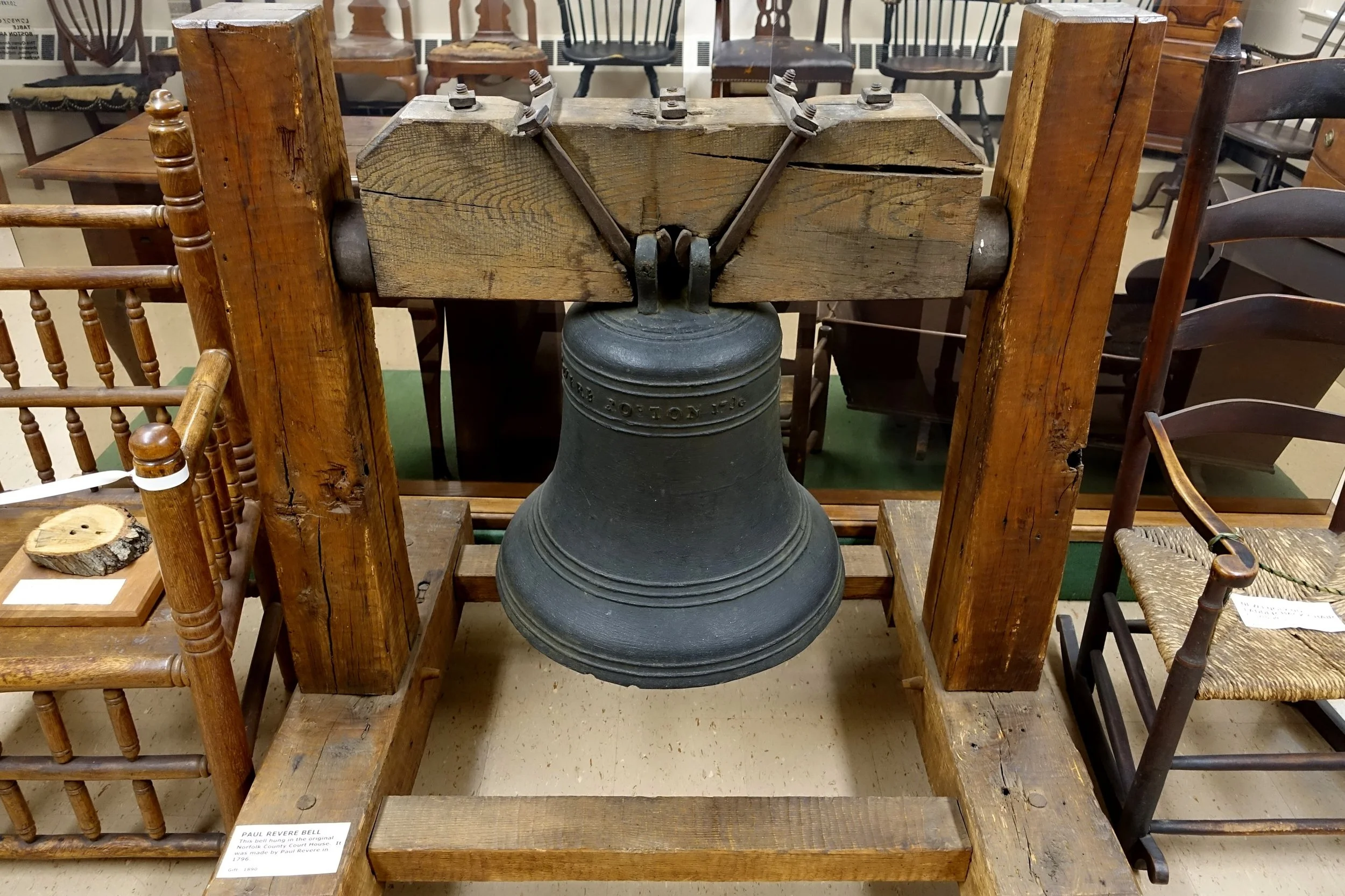
A Paul Revere bell made in 1796 for the Norfolk County Court House, now in the collections of the Dedham Historical Society in Dedham, Massachusetts.
Photo: Daderot, Public domain, via Wikimedia Commons
Revere personally remained involved in bellmaking for more than a hundred castings. His family foundry continued after his retirement and ultimately produced 398 bells by 1828. Some went to churches, some to schools and ships, and many served several jobs at once: worship, fire alarm, public meeting, death notice, and timekeeping.
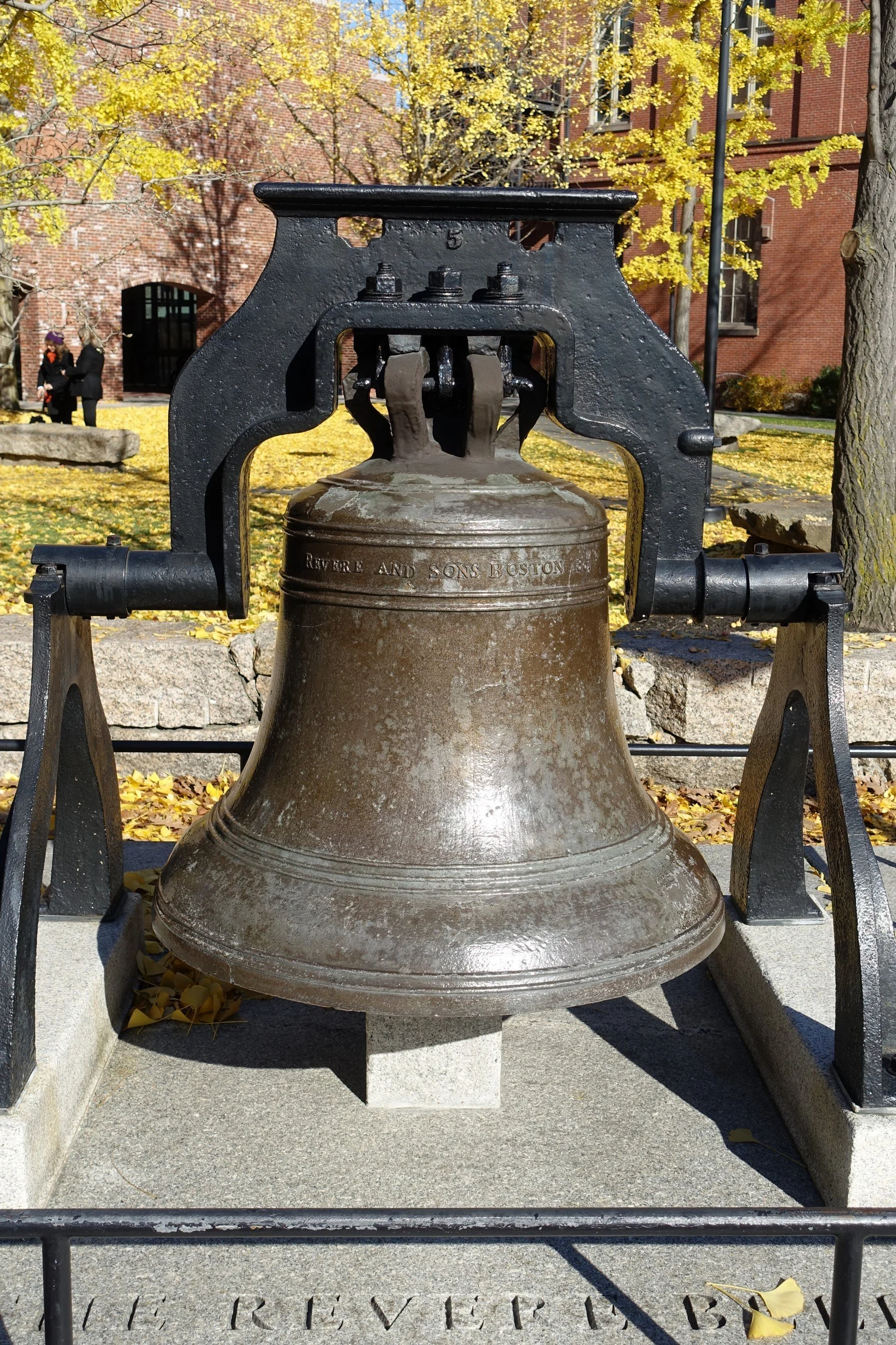
A bell cast by Revere and Sons of Boston in 1801, on display in Salem, Massachusetts.
Photo: Daderot, CC0, via Wikimedia Commons
The midnight ride made Revere famous later. During his own lifetime, plenty of Americans also knew his name because they heard it over their heads.
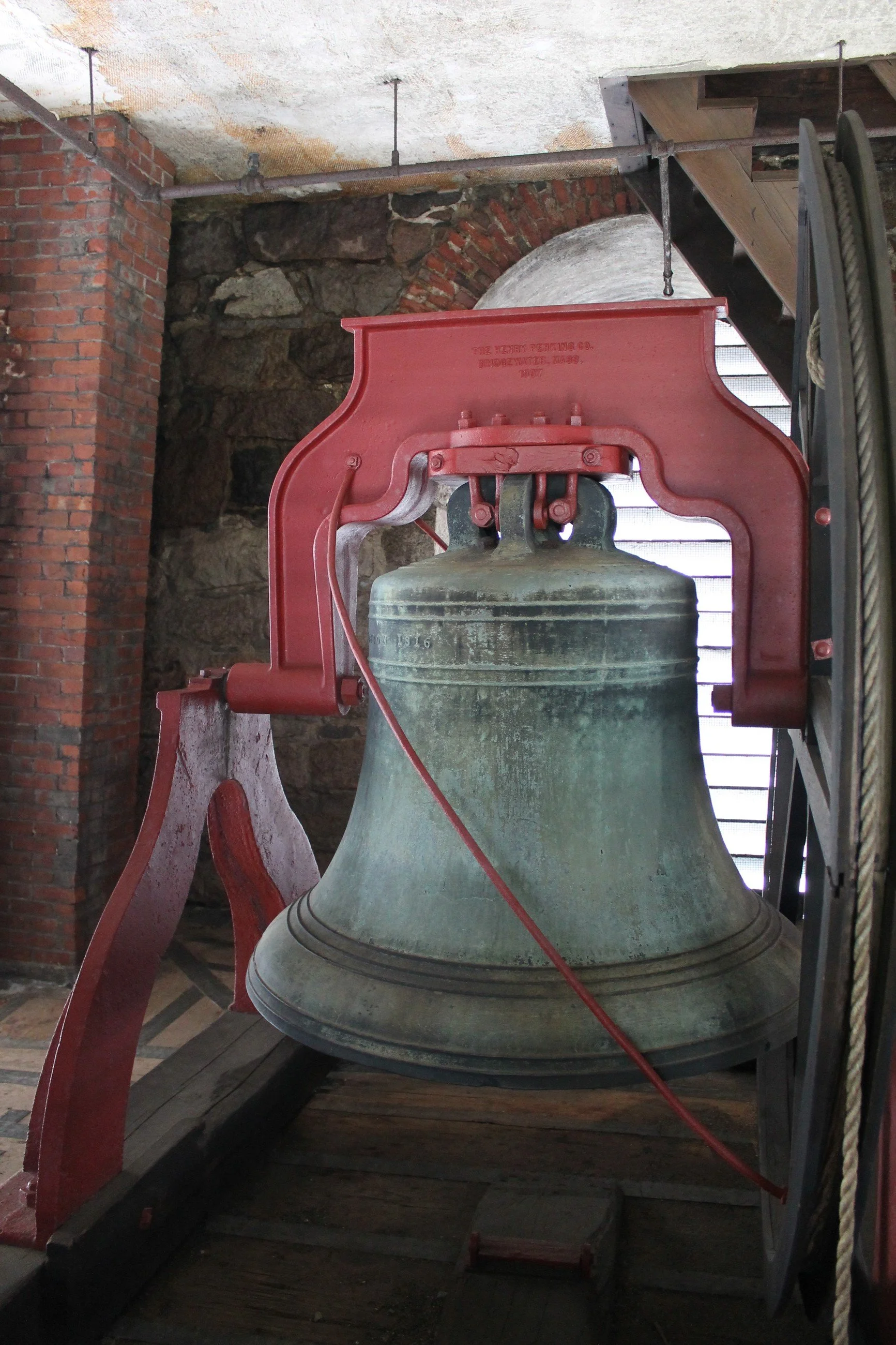
The bell of King’s Chapel in Boston was cast in England in 1772 and recast by Paul Revere in 1814. It is still used today at the chapel, a stop on Boston’s Freedom Trail.
Photo: National Park Service, Public domain, via Wikimedia Commons
