
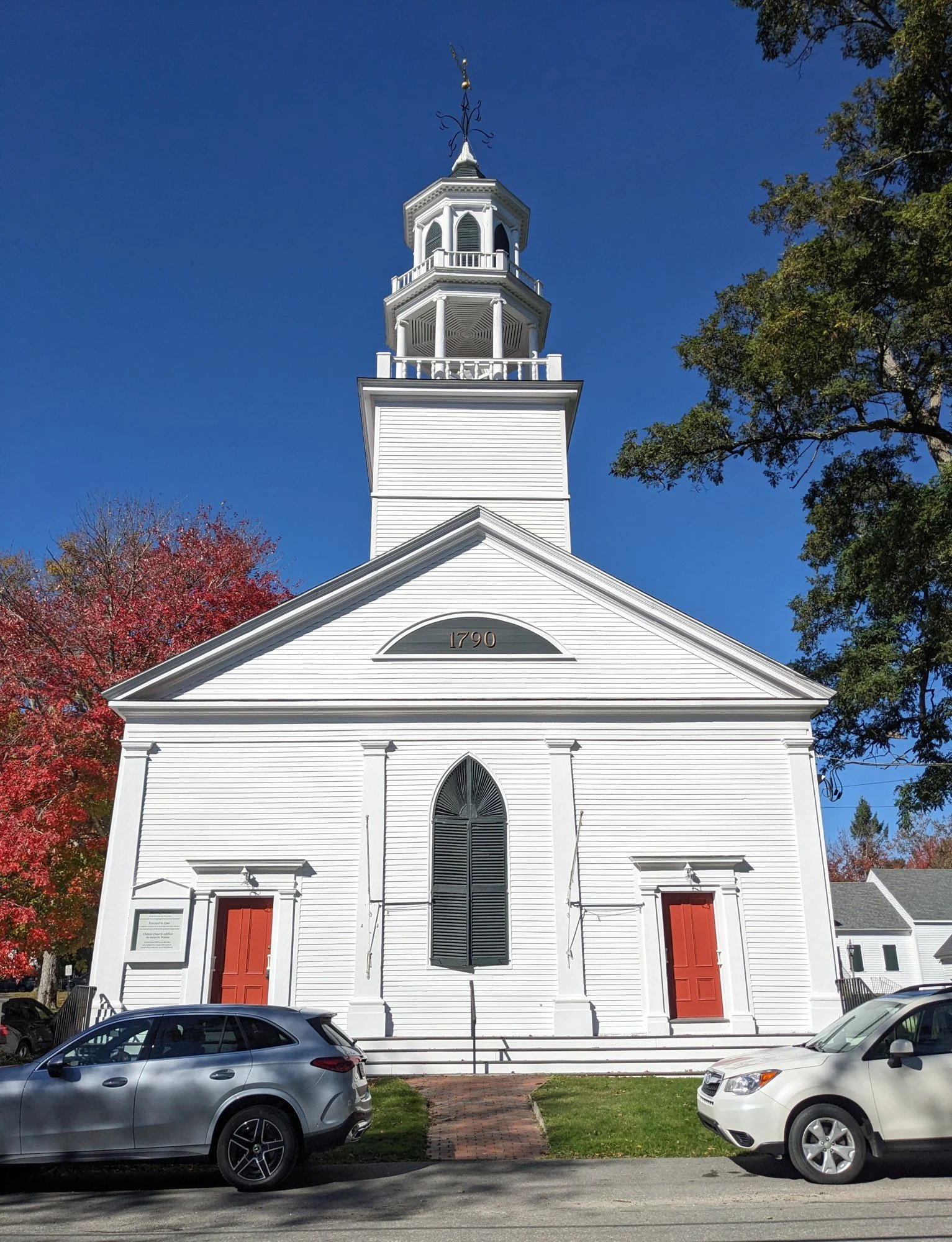
A Paul Revere Bell Could Call You to Pray or to Vote
The same bell could serve church and democracy in the early United States. In 1802, Paul Revere & Son cast one for the meetinghouse in Castine, Maine.
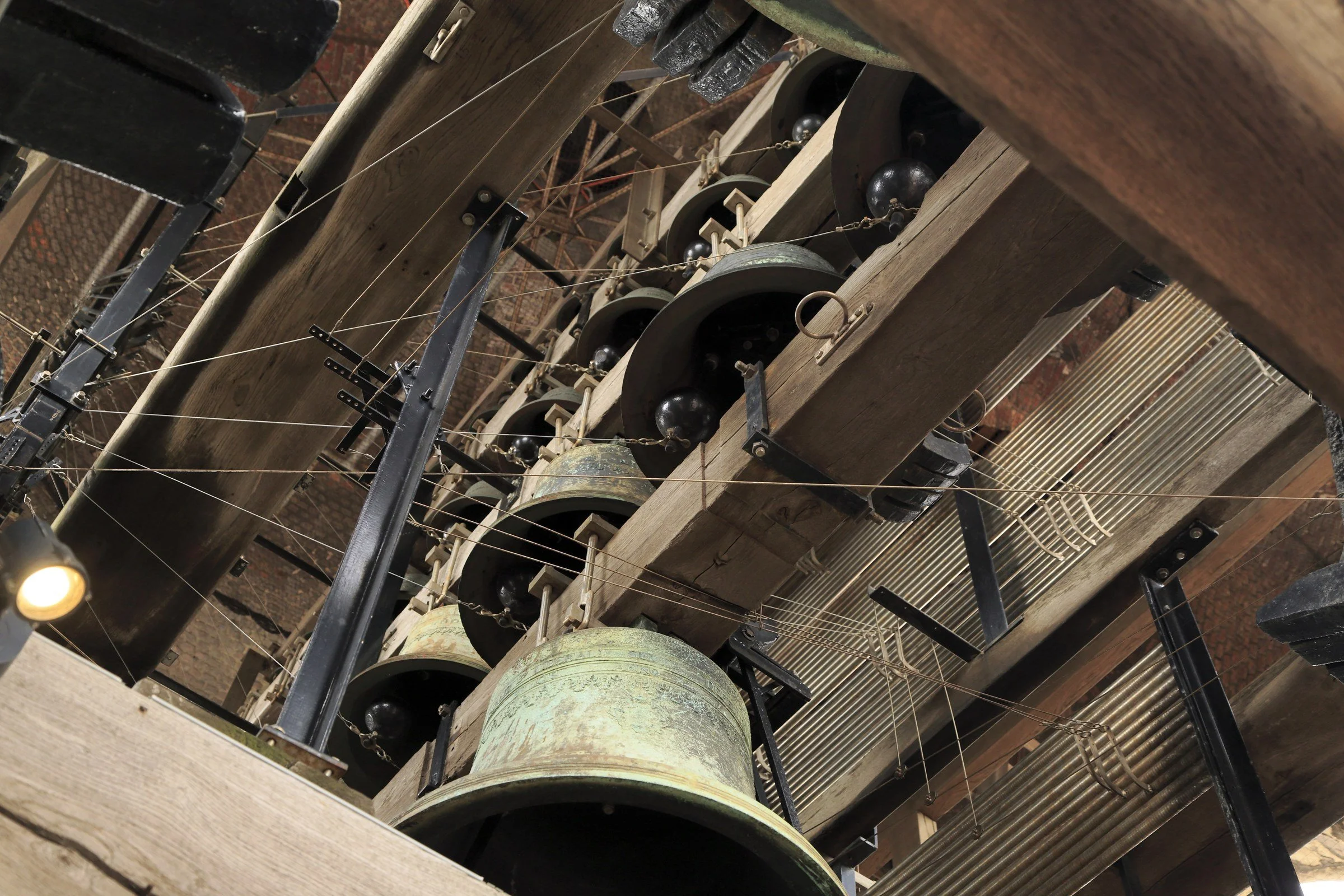
When the Bell Tower Became a Concert Hall
The carillon turned a civic bell tower into a public musical instrument.
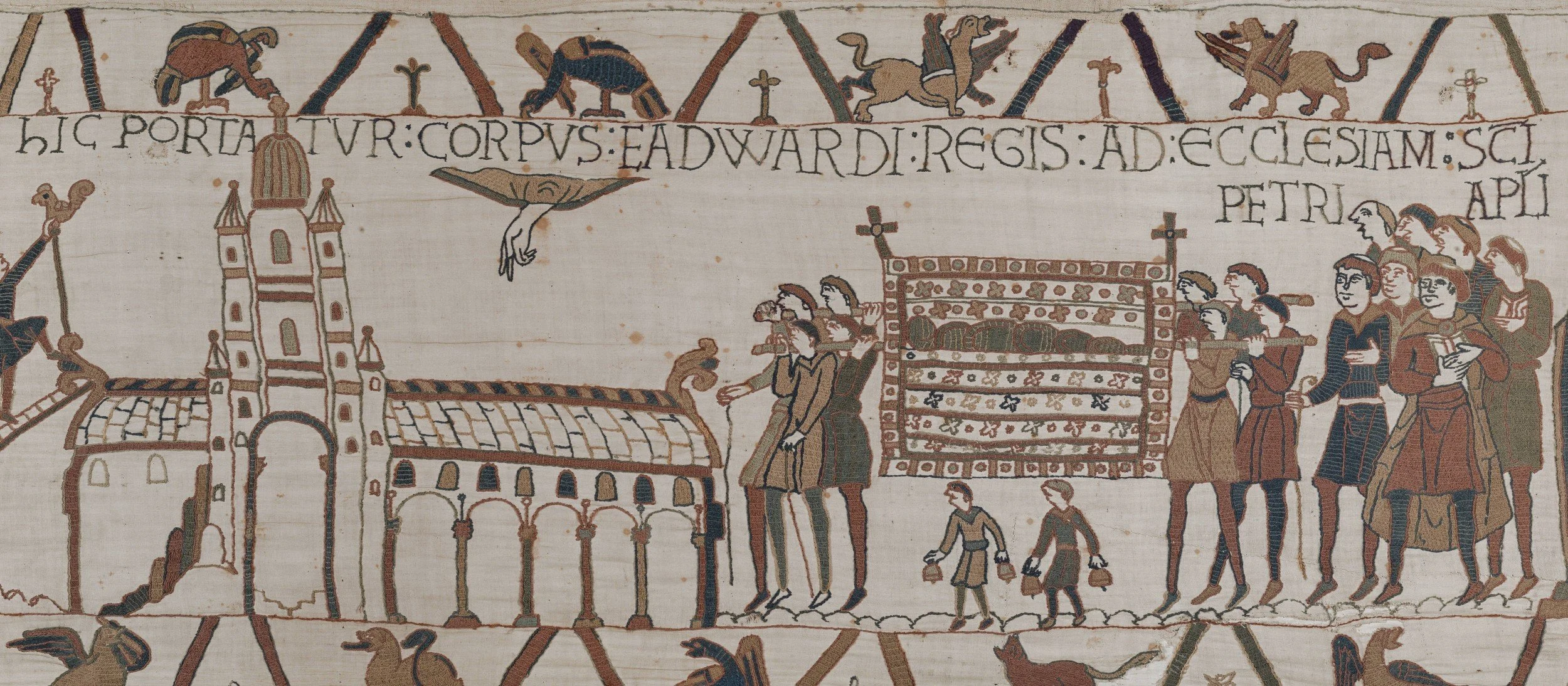
One Bell Pattern Could Tell a Parish Someone Had Died
Before newspapers, phones, or group messages, a death could become public through a bell pattern.
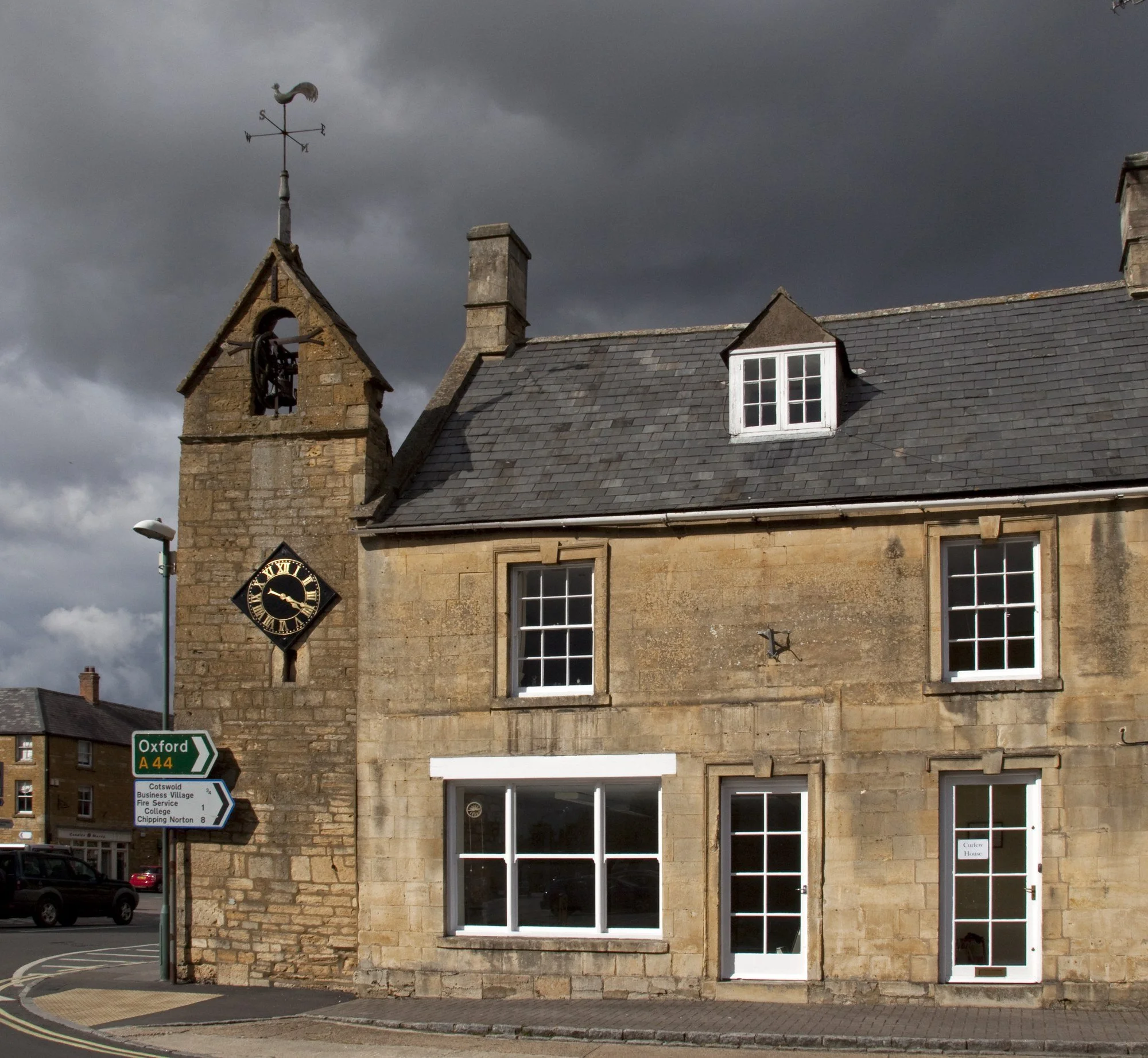
The Bell That Told the Town to Go Home
The word curfew comes from a practice that was once literally audible.
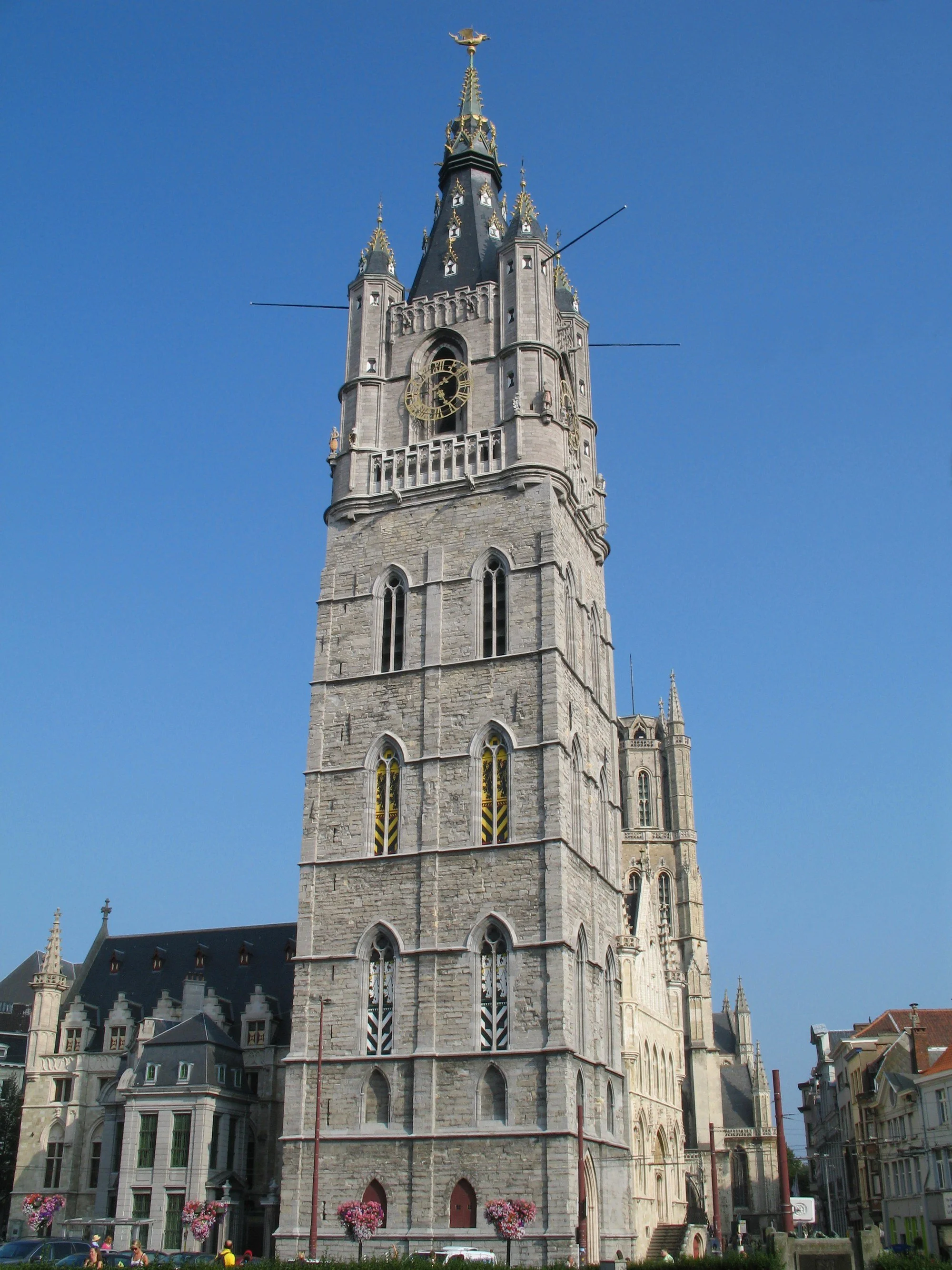
Ghent’s Alarm Bell Was So Political an Emperor Took It Down
Ghent’s great alarm bell, Klokke Roeland, was more than a clock. It belonged to the city’s political independence.
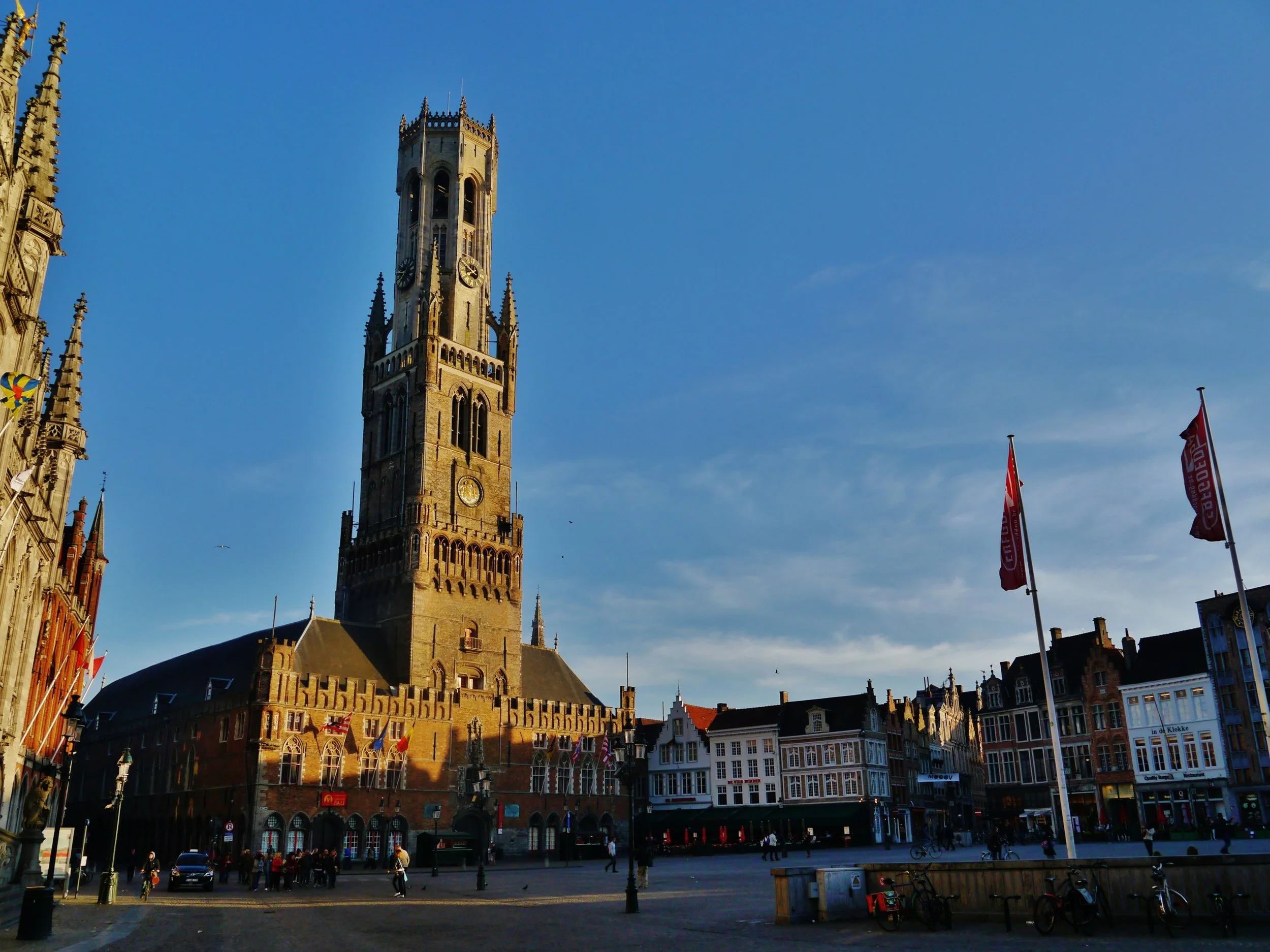
The Market Opened When the Bell Said It Did
Medieval town bells did not only summon worshippers. They also regulated commerce.
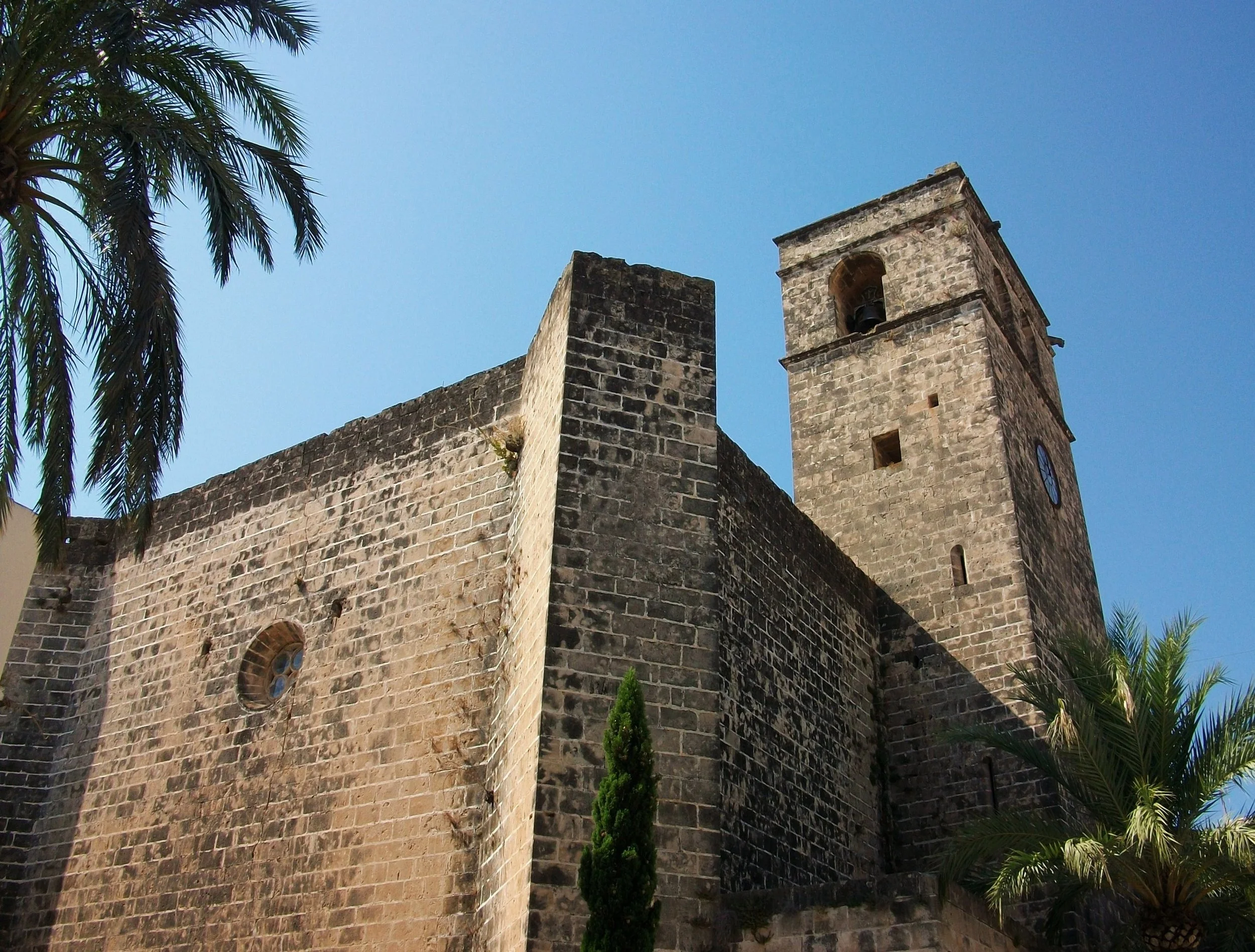
The Rebato Meant Get to the Walls
In Spain, the word rebato carried the sense of sudden alarm, especially a warning that called people to arms.
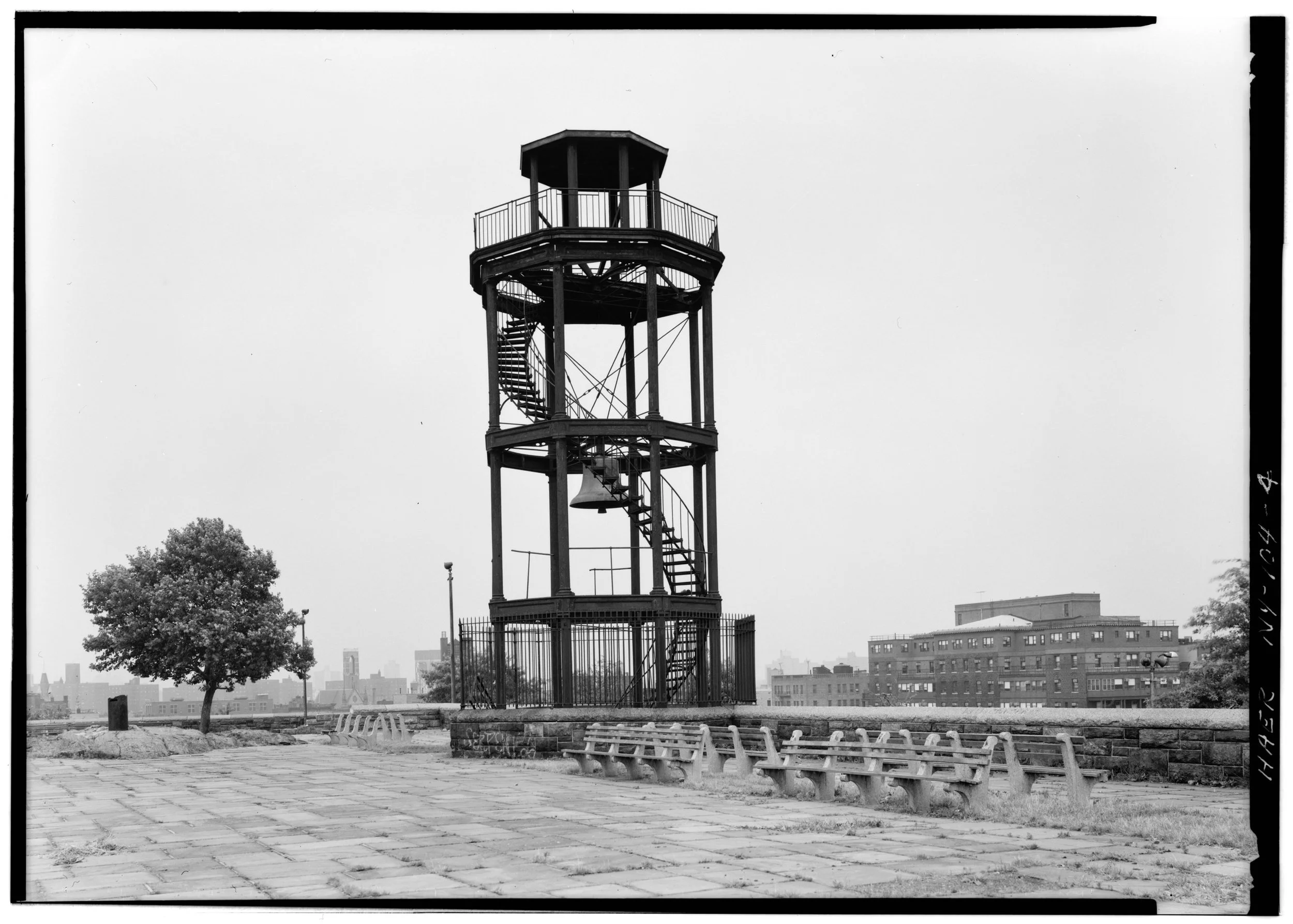
Before Sirens, Fire Had a Bell
A fire alarm once meant somebody grabbed a bell rope and made the entire town listen.
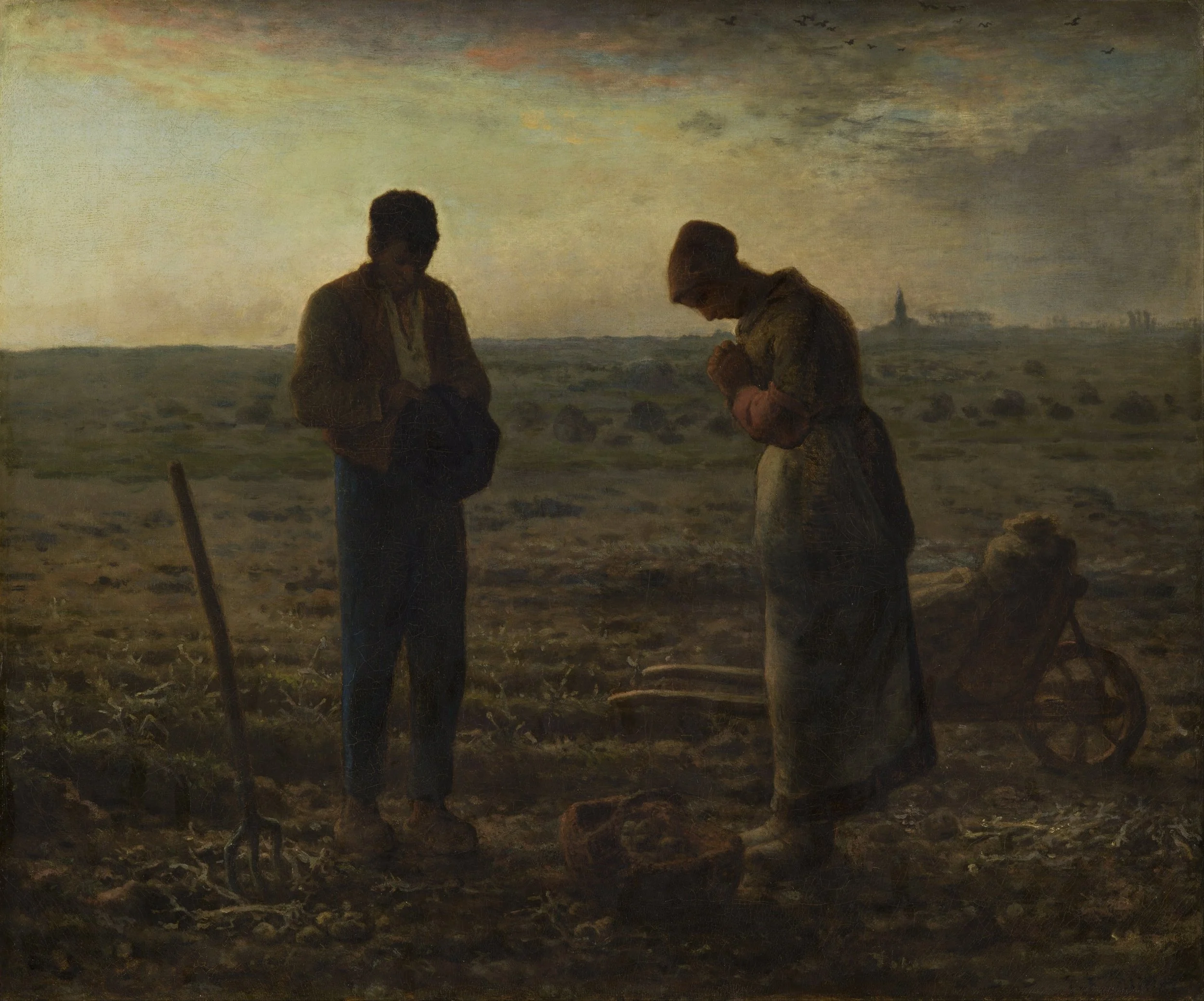
Three Times a Day, the Bell Interrupted Everything
The Angelus made prayer audible beyond the church walls, marked by bells in the morning, at noon, and in the evening.
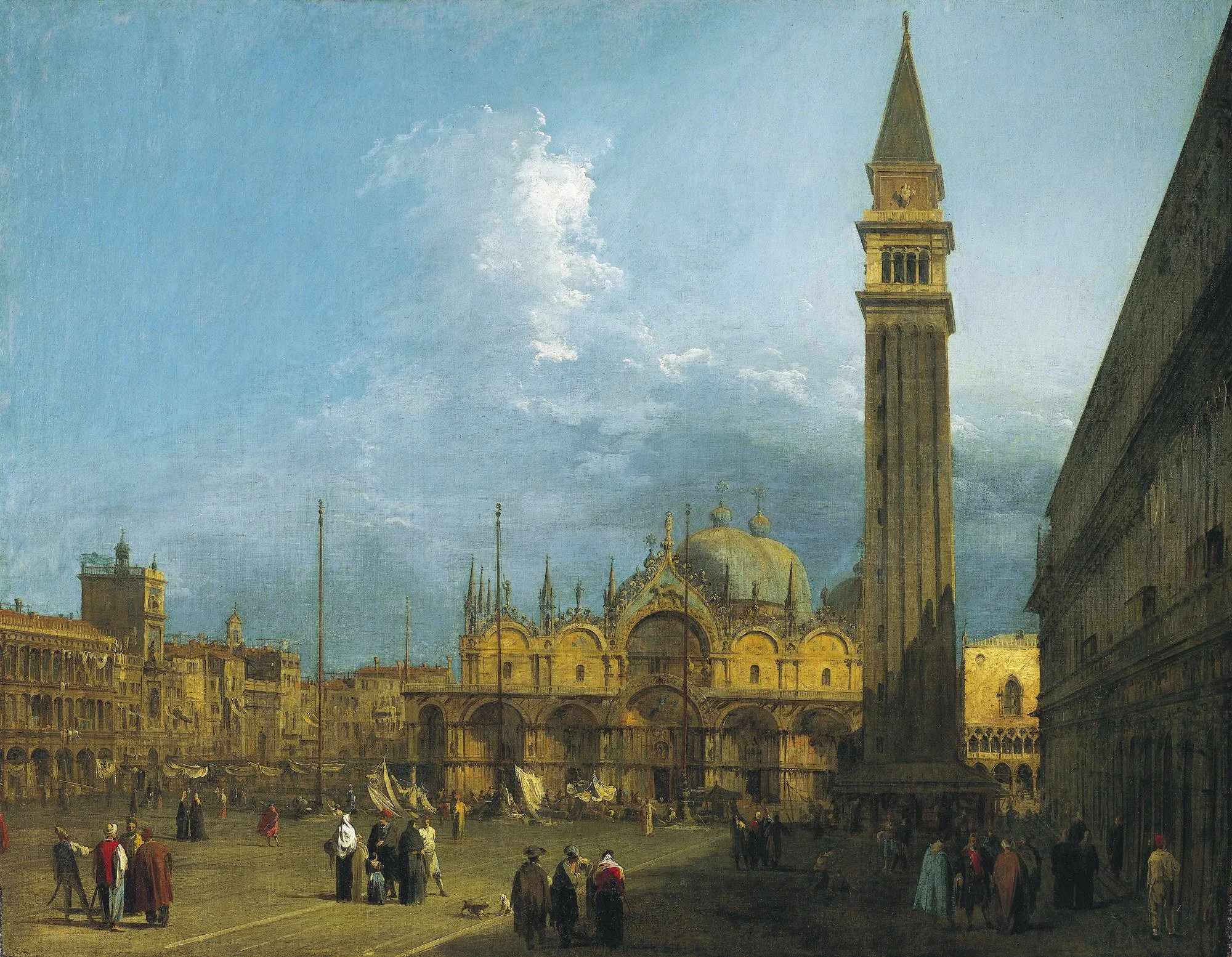
Venice Ran a Republic by Bell
St. Mark’s Campanile did far more than tell Venetians the hour.
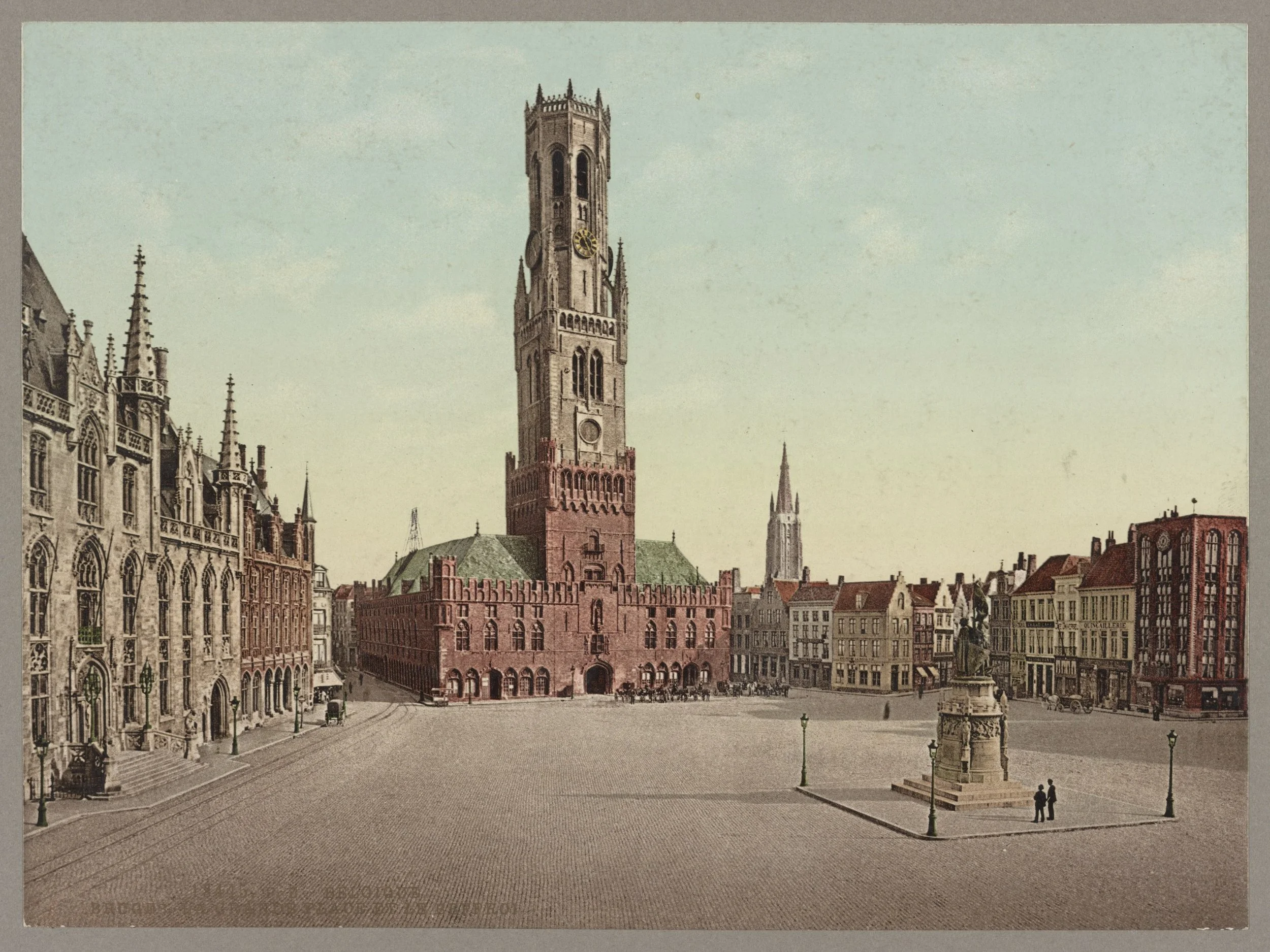
When a Bell Tower Meant the Town Governed Itself
The great belfries of Belgium and northern France were civic architecture with a public message: the town had rights of its own.
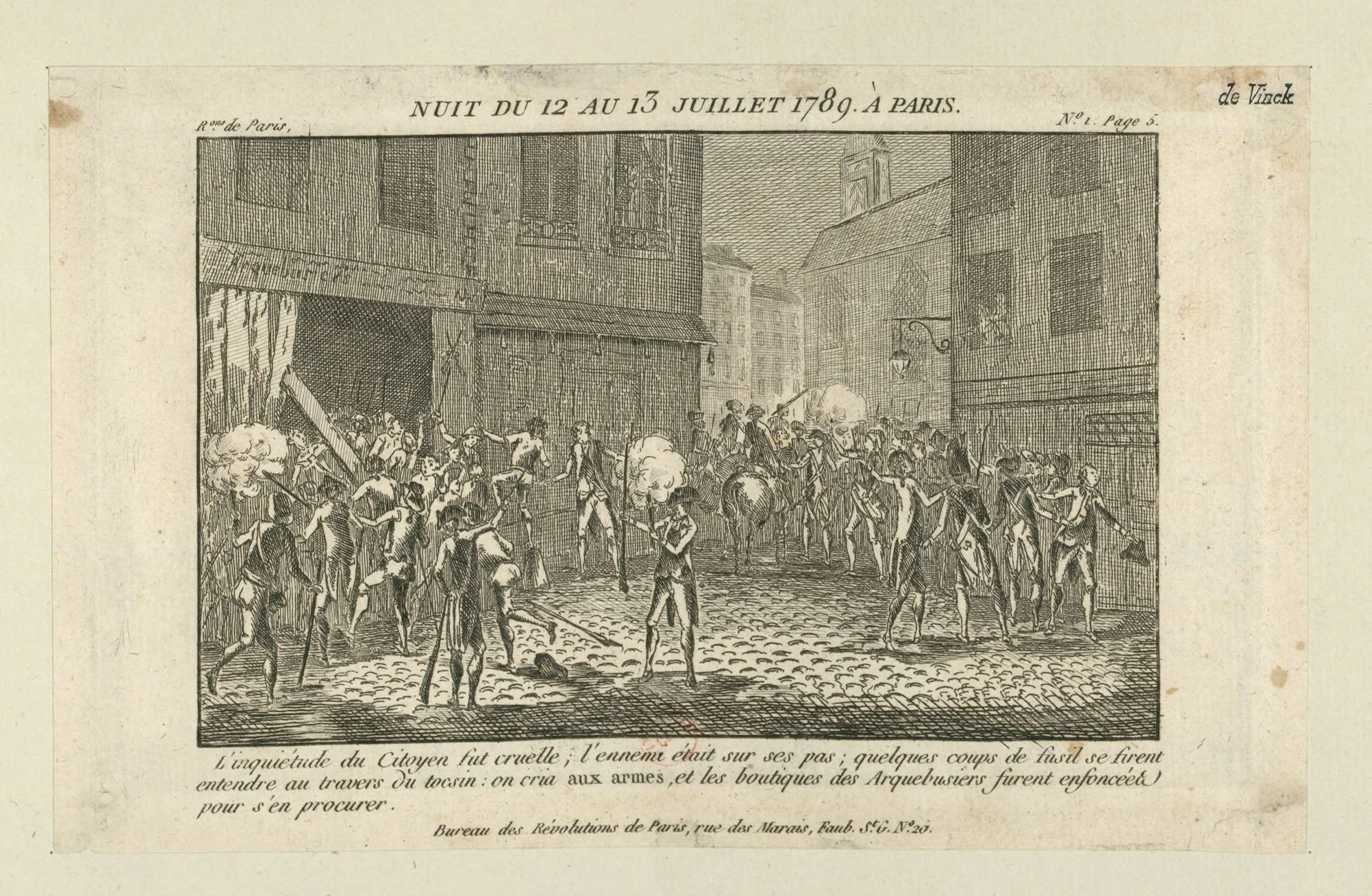
The Sound That Meant Drop Everything
A tocsin was not a pleasant peal. It was the sound that told a town something had gone wrong.