
The word curfew comes from a practice that was once literally audible.
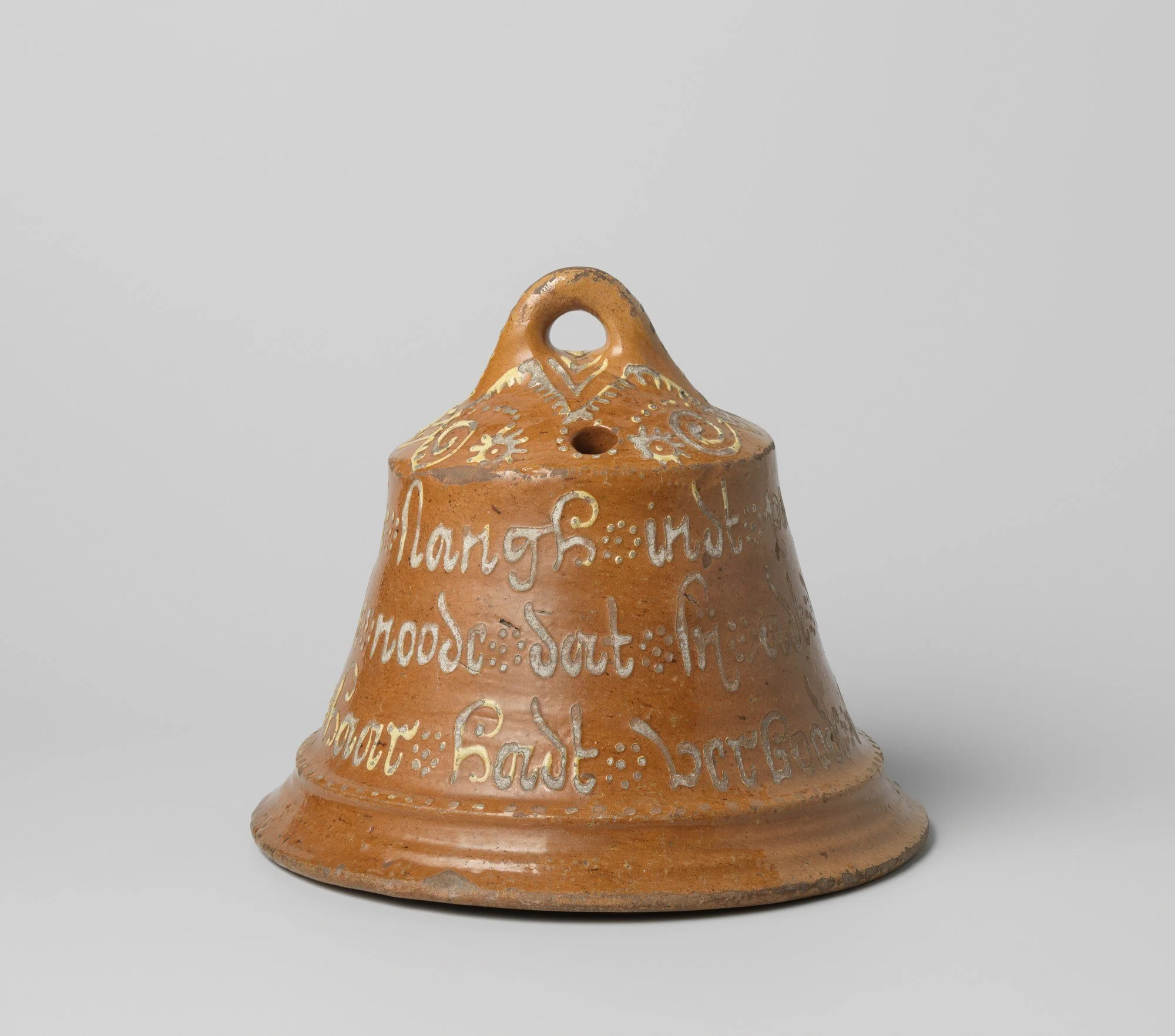
A vuurstolp, or fire cover, made of lead-glazed earthenware in Holland in 1693 and now in the Rijksmuseum collection. Covers like this were placed over the smoldering hearth fire at bedtime so it could burn safely through the night. The English word curfew comes from the Old French cuevrefeu, meaning "cover fire." Photo: Rijksmuseum, CC0, via Wikimedia Commons
In medieval and early modern communities, an evening bell could mark the time to cover or bank household fires, close gates, leave the streets, or simply acknowledge the end of the working day. The rules varied widely by place and period, and the bell often outlived the legal curfew that had given it a purpose.

The Curfew Tower in Moreton-in-Marsh, Gloucestershire, photographed in 2010. The tower probably dates from the 16th century. Its bell is dated 1633 and is said to have been rung daily until 1860. For much of its history the tower also served as the town's lock-up for drunks and minor criminals. Photo: Tony Hisgett, CC BY 2.0, via Wikimedia Commons
That is why curfew bells survived into later centuries as custom rather than enforcement. The sound still divided day from night even after nobody was likely to arrest you for being outside.
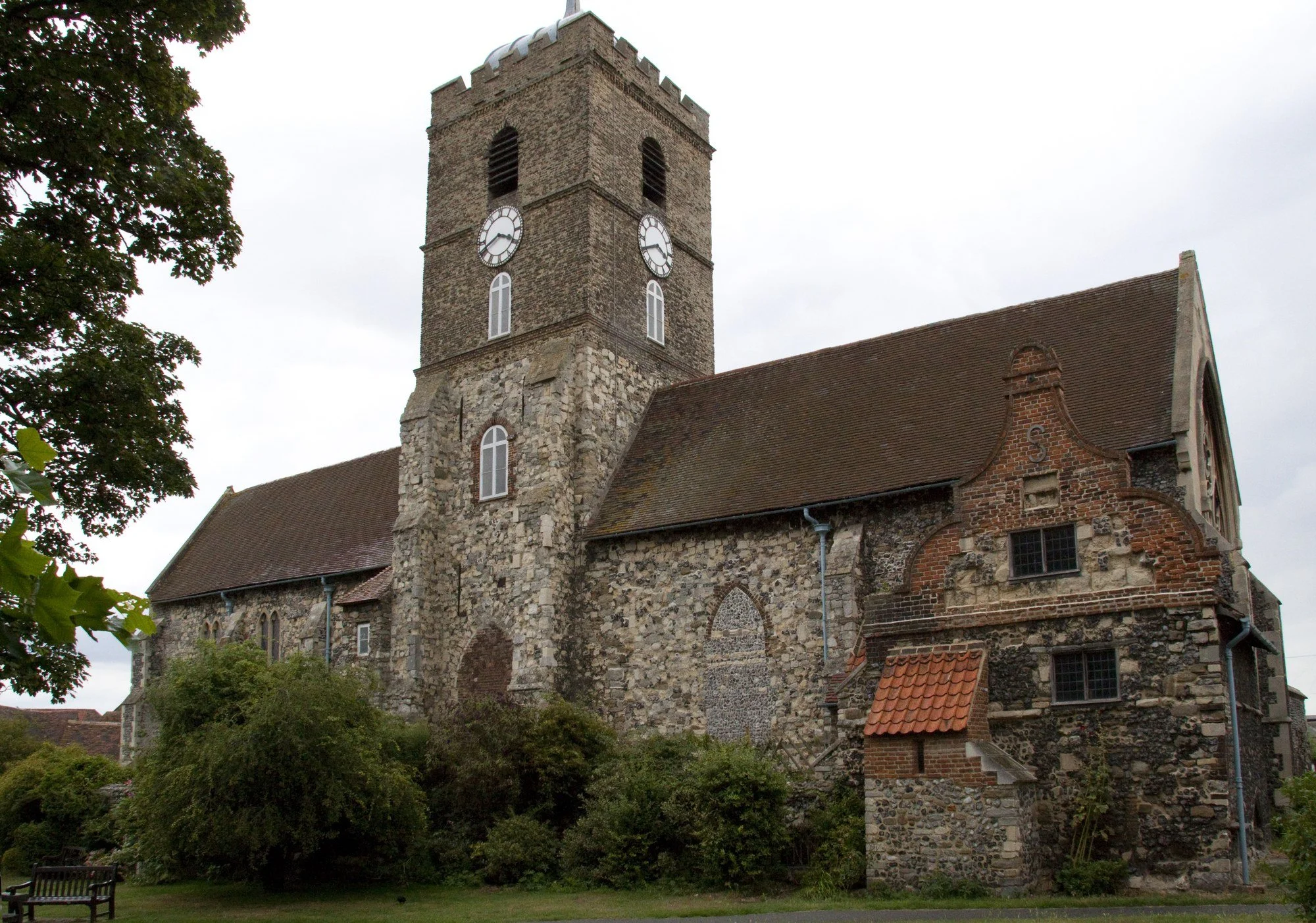
St Peter's Church in Sandwich, Kent, photographed in 2010. Its curfew bell still rings at 8pm every day except Sundays, the old signal for townspeople to cover their fires for the night. It was once called the pigbell because it also told people they could let their animals out into the street. A rota of local bellringers takes turns ringing it. Photo: Tony Hisgett, CC BY 2.0, via Wikimedia Commons
The important part was not a guard standing on every corner. One signal could announce the boundary to the entire settlement at once.
Modern people hear the word curfew and think of a written rule. For generations, many people heard it first as a bell.
