
The little bell that closes It’s a Wonderful Life came from a company that is still making bells in East Hampton, Connecticut.
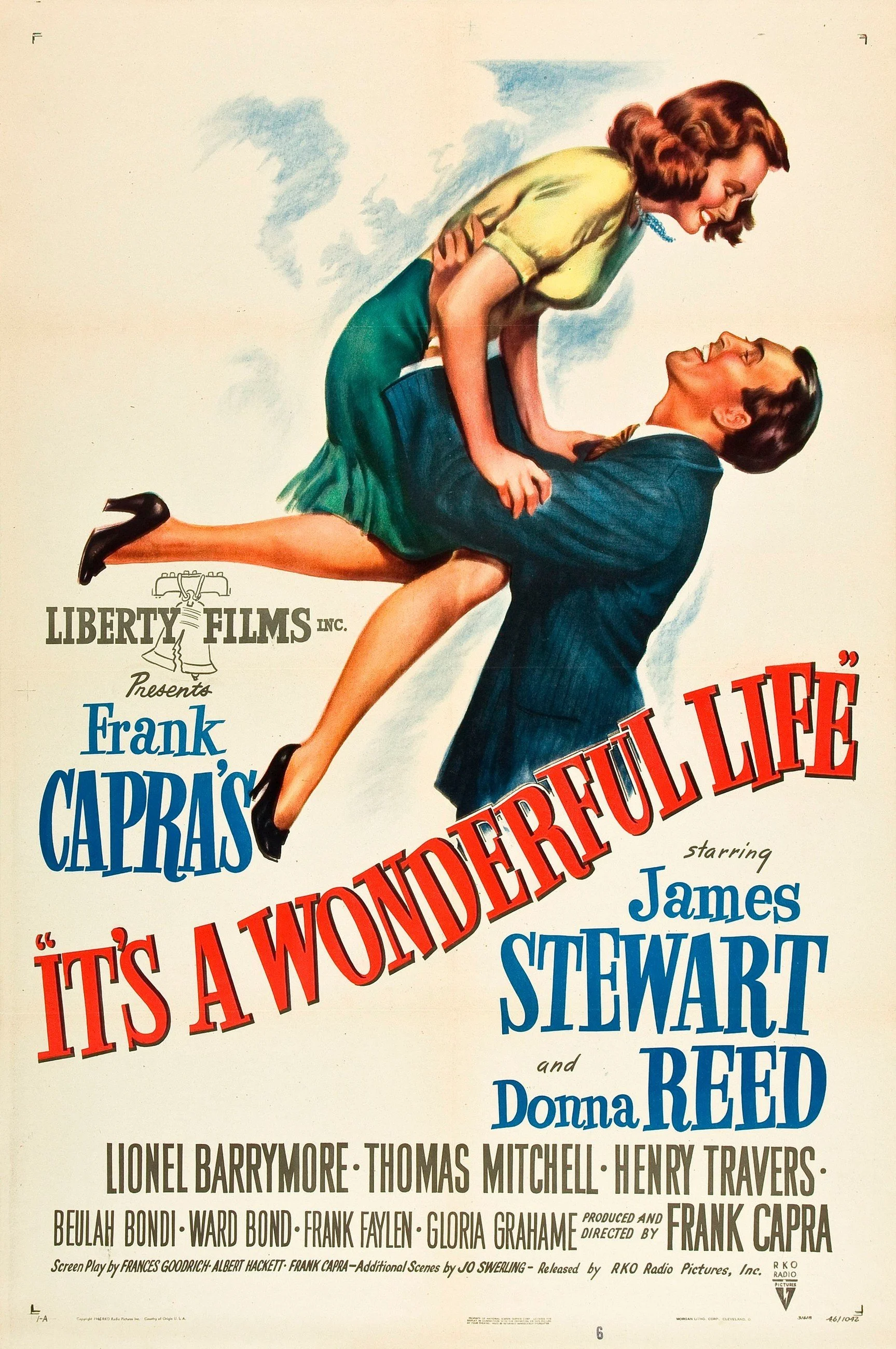
Theatrical release poster for the 1946 film It’s a Wonderful Life, produced by Liberty Films and released by RKO Radio Pictures, starring James Stewart and Donna Reed. Bevin Brothers of East Hampton, Connecticut, made the small bell used in the film’s closing scene. The company still names that movie bell as part of its history. Photo: RKO Radio Pictures Inc. (1946 theatrical poster), Public domain, via Wikimedia Commons
Bevin Brothers was founded in 1832 and remains in the Bevin family six generations later. East Hampton once supported dozens of bell-related companies and earned the nickname Bell Town. Bevin is now the last dedicated bell manufacturer left in the United States.
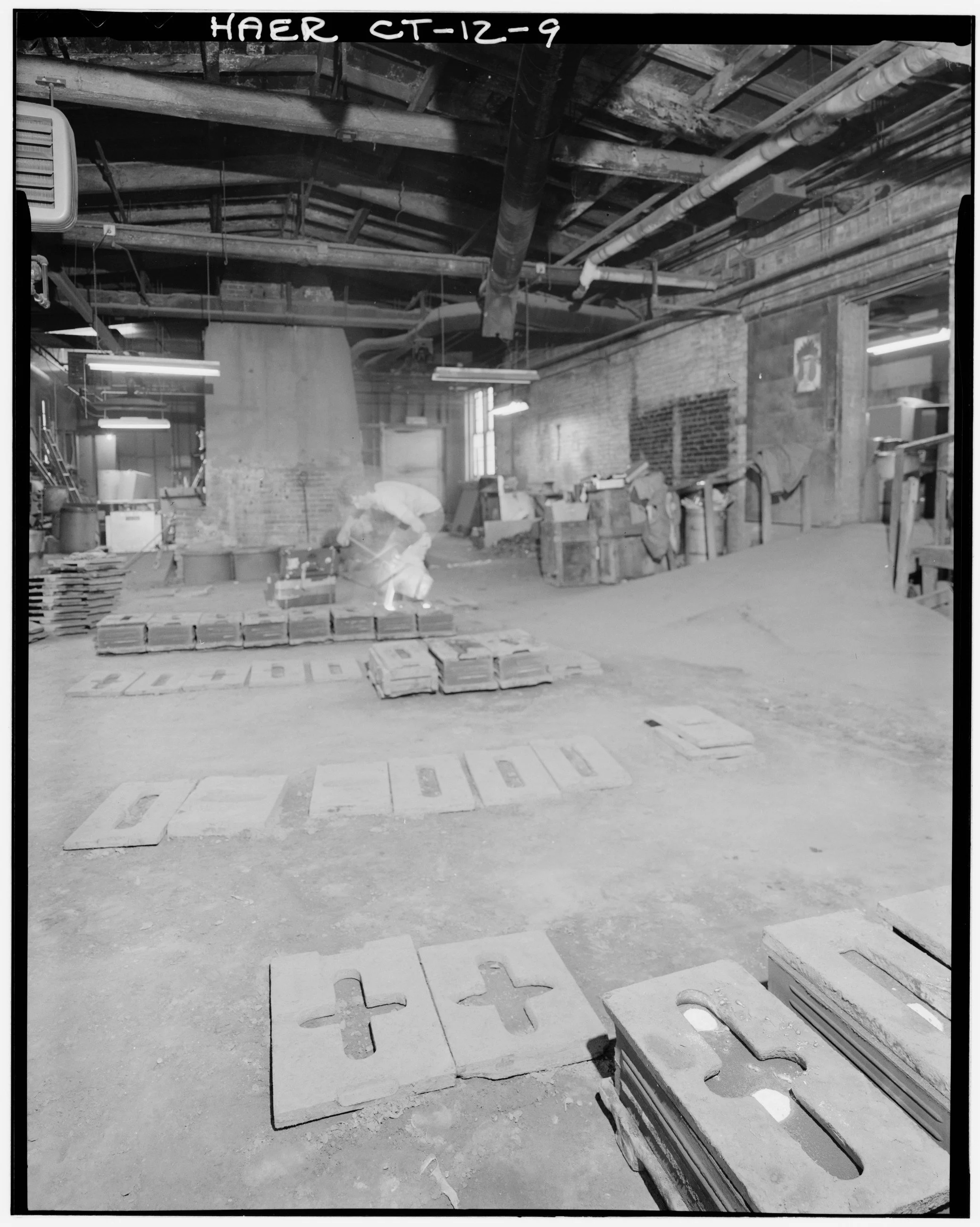
A workman pours molten brass into bell molds at Bevin Brothers Bell Shops on Bevin Court in East Hampton, Middlesex County, Connecticut, photographed in 1979 for the Historic American Engineering Record. HAER called the Bevin plant the best preserved of the East Hampton bell works and the only one still used for its original purpose. The survey notes that Abner and Chauncey Bevin started the business in 1832, and that the family still owned and operated the company when these photographs were made. William Barton had opened a sleigh and handbell shop in East Hampton in 1808, and his workmen and their successors built the town into a cluster of bell shops known as Bell Town. Photo: Jet Lowe, Historic American Engineering Record (HAER CT-12), Public domain, via Library of Congress and Wikimedia Commons
The company made the bell used in the 1946 film, along with an astonishing range of other objects: sleigh bells, shop bells, boxing gongs, Salvation Army bells, and industrial warning bells. The famous movie bell is still part of the company’s identity, even though the factory’s history is much larger than Hollywood.
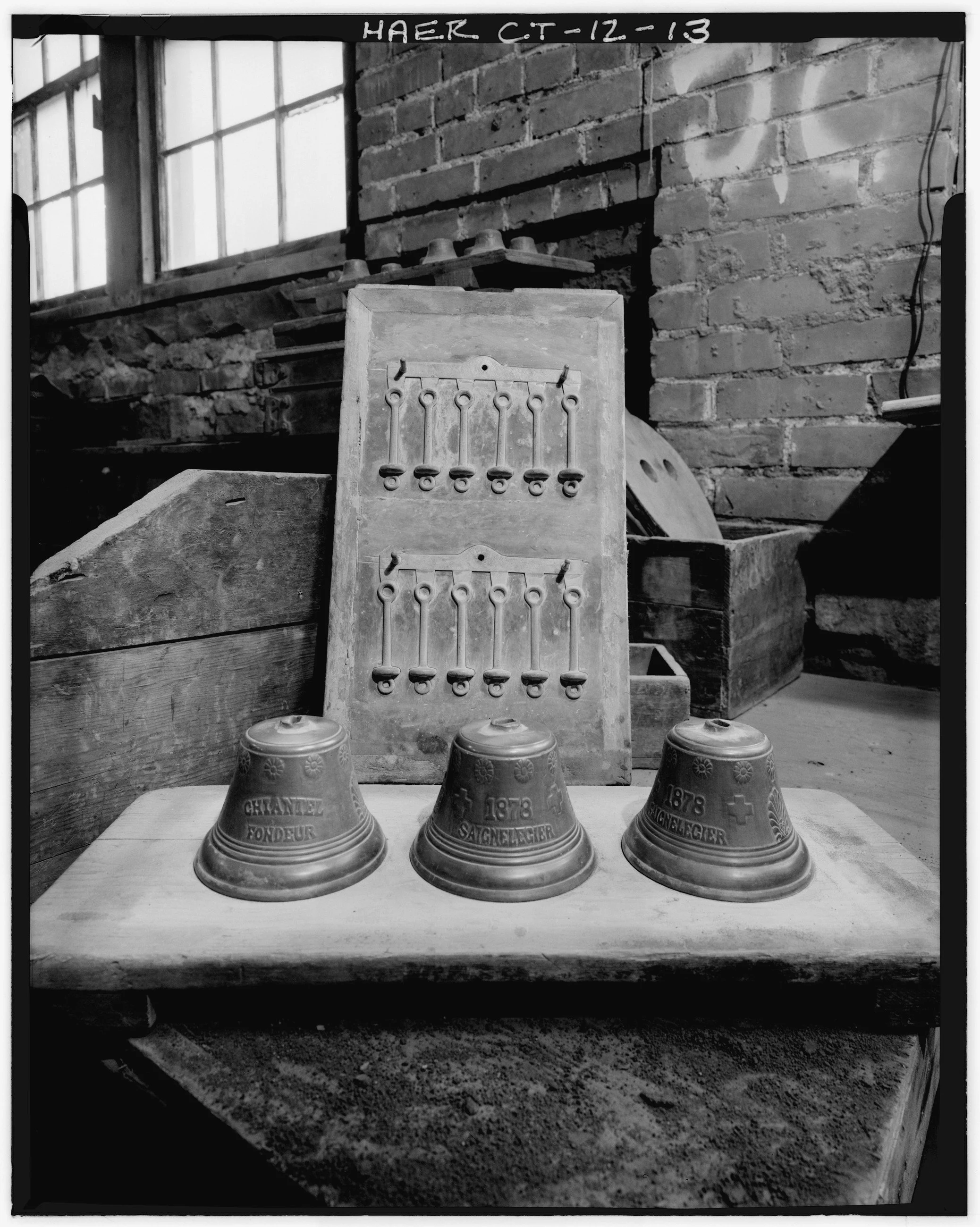
Hand-cast brass bells and knockers photographed at Bevin Brothers in 1979, also for HAER CT-12. The HAER history says the firm continued to cast brass bells in the old nineteenth-century pit furnaces until 1979, while most modern production was stamped from sheet stock. Bevin Brothers today lists sleigh bells, Salvation Army kettle bells, boxing gongs, bicycle bells, and many other types among the products of that long run, and says it remains the only dedicated bell manufacturer left in the United States. Photo: Jet Lowe, Historic American Engineering Record (HAER CT-12), Public domain, via Library of Congress and Wikimedia Commons
In 2012 a lightning-caused fire destroyed the old factory. Bevin rebuilt and kept producing nearby. For a company whose entire product is associated with continuity and familiar sound, that survival fits the business almost too well.
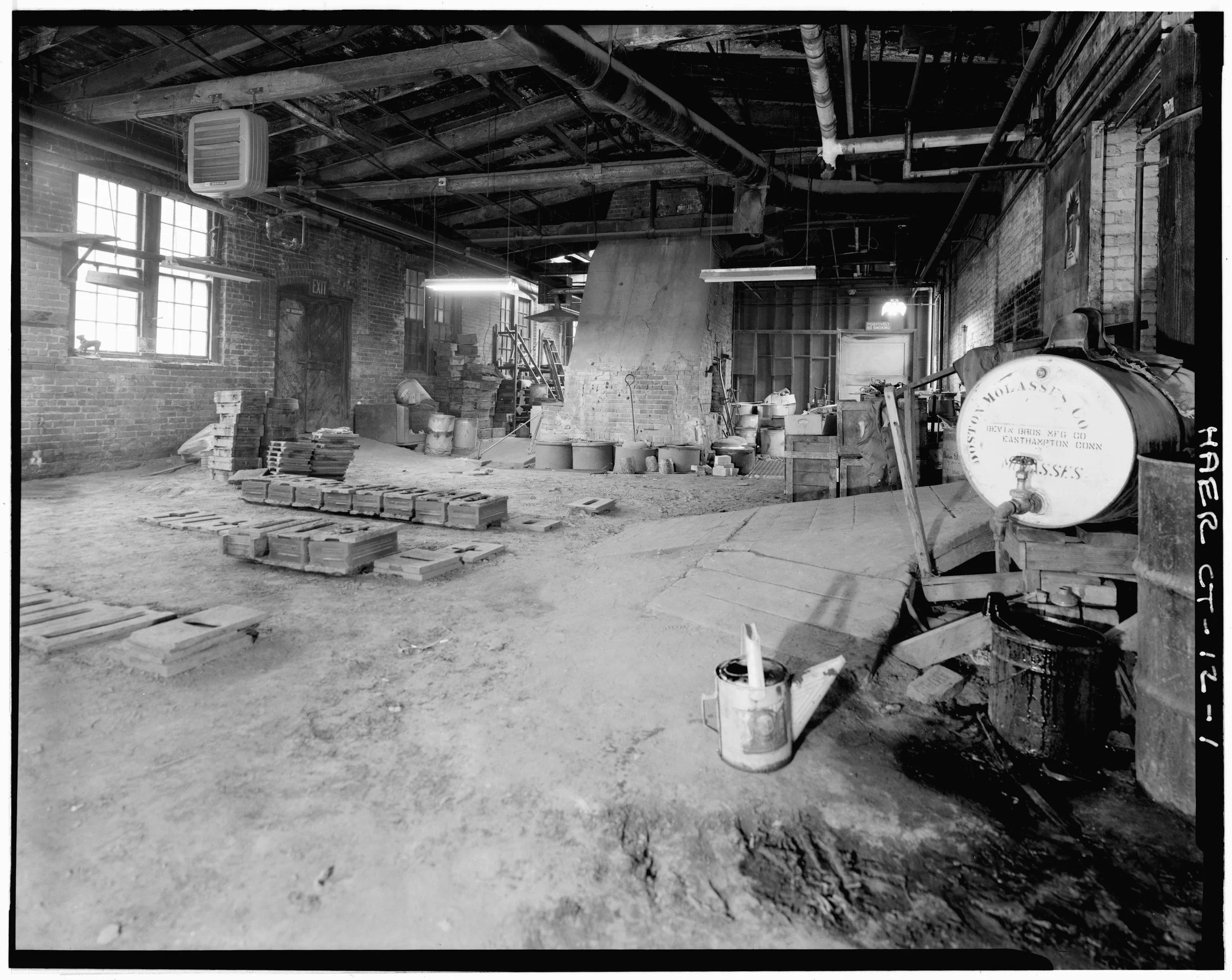
Interior of the Bevin Brothers foundry looking toward the pit furnace, photographed in 1979 for HAER CT-12. The survey documented the Bevin Court plant while it was still casting brass in nineteenth-century pit furnaces. A lightning-caused fire on 27 May 2012 destroyed that historic factory. The company moved about a quarter mile away, resumed production within months, and continues to make bells in East Hampton under sixth-generation family ownership. Photo: Jet Lowe, Historic American Engineering Record (HAER CT-12), Public domain, via Library of Congress and Wikimedia Commons
